
Flowers
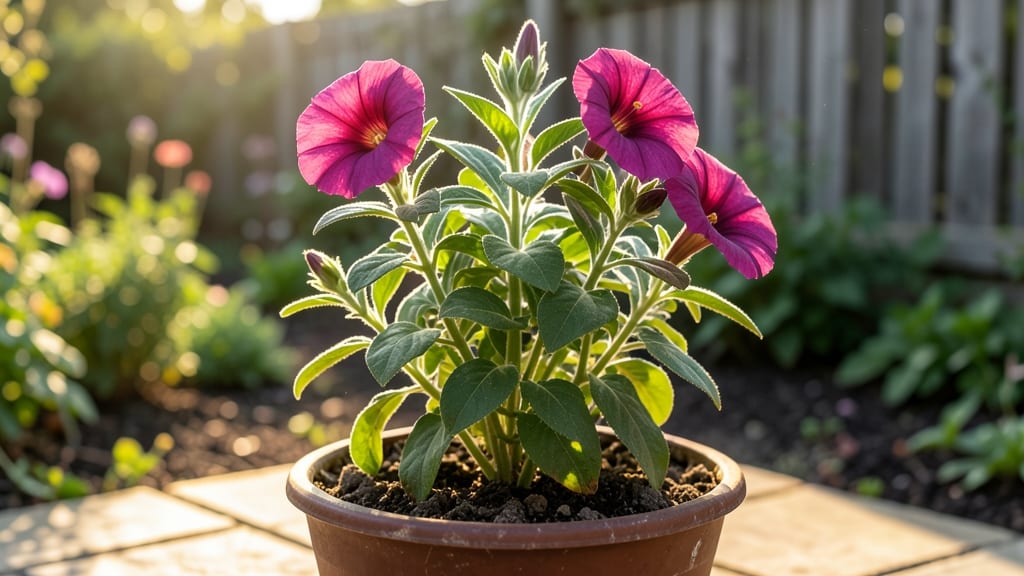
Whether the 4 o’clocks plant is a perennial or annual depends on your climate—it thrives as a perennial in warm zones but acts as an annual in colder regions, dying back each frost before resprouting from its tuberous roots when spring arrives.
The 4 o’clocks plant's behavior boils down to temperature tolerance. 🌡️ In USDA zones 9-11, where winters rarely drop below 30°F, the plant naturally persists year-round, storing energy in its thick, carrot-like roots to fuel spring regrowth.
However, in zones 3-8, frost kills the above-ground foliage, forcing gardeners to treat it as an annual unless they take protective measures like heavy mulching or container overwintering. This adaptability makes it a favorite for both short-term color and long-term gardeners willing to put in extra care.
What’s fascinating is how these plants "remember" their growing patterns. The tuberous roots act like a biological hard drive, storing nutrients and growth signals until conditions improve. This survival strategy explains why some gardeners in marginal climates report their 4 o’clocks returning year after year—even when technically classified as annuals.
The key difference lies in how aggressively you protect those roots during winter.
💡 In This Article
- Climate-Dependent Lifespan of 4 O’Clock Flowers
- Year-Round Care Tips for Prolonged 4 O’Clock Blooms
Climate-dependent lifespan of 4 o’clock flowers
The 4 o’clock plant's lifecycle hinges on its tuberous root system, which stores nutrients and energy like a biological battery. In warm climates (USDA zones 9-11), where winter temperatures rarely dip below 30°F, these roots remain dormant but viable through mild winters.
The plant's above-ground growth dies back during drought or extreme heat, but the roots survive to regenerate when conditions improve—making it a true perennial in these regions. 🌿
In colder climates (USDA zones 3-8), frost becomes the critical factor. When temperatures drop below 28°F, the plant's delicate stems and leaves freeze and die completely. However, the tuberous roots—typically 3-5 inches deep—contain enough stored starch to fuel new growth once spring arrives.
This is why gardeners in cooler areas often see their 4 o’clocks return year after year without replanting, even though they're technically classified as annuals in these zones.
The plant's scientific name, Mirabilis jalapa, hints at its adaptability—"mirabilis" means "wonderful" in Latin, reflecting how it thrives under diverse conditions. The key difference between perennial and annual behavior comes down to root insulation. In warm zones, the roots naturally overwinter in the soil.
In colder zones, they need protection from freezing temperatures to survive. This explains why some gardeners in marginal climates (like zone 8) can coax perennial behavior with proper winter care, while others in colder regions must treat it as an annual.
What most gardeners don't realize is how the plant's flowering cycle is directly tied to its root health. The tuberous roots produce hormones that signal when to sprout in spring, with warmer soil temperatures (55-60°F) acting as the trigger.
This biological clock explains why 4 o’clocks often bloom within 6-8 weeks of spring planting—even from roots that've been dormant for months. The plant's ability to "remember" its growth cycle through these underground storage organs is what makes it such a resilient garden favorite.
Consider this comparison: In Florida (zone 9), a 4 o’clock plant might grow 2-3 feet tall each year with minimal care, while in Minnesota (zone 4), the same plant would need to be replanted annually unless given winter protection.
The difference isn't in the plant itself, but in how its root systems interact with their environment. This climate-dependent behavior is why you'll see 4 o’clocks thriving as perennials in Mediterranean gardens but treated as annuals in New England landscapes. 🌍
The plant's survival strategy reveals nature's clever adaptations. By storing energy underground and timing regrowth with seasonal cues, the 4 o’clock plant maximizes its chances of survival across diverse climates. This dual behavior—perennial in warmth, annual in cold—makes it one of gardening's most fascinating examples of plant adaptability.
Understanding these mechanisms helps gardeners make informed decisions about where and how to grow these vibrant flowers. 🌱