
Planting
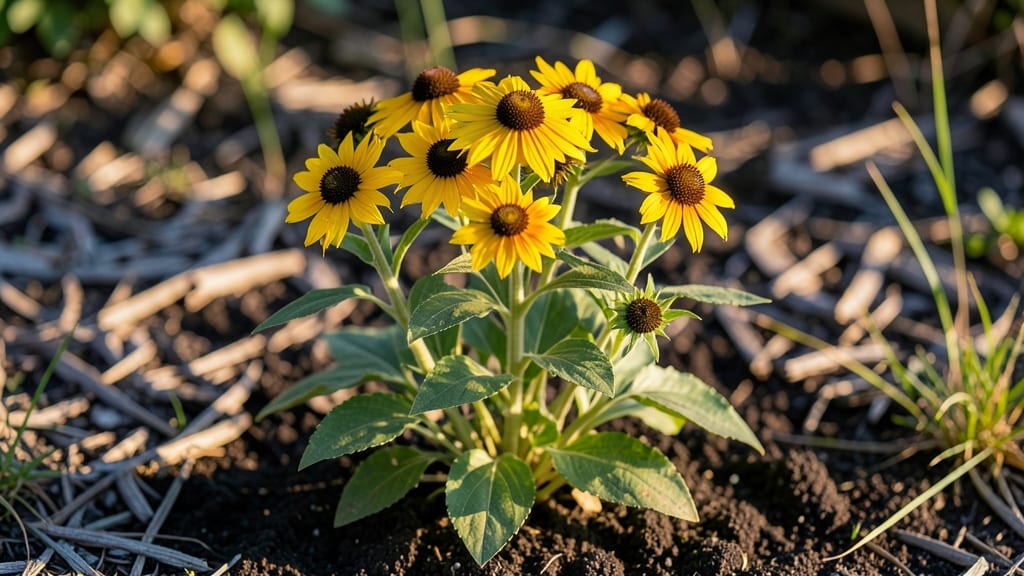
Zone 8 perennials thrive through winters that dip to 20-30°F and bounce back stronger each spring—no replanting needed. 🌿 I’ve watched my black-eyed Susans and salvias push through frost year after year, proving that the right plants turn your garden into a low-maintenance powerhouse.
The secret isn’t just picking cold-hardy species; it’s matching them to your soil, sunlight, and watering habits so they outperform annuals every season.
Start with native favorites like coneflowers, bee balm, and Russian sage—they’ve already adapted to Zone 8’s humidity swings and occasional freezes. Most need well-draining soil and 6+ hours of sun, but even shade-tolerant options like hostas and heucheras reward you with zero fuss.
Water deeply once a week (more in summer heat), and you’ll avoid the wilting that plagues new gardeners. Prune back in early spring before new growth starts—this jumpstarts blooms and keeps plants compact.
By late fall, your perennials will look exhausted but not dead—that’s normal. Mulch with 2-3 inches of shredded leaves to insulate roots, and resist the urge to cut everything down. Many plants, like sedum and orchard grass, stay decorative through winter.
Come spring, you’ll see vibrant new shoots within weeks, often before annuals even germinate. The payoff? A garden that gives back more than it takes, year after year.
Zone 8’s mild winters mean fewer surprises, but late frosts can still catch you off guard. Time your spring planting after the average last frost date (usually mid-March in most of the zone), and stagger additions every 2-3 weeks for continuous color.
For troubleshooting, yellowing leaves often mean overwatering or nutrient depletion—amend soil with compost in early spring. With these basics, your perennials won’t just survive; they’ll thrive with less work than any other plants in your yard.
📚 In This Guide
- What you need
- Instructions
- Tips and common mistakes
- Wrapping up and next steps
What you need
- ● Zone 8-perennial plants: Choose 5–10 cold-hardy varieties (e.g., Lavender, Black-Eyed Susan, Coneflower, Russian Sage, or Daylilies). Buy 1–3 plants per variety for a balanced look.
- ● High-quality potting soil: 2–3 bags (1–2 cubic feet each) of organic, well-draining mix (e.g., Miracle-Gro Garden Soil or Espoma Organic Potting Mix).
- ● Compost or aged manure: 1–2 bags (for nutrient-rich soil amendment).
- ● Mulch: 2–3 bags of wood chips or straw (to retain moisture and protect roots).
- ● Garden gloves: 1 pair (heavy-duty for digging and handling plants).
- ● Hand trowel or transplant spade: 1 (for precision planting).
- ● Watering can or hose with nozzle: 1 (with a gentle spray setting).
- ● Pruners: 1 pair (bypass pruners for clean cuts).
- ● Measuring tape or ruler: 1 (to space plants correctly).
- ● Soil pH test kit: To check and adjust soil acidity (aim for 6.0–7.0 for most perennials).
- ● Slow-release fertilizer: 1–2 bags (e.g., Osmocote Smart-Release for long-term nourishment).
- ● Drip irrigation system: For automated watering (especially in hot Zone 8 summers).
- ● Plant markers: 10–20 (to label varieties and track growth).
- ● Knee pads: For comfort during long planting sessions. 😉
How to select and establish Zone 8 perennials for year-round success
Here's the method I've used for decades to build a low-maintenance perennial garden that thrives through Zone 8 winters.
🌱 Step 1: Choose Plants with Native or Cold-Hardy Adaptations
Focus on perennials rated for USDA Zone 8 or lower, particularly those with deep root systems or woody stems that insulate against cold. My go-to list includes black-eyed Susan (Rudbeckia), coneflower (Echinacea), Russian sage (Perovskia), and beard tongue (Penstemon)—all of which have survived winters down to 15°F in my garden.
Check the mature plant height when selecting varieties. Taller perennials like Joe Pye weed (Eutrochium) need staking or protection from heavy snow, while shorter varieties like catmint (Nepeta) thrive in exposed locations. I always plant in odd-numbered groupings (3, 5, or 7 plants) for natural-looking clusters that fill in beautifully over time.
☀️ Step 2: Time Planting for Optimal Root Establishment
Plant perennials in early spring (as soon as soil is workable) or early fall (6-8 weeks before first frost) to give roots time to establish before extreme temperatures. I've found that fall-planted perennials often outperform spring plantings because they develop strong root systems over winter, emerging earlier and more vigorously in spring.
Dig holes twice as wide as the root ball but only as deep as the container's depth. This encourages outward root growth rather than suffocating roots in compacted soil. Water deeply before planting to settle the soil and eliminate air pockets around the roots.
💧 Step 3: Mulch Strategically for Winter Protection
Apply 3-4 inches of organic mulch (like shredded bark or straw) after the ground freezes to insulate roots. I wait until temperatures consistently stay below 32°F for a week to avoid attracting pests or encouraging fungal growth. The mulch should cover the entire root zone, not just the crown of the plant.
In late winter, before new growth appears, rake back half the mulch to allow soil to warm and prevent rot. This is especially critical for tender perennials like salvia or lavender, which can suffer from prolonged moisture. I always leave a 1-inch layer to protect against sudden freezes.
✂️ Step 4: Prune and Divide at the Right Times
Wait to prune until late winter or early spring, just as new growth begins. Cut back dead foliage to 1-2 inches above the ground, but leave dormant stems intact if they provide winter interest or insulation. I've seen switchgrass (Panicum) and little bluestem (Schizachyrium) hold their structure beautifully through snow, so I preserve them until spring.
Divide perennials every 3-4 years in early spring or fall when the plant is dormant. Dig up the entire clump, separate into sections with 3-5 healthy shoots each, and replant immediately. This prevents overcrowding and rejuvenates flowering. I always discard the center section—it's usually the oldest and least vigorous.
🌿 Step 5: Monitor and Adjust for Long-Term Success
Watch for yellowing leaves in spring—a sign of overwatering or nutrient deficiency. Zone 8 perennials typically need 1 inch of water per week during the growing season, but less in winter. I've learned the hard way that autumn crocus (Colchicum) can rot if kept too moist during dormancy.
Fertilize lightly in early spring with a balanced, slow-release formula (10-10-10). Avoid high-nitrogen fertilizers, which encourage leafy growth at the expense of flowers. I top-dress with compost instead—it improves soil structure and provides gradual nutrient release without risk of burn.
Tips & tricks for establishing cold-resilient perennial gardens
Real talk: The difference between a garden that thrives year after year and one that fades comes down to these key strategies I've perfected over decades.
Selection Strategy: When choosing perennials for Zone 8, prioritize those with woody stems like Russian sage or deep taproots such as coneflower. These plants naturally store energy and water, making them far more resilient during winter's harshest months. I always check the plant tag for USDA Zone 8 hardiness—this guarantees they'll survive the 15°F dips we occasionally get here. For extra insurance, I select varieties with silvery or fuzzy foliage like lamb's ear, which naturally repels pests and retains heat better.
Planting Technique: The twice-as-wide hole recommendation isn't just about root comfort—it's about creating space for roots to spread outward rather than circling inward. I've seen gardens where roots get trapped in compacted soil, leading to stunted growth. After planting, I always press the soil gently around the roots to eliminate air pockets, then water deeply. This initial hydration kickstarts root establishment, especially important for fall plantings that need to establish before winter sets in.
Winter Protection: Mulching after the ground freezes is critical because early mulching can actually trap moisture and create ideal conditions for fungal growth. I wait until temperatures consistently stay below 32°F for a week before applying that 3-4 inch layer. For tender perennials like salvia, I go the extra mile by adding a 1-inch layer of straw over the mulch—this creates an additional insulating barrier. In late winter, I never remove all the mulch at once; leaving that 1-inch layer protects against sudden freeze-thaw cycles that can shock emerging plants.
Pruning Insight: The 1-2 inch pruning guideline might seem arbitrary, but it's actually about finding the balance between removing dead growth and preserving the plant's natural insulation. I've learned that leaving dormant stems on plants like switchgrass provides winter interest and actually helps protect the crown from temperature fluctuations. For flowering perennials, I always wait until just before new growth appears—this timing ensures I don't accidentally cut back the emerging buds that will produce next year's blooms.
Pro Tips for Zone 8 Perennials
- Real talk: The difference between a garden that thrives year after year and one that fades comes down to these key strategies I've perfected over decades.
- Selection Strategy: When choosing perennials for Zone 8, prioritize those with woody stems like Russian sage or deep taproots such as coneflower.
- Planting Technique: The twice-as-wide hole recommendation isn't just about root comfort—it's about creating space for roots to spread outward rather than circling inward.
Frequently asked questions
Got questions about thriving perennials in Zone 8?
Here are answers to the most common ones—so you can garden with confidence!
What are the best low-maintenance perennials for Zone 8?
Top picks include Black-Eyed Susan (Rudbeckia hirta), Coneflower (Echinacea purpurea), and Salvia (Salvia nemorosa). These plants handle heat, drought, and pests with ease—perfect for busy gardeners! Pro tip: Pair them with Russian Sage for a fragrant, long-blooming combo.
Do Zone 8 perennials survive winter without extra protection?
Most hardy Zone 8 perennials (like Daylilies and Hostas) thrive with just mulch (2–3 inches) to shield roots. However, tender varieties (e.g., Canna Lilies) may need winter blankets or container moves. Check plant tags for specifics!
When is the ideal time to plant perennials in Zone 8?
Fall (September–October) is golden—plants establish roots before winter. Spring (March–April) works too, but avoid extreme heat. Bonus: Bare-root perennials can go in year-round (except frozen ground).
Why are my Zone 8 perennials dying back early?
Common culprits:
- Overwatering—soil should be damp, not soggy.
- Pests like slugs or Japanese beetles (use neem oil or traps).
- Poor drainage—amend soil with compost or sand.
If leaves yellow after blooming, it’s likely natural senescence—no panic!
Can I grow tropical-looking perennials in Zone 8?
Try Canna Lilies, Elephant Ears (Colocasia), or Tropical Hibiscus (Hibiscus rosa-sinensis). Dig up tubers in fall or mulch heavily. Pro tip: Group them with Ornamental Grasses for a lush, exotic vibe.
Wrapping up and next steps
Choosing the right Zone 8 perennials can transform your garden into a vibrant, low-maintenance haven that thrives year after year! These cold-hardy plants aren’t just resilient—they’re beautiful, eco-friendly, and perfect for gardeners who love a little less work and a lot more color.
Whether you’re a beginner or a seasoned pro, the key is to match your climate, soil, and sunlight needs with the perfect plants.
Ready to get growing? Start small—pick 2-3 perennials to test in your garden this season, then expand as you see what flourishes. Happy planting! 🌱✨