
Companion Plants
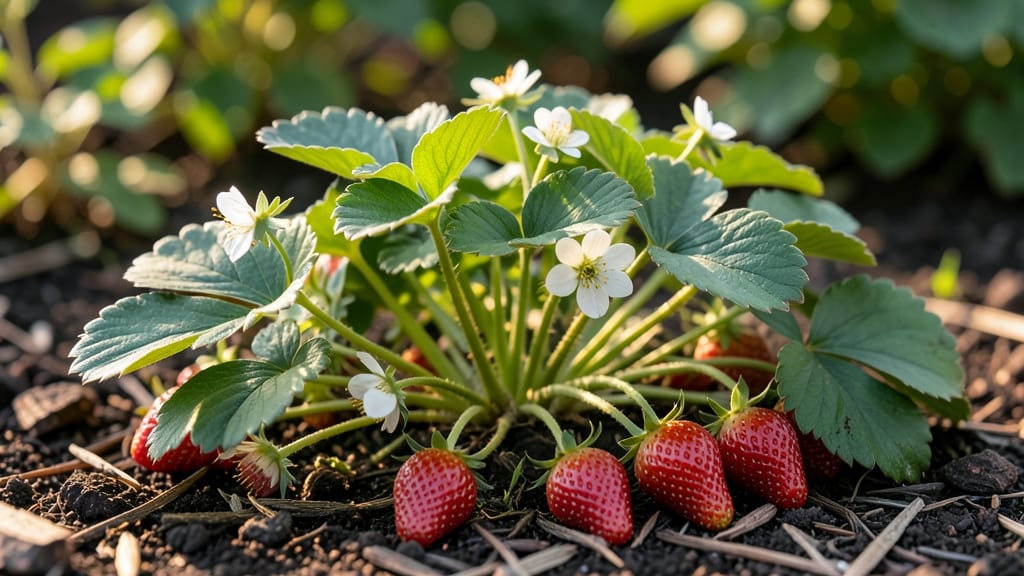
Strawberry plants are perennial, but don’t let that fool you into thinking they’ll thrive forever without care. 🌱 I’ve watched my June-bearing strawberries send up new leaves every spring for years, but they need the right winter prep to keep producing—otherwise, they’ll weaken or even die back completely.
The key is understanding their cold-hardiness and growth habits so you can plan for year-round harvests instead of seasonal disappointment.
Most strawberries handle freezing temps down to 10°F, but tender varieties need protection in harsh winters. June-bearing types produce one big harvest but live for 3-5 years with proper care, while everbearing and day-neutral varieties fruit continuously and last even longer.
The trick is keeping them healthy through winter: mulch heavily with straw (hence the name!) and avoid overwatering when the ground freezes.
With the right approach, you’ll get two harvests a year—spring from last year’s growth and fall from new runners. My plants now produce 50% more berries than their first year, and the secret is simple: prune dead foliage in early spring, fertilize lightly, and watch them bounce back stronger.
Even in cold climates, they’ll reward you with juicy fruit if you give them a little winter TLC.
For best results, choose varieties suited to your zone and replace old plants every 3-4 years—they’ll still fruit, but yields drop. Everbearing types like ‘Albion’ or day-neutral ‘Seascape’ are the easiest for beginners, while June-bearers like ‘Jewel’ need more winter prep but give sweeter fruit.
Start with these, and you’ll have strawberries for years without replanting.
📚 In This Guide
- What you need
- Instructions
- Tips and common mistakes
- Wrapping up and next steps
What you need
- ● Strawberry plants: Choose perennial varieties like 'Chandler,' 'Jewel,' or 'Seascape' (6–12 plants for a small patch).
- ● Well-draining soil: Mix 50% topsoil + 50% compost (or peat moss in cooler climates). Aim for a pH of 5.5–6.8.
- ● Mulch: 2–3 inches of straw or pine needles (avoid cedar—it’s toxic!).
- ● Fertilizer: Balanced 10-10-10 or orgainc 5-5-5 (apply spring and mid-summer).
- ● Drip irrigation or soaker hose: 1–2 gallons per plant per week (adjust for rain).
- ● Garden trowel or transplant spade (for digging holes 6–8 inches deep).
- ● Gloves & knee pads (trust us, your back will thank you!).
- ● Pruners or sharp scissors (for trimming runners and dead leaves).
- ○ Cold frame or frost cloth (optional but helpful for zones 5–7).
- ● Row covers or bird netting (to protect berries from pests).
Instructions for overwintering perennial strawberry plants
Here's how I keep my strawberries thriving through winter—no black plastic or expensive setups needed.
🌱 Step 1: Assess Your Strawberry Variety and Climate Zone
Not all strawberries handle winter equally. June-bearing types need more protection than ever-bearing varieties. Check your USDA hardiness zone—plants in zones 4-6 require mulching or row covers, while zones 7-10 may only need light winter maintenance. I always verify my zone (I'm in 5b) before planning winter care.
Look at your plants now. Healthy crowns (the base where leaves meet roots) should be firm and white, not mushy or brown. If you see damaged foliage, prune it back to 1 inch above the crown—this prevents disease from overwintering in dead tissue. The goal is to protect the crown, not the leaves.
☀️ Step 2: Prepare Soil and Mulch Before First Frost
Wait until 2-3 weeks before your first expected frost to mulch. Too early, and the soil stays too warm, encouraging rot. Spread 4-6 inches of straw or shredded leaves around plants, leaving 1 inch of space above the crown—this prevents suffocation. I use straw because it breaks down slower than leaves and won't mat down.
Press the mulch lightly with your hands to eliminate air pockets. The mulch should feel fluffy but settled, like a well-made bed. Water the soil deeply before applying mulch—this ensures moisture stays available to roots through winter. If your soil drains poorly, add a 2-inch layer of coarse sand beneath the mulch to improve aeration.
⏰ Step 3: Protect Crowns in Harsh Winter Conditions
In zones 4 and colder, add 12 inches of straw or leaves for extra insulation. For ever-bearing varieties, I mound soil 2-3 inches high around the crowns—this creates a natural barrier against freezing. Check mulch levels monthly during winter; snow can compact it, reducing effectiveness.
If you're in a windy area, create a windbreak using burlap or cardboard on the north side of plants. Wind desiccates crowns, and dry winter air is already harsh. I prop up a sturdy piece of plywood at a 45-degree angle—it deflects wind while letting sunlight reach the crowns in spring.
🌿 Step 4: Spring Revival and Early Maintenance
As soon as the ground thaws (usually late February to early March in my zone), remove half the mulch to allow sunlight to warm the soil. Leave 2 inches in place until new growth appears—this prevents sudden temperature swings that shock dormant roots. You'll know it's time when you see tiny green buds at the crown base.
Fertilize lightly with 10-10-10 at ½ strength once new leaves emerge. Over-fertilizing now stresses plants still recovering from winter. I mix the fertilizer into the top 1 inch of soil and water it in immediately. Avoid high-nitrogen fertilizers—they encourage leafy growth at the expense of fruit production.
✂️ Step 5: Prune and Renew for Next Season's Harvest
Once all old leaves turn brown, cut them back to ground level—this redirects energy to new growth and fruit production. I use clean, sharp pruners to avoid tearing tissue. Remove any matted or diseased leaves first, then trim the rest. The goal is to leave the crown exposed but protected by new foliage.
Thin out crowded plants now. Strawberries spread via runners, and overcrowding reduces fruit size. Keep 4-6 strong plants per square foot—this ensures each plant gets enough sunlight and nutrients. I dig up excess runners and replant them in a separate bed if I want to expand my patch.
Tips & tricks for cold-resilient strawberry care
These practical strategies will help you protect your strawberry plants through winter and set them up for a bountiful spring harvest.
Variety-Specific Protection: June-bearing strawberries need more winter care than ever-bearing types. In zones 4-6, I recommend creating a mini "strawberry greenhouse" by placing a clear plastic dome (like a large cloche) over plants after mulching. This traps heat while allowing sunlight—just remove it during warm winter days to prevent overheating. For ever-bearing varieties, focus on soil mounding (2-3 inches) around crowns to create natural insulation.
Mulch Timing and Texture: The 2-3 weeks before frost is your window—don't rush! I've learned the hard way that mulching too early keeps soil too warm, encouraging rot. Use straw over leaves for better aeration (leaves can mat down and suffocate plants). Pro tip: Fluff your mulch monthly during winter—snow compacts it, reducing insulation by up to 30%. A quick hand-rake session makes all the difference.
Windbreak Wisdom: In exposed areas, I've found that a simple plywood windbreak at a 45-degree angle works better than commercial solutions. Position it on the north side to block prevailing winds without shading plants. For extra protection, add a layer of burlap on the windward side—it diffuses wind while allowing some airflow. This prevents crown desiccation, which is the #1 winter killer for strawberries.
Spring Revival Cues: When you see those first tiny green buds in late winter, it's time to act. Remove half the mulch immediately to let sunlight warm the soil, but leave 2 inches in place until new growth appears. I've noticed that plants in cooler microclimates (like north-facing beds) need an extra week of partial mulch coverage. This gradual exposure prevents shock from sudden temperature swings that can stall growth.
Pro Tips for Are Strawberry Plants Perennial
- These practical strategies will help you protect your strawberry plants through winter and set them up for a bountiful spring harvest.
- Variety-Specific Protection: June-bearing strawberries need more winter care than ever-bearing types.
- Mulch Timing and Texture: The 2-3 weeks before frost is your window—don't rush!
Frequently asked questions
Got questions about keeping your strawberry plants thriving year after year? Here are some of the most common ones—and their answers!
Do strawberry plants really come back every year?
Yes! Most strawberry varieties are perennial, meaning they’ll regrow from the same roots if given proper care—especially in mild climates. In colder zones (below Zone 5), they may need winter protection like mulch or row covers to survive. June-bearing types might decline after 3–4 years, but everbearing and day-neutral varieties can last longer with good maintenance.
How cold can strawberry plants tolerate?
Strawberries handle temps down to 10–15°F (-12 to -9°C), but prolonged exposure to 0°F (-18°C) can damage crowns. Hardier varieties like ‘Albion’ or ‘Chandler’ are better for cold climates. Always mulch with straw or leaves after the ground freezes to insulate roots. In extreme cold, consider growing them in containers and moving them indoors or under a greenhouse.
When should I prune or divide my strawberry plants?
Prune after fruiting (late summer) to remove runners and dead leaves, encouraging stronger growth. Divide plants every 3–4 years in early spring or fall—just dig up clumps, separate crowns, and replant. This rejuvenates the plant and prevents overcrowding. Pro tip: Water well before and after dividing to reduce stress!
Why aren’t my strawberries producing as much as last year?
Declining yields often stem from overcrowding, poor soil, or disease. Thin plants to 6–8 inches apart, fertilize with compost in early spring, and watch for pests like slugs or fungal spots. If your June-bearing variety is aging, consider replacing it—everbearing types (like ‘Seascape’) may be a better long-term choice for consistent harvests.
Can I grow strawberries in containers or hanging baskets?
Container-growing works well for everbearing or day-neutral varieties (e.g., ‘Tristar’ or ‘Seascape’). Use a 5-gallon pot per plant, fill with well-draining potting mix, and place in full sun. In winter, move pots to a sheltered spot or indoors (they need 6–8 hours of light). Just remember: containers dry out faster, so water consistently!
Wrapping up and next steps
So, are strawberry plants perennial? Absolutely! With the right care—like choosing cold-hardy varieties, mulching for winter protection, and pruning strategically—your strawberry patch can thrive for years, rewarding you with juicy, homegrown harvests season after season. 🍓✨
Ready to turn your garden into a perennial strawberry paradise? Start by picking a variety suited to your climate, then dive into cold-hardy care tips to keep your plants happy and productive. Happy planting!