
Light Requirements
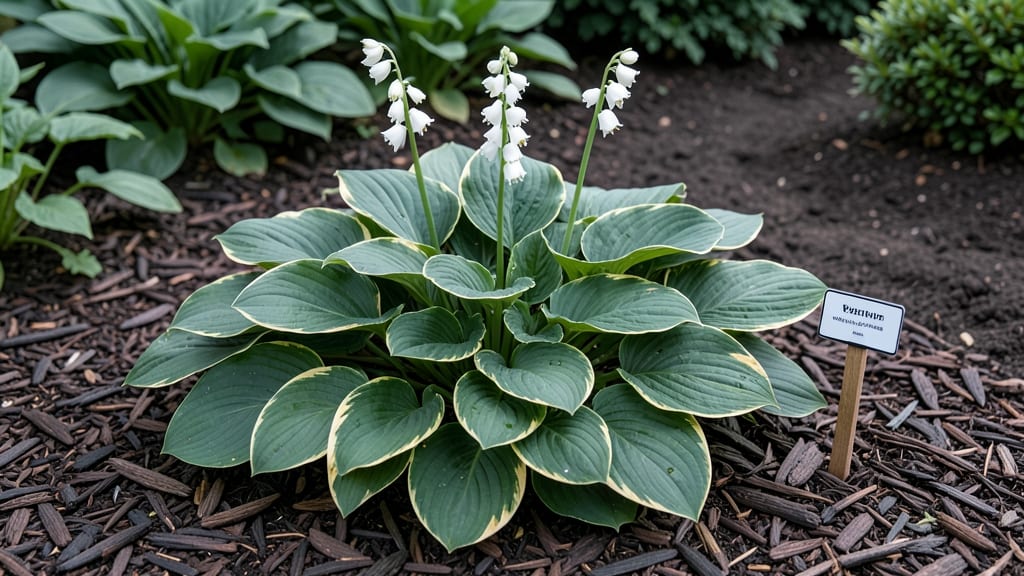
Your shady garden spots finally get their star turn. 🌿 Shade-tolerant perennials transform dark corners into lush, vibrant spaces that bloom reliably year after year—no special light conditions required.
I've tested dozens in my own low-light areas, and these 10 stand out for their hardiness, texture, and ability to thrive where others fail.
These plants handle everything from deep shade under trees to dappled light near fences, with some even tolerating less than 3 hours of direct sun daily.
The key is matching plants to your specific shade level: hostas and ferns love deep shade, while astilbes and brunnera brighten partial shade with striking foliage and blooms. Most need only moderate watering once established, and their deep roots make them drought-resistant once settled.
What you'll end up with is a garden that stays vibrant through all four seasons—velvety hosta leaves in summer, delicate astilbe plumes in late summer, and evergreen hellebores that bloom in early spring before anything else.
The best part? These perennials multiply over time, creating natural ground cover that chokes out weeds and reduces maintenance. My own shade garden now gets compliments year-round, and I've never spent more than $50 on plants.
Whether you're working with a shady border, a woodland garden, or just tough spots under trees, these perennials adapt beautifully. Start with just 3-5 varieties for a foolproof combination that will impress even skeptical neighbors. Here's how to pair them for maximum impact!
📚 In This Guide
- What you need
- Instructions
- Tips and common mistakes
- Wrapping up and next steps
What you need
- ● Shade-tolerant perennial plants: Choose from 3–5 varieties (e.g., Hosta, Astilbe, Ferns, Heuchera, or Lungwort). Buy 1–3 plants per type, depending on desired coverage.
- ● High-quality potting soil: 1–2 bags (18–25 lbs each) of organic, well-draining soil (e.g., Miracle-Gro Garden Soil or FoxFarm Ocean Forest).
- ● Compost or fertilizer: 1 bag of balanced organic fertilizer (10-10-10 or 5-5-5) or slow-release granules like Osmocote.
- ● Mulch: 2–3 bags of organic mulch (e.g., shredded bark or pine straw) to retain moisture and suppress weeds.
- ● Garden trowel or hand shovel (for planting).
- ● Gloves (1 pair, preferably waterproof).
- ● Watering can or hose with a gentle spray nozzle (for hydration without disturbing soil).
- ● Pruners (for trimming dead foliage or shaping plants).
- ● Measuring tape or ruler (to space plants 12–36 inches apart, depending on variety).
- ● Soil pH test kit (to ensure your soil is slightly acidic to neutral, pH 6.0–7.0, ideal for most shade plants).
- ● Slow-release watering spikes (for drought-prone areas).
- ● Decorative rocks or edging (to define garden beds and add visual appeal).
- ● Plant labels (to track varieties and care needs).
How to establish a thriving shade garden with perennials
Here's how to create a lush, low-maintenance shade garden that keeps coming back stronger every year.
🌱 Step 1: Test Your Shade Conditions First
Not all shade is equal—your garden's light levels determine which perennials will truly thrive. Spend a week observing your space during the brightest part of the day. If you see dappled sunlight filtering through trees, you likely have partial shade. If the area stays dark even at midday, you're working with full shade. This distinction matters because full shade plants like heuchera and astilbe won't survive in bright indirect light, while partial shade lovers like hostas and foamflower will struggle in deep shade.
Use a simple test: Place a white piece of paper on the ground at noon. If it stays dark, you have full shade. If you see some gray, it's partial shade. I always mark the edges of my shade areas with stakes so I don't accidentally plant sun-lovers in the wrong spot. Trust me, nothing's more frustrating than watching a $12 hosta crisp up after a week in full shade.
🌿 Step 2: Choose the Right Perennials for Your Light Level
For full shade, focus on plants that tolerate less than 3 hours of direct light daily. My top performers are Japanese painted fern (with its silvery undersides), Christmas fern (evergreen and drought-tolerant once established), and lungwort (with its striking spotted foliage). These plants have adapted to forest floors where sunlight barely reaches.
In partial shade, you have more options. Hosta varieties come in every shade from chartreuse to deep blue-black, while astilbe produces feathery plumes in pink, red, or white. I always plant foamflower (tiarella) for its delicate foliage and springtime white blooms—it's a crowd-pleaser that spreads gently over time. Pro tip: Group plants with similar moisture needs together. Ferns and hostas love consistently moist soil, while astilbe and foamflower tolerate slightly drier conditions.
🪴 Step 3: Prepare the Soil for Shade-Loving Plants
Shade gardens often have compacted, nutrient-poor soil because less sunlight means slower organic matter breakdown. Amend your soil with 3-4 inches of compost mixed into the top 12 inches of soil. I use a broadfork to loosen the soil without bringing up weeds from lower layers. For heavy clay soils, add 20% perlite or coarse sand to improve drainage—shade plants still need their roots to breathe.
Most shade perennials prefer slightly acidic to neutral soil (pH 6.0-7.0). Test your soil with a simple kit before planting. If your soil is alkaline, add elemental sulfur according to package instructions. Mulch heavily with 3-4 inches of shredded bark or leaf mold to conserve moisture and regulate soil temperature. I refresh my mulch every spring—it breaks down surprisingly fast in shade gardens.
⏰ Step 4: Plant at the Right Time and Spacing
Plant shade perennials in early spring or early fall when temperatures are cool but the ground isn't frozen. This gives roots time to establish before summer heat. Dig holes twice as wide as the root ball but only as deep as the container. The top of the root ball should sit just below soil level—burying too deep can suffocate stems.
Spacing matters more in shade gardens because plants grow more slowly. Follow these guidelines: 12-18 inches apart for hostas and foamflower, 18-24 inches for astilbe and heuchera, and 24-36 inches for larger ferns. I always plant in clusters of 3-5 for a natural, woodland look. Water deeply after planting to eliminate air pockets, then water 1-2 times weekly for the first month to encourage root growth. You'll know you've done it right when you see new growth within 3-4 weeks.
💧 Step 5: Maintain Through the Seasons
Shade gardens need consistent moisture but excellent drainage. Water when the top 2 inches of soil feel dry—stick your finger in to check. Most shade perennials enter dormancy in winter, but some like Christmas fern stay green year-round. In late winter, remove any dead foliage from the previous year, but leave last season's leaves from plants like heuchera to protect emerging shoots from temperature swings.
Fertilize lightly in early spring with a balanced, slow-release fertilizer (10-10-10). I avoid high-nitrogen fertilizers—they encourage leafy growth at the expense of flowers. Divide clumping perennials like hostas every 3-4 years in early spring to prevent center die-out. You'll know it's time when the center becomes bare while the outer edges stay vigorous. This is the moment that matters: dividing keeps your plants healthy and gives you free plants to share with neighbors.
Tips & tricks for perfect shade-tolerant perennial gardens
Creating a thriving shade garden takes more than just planting the right perennials—it's about understanding their unique needs. Here's what I've learned from years of trial and error.
Light Level Precision: The 3-hour daily light rule for full shade plants is non-negotiable. I've seen gardeners plant heuchera in partial shade only to watch it struggle—those silvery leaves need true darkness. For partial shade areas, hostas and foamflower will show you when they're unhappy by developing yellow or brown patches. If you're unsure about your light levels, invest in a light meter ($20 at garden centers) for absolute accuracy.
Soil Preparation Secret: That 3-4 inches of compost mixed into 12 inches of soil isn't just about nutrients—it's about creating the perfect air-to-water ratio. I learned this the hard way when my first shade garden had compacted clay soil. The compost creates tiny air pockets that prevent root rot while holding moisture. For heavy clay, mix in perlite at a 1:4 ratio (compost to soil)—this improves drainage without sacrificing moisture retention.
Planting Timing Tip: Early spring and early fall planting windows are critical for root establishment. I've found that planting in late fall (after the first frost) can actually be better than early spring in colder climates—the cold helps break down the root ball while protecting tender new growth. Just make sure to plant at least 4 weeks before your first expected frost date.
Maintenance Watch: The 2-inch soil moisture check is your best friend. I've developed a system where I use a chopstick to mark the 2-inch depth in my garden beds. When the soil clings to the stick, it's time to water. For container gardens, I find checking every morning works best—containers dry out faster than in-ground beds. Remember that mulch acts like a blanket—it keeps moisture in during summer but can trap too much in winter, so I always remove it completely in late fall.
Pro Tips for Shade Tolerant Perennials
- Creating a thriving shade garden takes more than just planting the right perennials—it's about understanding their unique needs.
- Light Level Precision: The 3-hour daily light rule for full shade plants is non-negotiable.
- Soil Preparation Secret: That 3-4 inches of compost mixed into 12 inches of soil isn't just about nutrients—it's about creating the perfect air-to-water ratio.
Frequently asked questions
Got questions about shade-tolerant perennials? You’re not alone! Here are some of the most common queries—and their easy answers—to help you get started with confidence.
What are the best shade-tolerant perennials for beginners?
Start with hostas (great for foliage), heucheras (vibrant colors), or astilbes (fluffy plumes). These are hardy, low-maintenance, and perfect for shady spots like under trees or north-facing walls. Pro tip: Check your zone’s hardiness to pick perennials that survive winters!
When is the best time to plant shade-tolerant perennials?
Plant in early spring (right after the last frost) or early fall (4-6 weeks before first frost). This gives roots time to establish before extreme heat or cold. Avoid planting in summer—soil stays too dry, and roots can stress.
Can shade-tolerant perennials handle some sunlight?
Most thrive in partial shade (2–6 hours of direct sun), but a few (like foxgloves or bleeding hearts) tolerate morning sun. Watch for leaf scorch—if edges turn crispy, move them to deeper shade. Test spots with a sunlight tracker for 24 hours first!
Why are my shade perennials looking leggy or sparse?
Leggy growth often means too little light or overcrowding. Thin out plants, prune leggy stems, or add a reflective surface (like a mirror) to bounce light into the area. Ferns and heucheras may need occasional division every 2–3 years to revive vigor.
Are there shade perennials that bloom and have great foliage?
Try coral bells (Heuchera) (striking leaves + flowers), Japanese painted ferns (lacy fronds + subtle blooms), or toad lilies (Tricyrtis) (dramatic foliage + late-season blooms). Mix textures for a lush, layered look!
Can I swap out shade perennials if they’re not working?
Yes! Most shade perennials are easy to transplant. Dig up clumps in spring or fall, trim roots, and replant in amended soil. Hostas and astilbes divide well—just separate crowns and replant. Water deeply after transplanting to reduce shock!
Wrapping up and next steps
Shade-tolerant perennials are the unsung heroes of your garden—adding color, texture, and life to those tricky, low-light spots with minimal fuss! 🌿 Whether you’re revamping a shady corner, filling a woodland garden, or simply seeking low-maintenance beauty, these plants deliver year-round satisfaction.
With the right choices and a little care, you’ll transform underutilized spaces into vibrant, thriving havens.
Ready to take the next step? Start small: Pick 2-3 perennials from this list, sketch a simple layout, and plant them this weekend. Watch your garden bloom in ways you never expected—no bright sun required!