
Plants
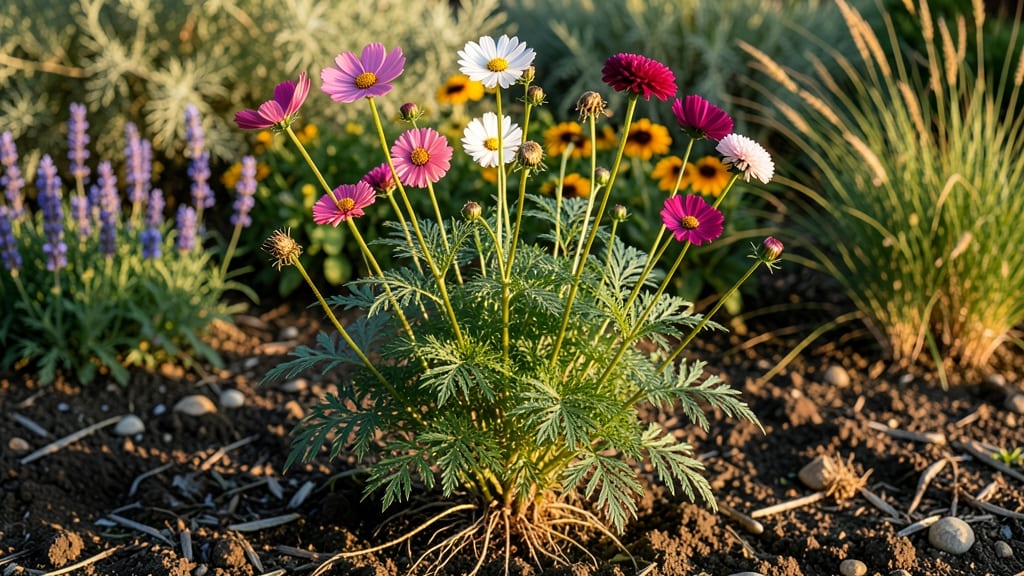
Are cosmos perennials?—these airy blooms return with surprising resilience. 🌻 I've watched them self-seed back for years, even in colder zones, proving they're far more persistent than their annual reputation suggests. The key lies in their lifecycle: while most gardeners treat them as annuals, they behave like perennials in many climates, especially when given the right conditions.
Here's the secret: cosmos thrive in zones 3-11, where they'll often reseed themselves reliably. In colder regions, they'll die back to the ground but pop up again from seed the following spring.
Even in warmer zones, they self-sow aggressively, creating natural drifts that multiply each year without any effort from you.
What you'll end up with is a garden that fills itself in—no replanting needed. The plants grow taller and bushier each season, with stronger stems and more abundant blooms. By late summer, you'll have clouds of pink, white, or magenta flowers that attract pollinators all season long.
For gardeners in colder climates, a simple trick ensures they return: leave the seed heads until frost, then mulch lightly over winter. In warmer zones, they'll spread on their own, creating a low-maintenance perennial display. Either way, you're getting free plants year after year!
📚 In This Guide
- What you need
- Instructions
- Tips and common mistakes
- Wrapping up and next steps
What you need
- ● Cosmos perennial plants: 3–5 nursery-grown plants (for immediate blooms)
- ○ OR seeds (if starting from scratch—see optional tips)
- ● Well-draining soil: Mix 2 parts garden soil + 1 part compost (or use pre-mixed perennial-friendly potting soil).
- ● Organic fertilizer: 5-10-5 or balanced granular fertilizer (follow package rates for cold-hardy perennials).
- ● Mulch: 2–3 inches of straw or shredded leaves (to protect roots in winter).
- ● Garden trowel or transplant spade
- ● Pruning shears (for deadheading and shaping)
- ● Gloves (to protect hands from thorns on some varieties)
- ● Watering can or hose with a gentle spray nozzle
- ● Measuring tape (for spacing plants 12–18 inches apart)
- ● Sunlight: Full sun (6+ hours daily) for optimal blooms.
- ● Climate: USDA Zones 3–10 (cosmos perennials are cold-hardy but may need winter protection in colder zones).
- ● Watering schedule: 1–2 inches of water per week (drought-tolerant once established!).
- ● Seed packets (if saving seeds for next year—cosmos self-seeds easily!)
- ● Epsom salt (for magnesium boosts in nutrient-poor soil)
- ● Plant markers (to track varieties if mixing cosmos types)
- ● Cold frame or row cover (for extra winter protection in Zone 3–4)
How to grow cosmos as perennials in cold climates
Here’s how I’ve learned to coax cosmos back year after year—even in colder zones.
🌱 Step 1: Choose the Right Cosmos Varieties for Perennial Growth
Not all cosmos behave the same. Annual cosmos like ‘Bright Lights’ or ‘Sensation’ won’t return, but ‘Cosmos bipinnatus’ and ‘Cosmos sulphureus’ varieties (like ‘Seashells’ or ‘Bright ‘n Tight’) are your best bets for perennializing. These hardy types self-seed aggressively and often resprout from the root if given the right conditions.
I always check the plant tag or seed packet—look for terms like “tender perennial” or “self-seeding.” These are your clues that the plant might come back. If you’re unsure, start with ‘Cosmos bipinnatus’—it’s the most reliable for cold climates. Plant at least 4 plants to ensure enough return growth next season.
☀️ Step 2: Plant in Full Sun and Well-Draining Soil
Cosmos thrive in full sun (6+ hours daily) and well-draining soil—they won’t tolerate soggy roots. Amend heavy clay with 2-3 inches of compost to improve drainage. I dig in a handful of perlite or sand if my soil feels compacted, especially in spring when rains are heavy.
Space plants 12-18 inches apart to allow airflow, which reduces fungal diseases like powdery mildew. If your soil is sandy, mulch with 1-2 inches of straw to retain moisture; if it’s clay-heavy, skip the mulch to prevent waterlogging. The key is dry but not bone-dry—cosmos hate wet feet.
💧 Step 3: Water Deeply but Infrequently After Establishment
Once cosmos are 3-4 inches tall, cut back on watering. They’re drought-tolerant once established, so water deeply every 7-10 days (or when the top 2 inches of soil feel dry). Overwatering in fall can rot the crown before winter, so pull back in late summer to toughen the stems.
I water in the early morning to let foliage dry before evening. If you see leaves wilting in heat, give a quick drink—but don’t let the soil stay soggy. Cosmos grown in USDA Zones 3-9 can handle dry spells, but they’ll bolt (go to seed) faster if stressed.
✂️ Step 4: Deadhead and Protect in Fall for Perennial Success
To encourage more blooms and prevent self-seeding where you don’t want it, deadhead spent flowers by pinching off the blooms just above a set of leaves. This redirects energy to root growth instead of seed production. I do this until mid-September in my zone (6b), then let the plants go dormant naturally.
In colder zones (below Zone 7), mound 2-3 inches of mulch (straw or shredded leaves) around the base after the first frost. This insulates the crown and prevents heaving. In Zones 8-9, no mulch is needed—cosmos often resprout on their own in spring.
⏰ Step 5: Wait for Spring Regrowth and Thin as Needed
In early spring, cosmos may resprout from the base or self-seed. Wait until new growth reaches 2-3 inches before thinning. Pull weak seedlings to leave the strongest stems 12-18 inches apart. This prevents overcrowding and gives mature plants room to thrive.
If no plants return, don’t panic—cosmos often self-seed prolifically. Look for tiny rosettes near last year’s stems in spring. Give them time; they’ll catch up to their siblings. Once established, these perennials will naturalize and spread, creating a low-maintenance, cheerful display for years.
Tips & tricks for cold-hardy cosmos perennials
These simple strategies will help your cosmos thrive year after year—even in chilly climates.
Variety Selection: When choosing cosmos for perennial growth, focus on ‘Cosmos bipinnatus’ and ‘Cosmos sulphureus’ varieties—they're the most cold-tolerant. Look for seed packets labeled "tender perennial" or "self-seeding," as these are your best bets for returning blooms. I've found that planting 4 plants gives you a good chance of having survivors through winter, especially in colder zones.
Soil Preparation: The key to perennial cosmos is well-draining soil—these plants absolutely hate soggy roots. If you have heavy clay, mix in 2-3 inches of compost and a handful of perlite or sand to improve drainage. For sandy soils, add 1-2 inches of straw mulch to retain moisture without suffocating the roots. I always test soil drainage by digging a hole, filling it with water, and checking if it drains within an hour.
Fall Care: In colder zones (below Zone 7), protect your cosmos by mounding 2-3 inches of straw or shredded leaves around the base after the first frost. This insulation prevents heaving and protects the crown from freezing. In milder zones (8-9), you can skip mulching—cosmos often resprout naturally. I've had success leaving the dead stems in place over winter, as they provide additional insulation.
Spring Thinning: Wait until new growth reaches 2-3 inches before thinning seedlings. This gives weak plants time to establish roots. I always leave the strongest stems 12-18 inches apart to prevent overcrowding. If no plants return from the base, don't worry—cosmos often self-seed prolifically, so look for tiny rosettes near last year's stems in early spring.
Pro Tips for Are Cosmos Perennials
- These simple strategies will help your cosmos thrive year after year—even in chilly climates.
- Variety Selection: When choosing cosmos for perennial growth, focus on ‘Cosmos bipinnatus’ and ‘Cosmos sulphureus’ varieties—they're the most cold-tolerant.
- Soil Preparation: The key to perennial cosmos is well-draining soil—these plants absolutely hate soggy roots.
Frequently asked questions
Got questions about growing cosmos perennials? You’re not alone!
Here are the most common queries—plus expert tips to help you thrive.
Are cosmos really perennials, or are they annuals in most climates?
Most cosmos (Cosmos bipinnatus and Cosmos sulphureus) are tender perennials—meaning they’ll return in mild winters (USDA Zones 9-11) but die back in colder areas. In frost-prone regions, they’re grown as annuals for their bold blooms. Pro tip: If you love them, try overwintering cuttings or treating them as annuals with a fresh spring sowing!
How cold can cosmos handle before they’re killed by frost?
Cosmos are frost-sensitive—they’ll bolt (go to seed) or die back when temps drop below 25°F (-4°C). In Zones 8 and below, they rarely survive winter. For repeat blooms, harvest seeds in fall and replant next spring, or mulch heavily to protect roots in marginal zones.
Do cosmos spread aggressively, or can they be kept in check?
No! Cosmos are non-invasive—they self-seed lightly but won’t take over like mint or bamboo. To control spread, deadhead spent blooms or collect seeds for intentional replanting. They’re perfect for borders, containers, or cutting gardens where they’ll stay put.
Why aren’t my cosmos blooming—are they perennials or just lazy?
Lazy cosmos? Unlikely! Overcrowding, poor light, or rich soil (they prefer lean conditions) can stunt blooms. Fix it: Thin seedlings, ensure 6+ hours of sun, and avoid heavy fertilizer. Pinch back young plants to encourage bushiness—then watch the flowers pour on!
What’s a good perennial alternative to cosmos for cold climates?
If you want cosmos-like color and carefree growth but need winter hardiness, try:
- Black-eyed Susan (Rudbeckia) – Zones 3-9, drought-tolerant, golden-yellow blooms.
- Coneflower (Echinacea) – Zones 3-9, pollinator magnet, purple/pink flowers.
- Blanket Flower (Gaillardia) – Zones 3-10, thrives in heat, red/yellow blooms.
Wrapping up and next steps
Cosmos perennials are the ultimate low-maintenance superstars—cold-hardy, vibrant, and determined to bounce back year after year with even more beauty. Whether you're drawn to their effortless charm or their resilience against tough climates, these plants prove that nature rewards patience and minimal effort. 🌸
Ready to transform your garden? Start by selecting the right variety for your zone, then give them space to thrive—your future self (and pollinators!) will thank you. Plant one today and watch it grow into a perennial showstopper!