
Orchid Care
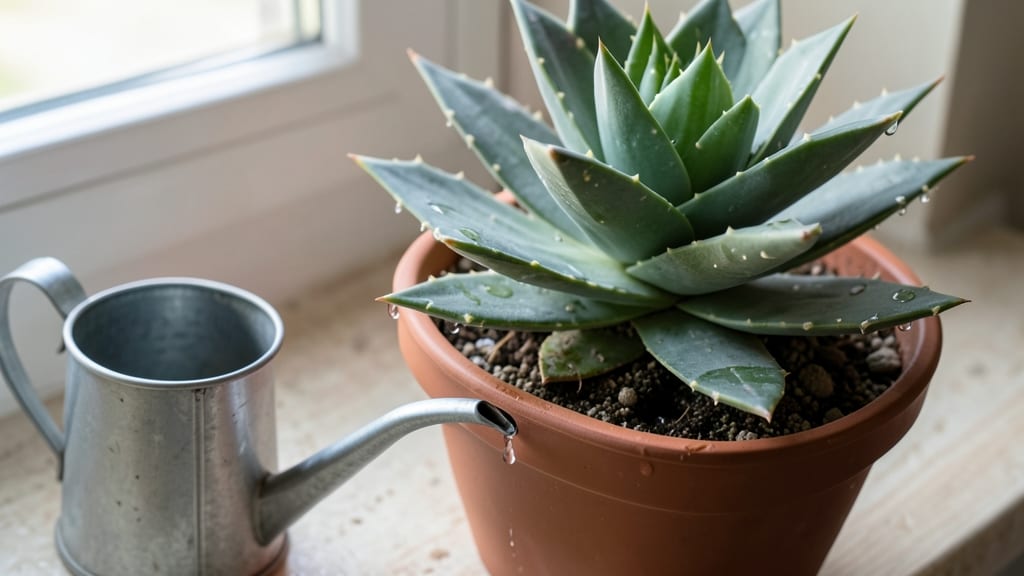
Your aloe vera needs water less often than you think—overwatering is the #1 killer of this hardy 🌱 succulent, and most plant owners get it wrong.
Picture this: You check your aloe every few days, give it a quick drink, and watch as the leaves turn mushy and yellow. Or worse, you forget it for weeks, only to find the edges crispy and brown. Both scenarios mean you’re doing it wrong.
The key is deep, infrequent watering—only when the soil is bone-dry, and even then, only every 2-4 weeks depending on your zone. In Zones 8-11, outdoor plants handle drought better than indoor ones, but even they need a break between drinks.
Below, I’ll break down the exact schedule, how to tell if your aloe is thirsty (or drowning), and the one trick that prevents root rot without guessing. No more dead plants—just happy, plump leaves ready for harvest.
How often to water aloe vera: the right schedule for healthy growth
Aloe vera is famously drought-tolerant, but that doesn’t mean it thrives on neglect. The key to keeping your aloe vera healthy lies in understanding its watering needs—which vary dramatically by season and pot size.
Unlike thirsty houseplants, aloe vera stores water in its leaves, making it overwatering, not underwatering, that typically kills these succulents. Let’s break down the science-backed schedule to keep your aloe vera thriving without drowning its roots.
Your aloe vera’s watering schedule should adapt to temperature shifts, humidity levels, and whether it’s potted or planted in the ground.
For example, a 6-inch pot indoors in winter may only need water every 6-8 weeks, while a 12-inch pot outdoors in summer might require deep watering every 2-3 weeks. The goal? Moist (not soggy) soil that mimics its natural desert environment.
Here’s where many gardeners go wrong: they assume “less water” means “never water.” But aloe vera still needs hydration to grow. The trick is deep, infrequent watering that penetrates the root zone—never just a quick sprinkle.
Think of it like a desert rainstorm: heavy but rare. Let’s dive into the exact schedule you should follow.
🌱 Aloe Vera Watering Schedule by Season & Pot Size
- 🌞 Spring (50-70°F): Water every 2-3 weeks for 6-inch pots; every 1-2 weeks for 12+ inch pots. Soil should dry out 2-3 inches deep between waterings.
- ☀️ Summer (70-90°F): Water every 3-4 weeks for 6-inch pots; every 2-3 weeks for 12+ inch pots. Deep water until it drains from the bottom—never leave it sitting in water.
- 🍂 Fall (40-60°F): Reduce to every 3-4 weeks for 6-inch pots; every 4-6 weeks for 12+ inch pots. Growth slows, so less water is needed.
- ❄️ Winter (30-50°F): Water every 6-8 weeks for 6-inch pots; every 8-12 weeks for 12+ inch pots. Let soil dry completely—aloe vera is nearly dormant in cold months.
💡 Pro Tip: Always check soil moisture before watering—stick your finger 2 inches deep. If it feels dry, water; if damp, wait.
Seasonal changes aren’t the only factor—pot size plays a huge role in how often you water. A smaller pot (under 6 inches) dries out faster because there’s less soil to retain moisture. In contrast, a large pot (12+ inches) holds water longer, so you’ll need to water less frequently.
For example, my 10-inch aloe vera pot in summer gets watered every 21 days, while my 4-inch propagation pot needs water every 10-14 days.
Another critical factor is soil moisture testing. Before reaching for your watering can, perform the finger test: insert your index finger 2 inches into the soil. If it feels dry, it’s time to water. If it’s still slightly moist, wait another week.
This simple test prevents root rot, the #1 killer of aloe vera plants. I’ve lost count of how many aloe vera plants I’ve overwatered—always trust the soil over the calendar!
Let’s talk about indoor vs. outdoor aloe vera watering. Indoor plants typically need less frequent watering because indoor environments are often drier and cooler than outdoors. However, if your home has high humidity (like a bathroom or kitchen), you may need to water slightly more often.
Outdoor aloe vera, especially in hot, dry climates, can handle longer stretches between waterings because the sun evaporates excess moisture faster.
One common mistake is assuming that larger pots mean more water. Actually, it’s the opposite! A 12-inch pot holds more soil, which retains moisture longer. The general rule is: the bigger the pot, the longer you can wait between waterings.
For instance, my 16-inch aloe vera in a clay pot might only need water every 6 weeks in winter, while a 6-inch plastic pot could dry out in just 2 weeks.
If you’re unsure whether your aloe vera needs water, look for these visual cues: wrinkled leaves, a lightweight pot, or soil pulling away from the pot edges. These signs mean it’s time to hydrate.
On the flip side, soft, mushy leaves or yellowing at the tips are red flags for overwatering. Adjust your schedule based on these signals—your aloe vera will thank you with plump, vibrant leaves.
Finally, let’s address the morning watering myth. While it’s true that watering in the morning reduces fungal risks, aloe vera is so drought-resistant that timing matters less than depth. What’s critical is that water penetrates deeply to reach the roots.
If you water in the evening, just ensure the pot has drainage holes and any excess water drains away within an hour. My aloe vera does fine with evening waterings as long as the soil isn’t left soggy.
Remember, aloe vera is a low-maintenance plant, but it’s not zero-maintenance. The key is consistency and observation. Stick to this schedule, adjust for your specific conditions, and your aloe vera will reward you with years of lush, healthy growth. Happy gardening! 🌱
Signs your aloe vera needs water (or too much of it)
Aloe vera is famously drought-tolerant, but even this resilient succulent sends clear signals when its water needs aren't met. The key is learning to read its leaf texture and soil moisture—both underwatering and overwatering show up in distinct ways.
I’ve seen wrinkled leaves from thirst and mushy bases from too much love, and both can be fatal if ignored. Let’s decode these warning signs so you can adjust your care routine before damage sets in.
Underwatering is the more obvious issue—your aloe’s thick leaves will pucker and pull inward like a dried-up accordion. Stick your finger 1-2 inches into the soil: if it feels bone-dry, it’s time to water.
The plant may also shrink slightly or develop brown tips as a last-ditch effort to conserve moisture. These are your aloe’s way of saying, “I’m thirsty—but don’t drown me!” The fix is simple: give it a deep drink until water escapes the drainage hole.
| Symptom | Cause | Solution | Prevention |
|---|---|---|---|
| Wrinkled, puckered leaves | Underwatering | Water deeply until drainage | Water every 2-3 weeks |
| Soft, mushy leaves | Overwatering | Stop watering; repot in dry soil | Use pots with drainage |
| Yellowing leaves | Overwatering or rot | Trim affected leaves; reduce water | Let soil dry completely |
| Brown, crispy tips | Underwatering or low humidity | Increase humidity or water more | Use pebble trays |
| White, powdery spots | Fungal infection (overwatering) | Remove spots; treat with fungicide | Improve airflow |
Overwatering is sneakier and far more dangerous. Your aloe’s leaves will turn soft and mushy, especially at the base, and may even collapse or develop black spots. This is a red flag for root rot, which spreads quickly in soggy soil.
If you notice yellowing leaves or a foul odor, act fast: remove the plant from its pot, trim any mushy roots with sterile scissors, and repot it in dry, gritty soil. Let it sit dry for a few days before watering again.
Prevention starts with the right pot and soil. Always use a container with drainage holes and a cactus/succulent mix—never regular potting soil, which holds too much moisture. I recommend a blend with perlite or sand to improve drainage.
Also, water in the morning so excess moisture evaporates during the day. If your aloe is outdoors, water only when the top 2 inches of soil are completely dry, and reduce frequency in winter months when growth slows.
Seasonal adjustments are critical. During spring and summer, your aloe may need water every 3-4 weeks, but in fall and winter, stretch that to 6-8 weeks.
I’ve had aloes survive on zero water for months during dormancy—just don’t let the soil stay wet for more than a few days.
Pro tip: Bottom-watering (placing the pot in a tray of water for 10-15 minutes) gives you more control over moisture levels and reduces the risk of fungal diseases.
Remember, aloe vera’s resilience comes from its ability to store water in its leaves. When in doubt, err on the side of underwatering.
Most people kill their aloes by loving them too much—so trust the plant’s signals, adjust your routine, and watch it thrive with plump, vibrant leaves for years to come. 🌱