
Orchid Care
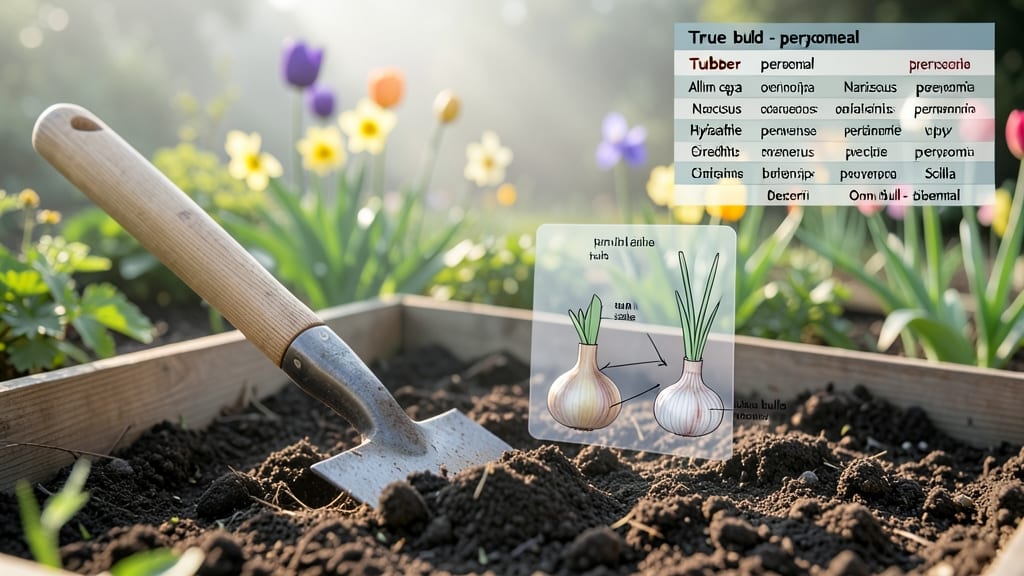
Not all bulbs are perennials—while some like tulips and daffodils return year after year, others like garlic and shallots die back annually but regrow from offsets. Onions and lilies fall into unique categories, with lifespans ranging from biennial to short-lived perennials. Always verify plant labels for accurate expectations.
Bulbs come in three main lifespan categories, and understanding these differences can save you time and frustration. 🌱 True perennials like daffodils store energy underground for years, while monocarpic bulbs (such as lilies) often decline after flowering.
The "annual dieback" group—garlic and shallots—may look dead in winter but actually regrow from their base. This variation explains why some bulbs thrive for decades while others need replanting every few years.
What's fascinating is how these lifespans connect to growing conditions. For example, tulips often need 6-8 weeks of chilling to rebloom properly, while garlic prefers cooler climates for optimal regrowth. Soil drainage also plays a huge role—waterlogged roots can kill even hardy perennials.
My best advice? Group bulbs by type in your garden and rotate planting spots every few years to maintain vigor.
💡 In This Article
- How Bulb Lifespan Varies by Type
- Gardening Tips for Extending Bulb Lifespan
How bulb lifespan varies by type
The key difference between bulb lifespans lies in their energy storage and reproductive strategies. True perennials like daffodils (Narcissus) store nutrients in their bulbs for years, allowing them to regrow annually.
These bulbs develop a complex underground structure with multiple layers that act like a battery, storing starches and sugars for 5-10+ years in ideal conditions. The outer scales protect the inner growth center, which remains dormant through winter but stays viable for regrowth.
Monocarpic bulbs, such as lilies (Lilium), take a different approach. These bulbs produce one spectacular bloom before declining—a strategy called monocarpic flowering. After flowering, they redirect all energy into seed production, leaving the bulb depleted.
Some varieties, like Easter lilies, may produce offsets (baby bulbs) that can regrow, but the parent bulb often dies. This explains why you might see lily bulbs disappear after a few years of flowering.
Annual dieback varieties like garlic (Allium sativum) and shallots (Allium ascalonicum) have a unique survival mechanism. They appear to die back in winter but regrow from their basal plate—the flat bottom where roots and shoots emerge.
These bulbs store energy in cloves or offsets rather than a single bulb structure. Garlic, for example, can regrow from individual cloves, while shallots multiply through bulbils (small bulblets) that form at the base.
Onions (Allium cepa) add another layer of complexity. Most are biennial, meaning they produce leaves in their first year and flowers in the second. After flowering, the bulb often declines.
However, some varieties like shallots and multiplier onions behave more like perennials, producing offsets that can be separated and replanted. The key is understanding whether your onion variety is designed for storage (like storage onions) or regrowth (like perennializing varieties).
What most gardeners don't realize is how temperature and daylight influence these lifespans. True perennials like tulips (Tulipa) need a 6-8 week chilling period at 40-50°F to rebloom properly. Without this cold treatment, they may produce fewer flowers or decline faster.
Meanwhile, garlic and shallots thrive in cooler climates where they experience true winter dormancy, which triggers their regrowth cycle. 🌱
Consider this comparison: A daffodil bulb planted in well-drained soil can live for 10-15 years, while a tulip bulb may only last 3-5 years before needing replacement. The difference comes down to how each bulb stores and uses its energy reserves.
Daffodils are more efficient at preserving their energy, while tulips invest heavily in annual blooms at the expense of long-term storage.