
Orchid Care
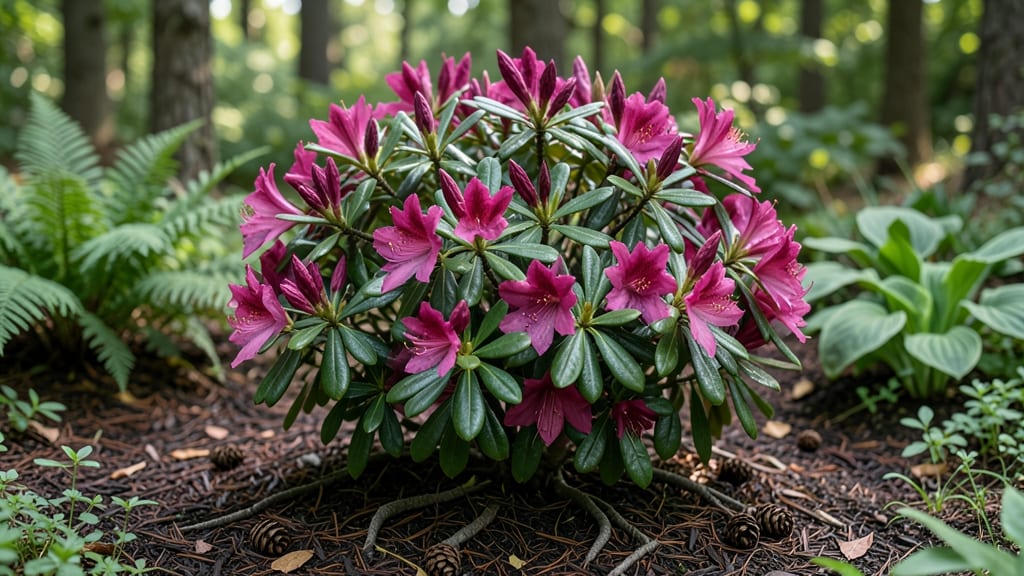
Yes, azaleas are perennials that regrow each year, though their hardiness varies by species—most thrive in USDA zones 5-9, with some surviving colder winters if properly mulched and sheltered. Evergreen varieties retain foliage year-round, while deciduous types lose leaves in winter.
Azaleas earn their perennial status thanks to their sturdy woody stems and deep root systems that store energy for regrowth. 🌱 Unlike annuals, they develop a permanent structure each year, which is why they can live for decades with proper care.
The key to their survival in colder climates lies in winter preparation—adding a thick layer of mulch around the base insulates roots from freezing temperatures, while evergreen varieties benefit from snow cover that acts like a natural blanket.
Deciduous types, on the other hand, rely on their dormant state to weather harsh winters, though they still need protection from drying winds.
What makes azaleas particularly rewarding is how their growth patterns adapt to your climate. Evergreen varieties like Rhododendron catawbiense keep their glossy leaves all year, providing year-round interest, while deciduous types such as Rhododendron canescens put on dramatic spring blooms before shedding leaves.
This seasonal contrast lets you plan your garden's visual rhythm—think vibrant spring blooms followed by evergreen structure in winter.
💡 In This Article
- Azalea Hardiness Zones and Cold-Weather Survival Tips
- Deciduous vs Evergreen Azaleas: Growth Habits Compared
Azalea hardiness zones and cold-weather survival tips
Azaleas persist as perennials thanks to their woody stems and fibrous root systems, which store carbohydrates like starch and sugars during the growing season. These energy reserves fuel regrowth in spring, much like how fruit trees survive winter.
The deeper the roots extend—often 12-18 inches below soil— the better they resist temperature fluctuations. This is why azaleas planted in well-draining, acidic soil (pH 4.5-6.0) thrive longer, as their root systems can access moisture and nutrients even in dry spells.
The USDA hardiness zones 5-9 represent the sweet spot for most azaleas, but some cultivars like Rhododendron catawbiense (evergreen) can endure -20°F with proper care, while Rhododendron canescens (deciduous) may struggle below 0°F.
The critical factor isn’t just the lowest temperature but how quickly temperatures fluctuate—sudden freezes can damage tender new growth. Mulching with 3-4 inches of organic matter (like pine bark or shredded leaves) insulates roots, maintaining a 5-10°F warmer microclimate beneath the surface.
Winter pruning is another game-changer. Removing dead or crossing branches in late winter (after the worst cold passes) improves airflow and reduces stress. For evergreen varieties, a light dusting of snow acts as insulation, but heavy snow can break branches—so gently brush off accumulation.
Deciduous types benefit from winter dormancy, where they shed leaves to conserve energy, but their bare stems still need protection from windburn. Planting near evergreen shrubs or fences creates a windbreak, mimicking the natural shelter of forest understories where azaleas originally thrived.
What most gardeners overlook is the role of soil moisture in winter. While you might reduce watering, the ground should never freeze solid—this cuts off oxygen to roots.
In zones 5-6, a thick mulch layer prevents soil from freezing deeper than 6 inches, while in zone 7+, occasional light watering (if rainfall is scarce) keeps roots hydrated. The key is balance: too much moisture causes rot, but too little stresses the plant.
Think of it like dressing for winter—just enough to stay comfortable, not soaked.
For colder climates, consider microclimate hacks. South-facing walls or slopes absorb sunlight, raising temperatures near the plant by 5-10°F during the day. Grouping azaleas with other evergreens (like boxwoods or junipers) creates a shared protective zone.
Even in zone 4, container-grown azaleas can overwinter indoors near a bright window, though they’ll need regular watering to prevent root desiccation. The goal is to replicate their native habitat—shaded, moist, and sheltered from harsh elements.
Here’s a quick checklist for winter prep:
- Mulch: Apply 3-4 inches of organic mulch after the first frost
- Prune: Trim dead wood in late winter (February-March)
- Water: Keep soil moist but not soggy until ground freezes
- Shelter: Use burlap wraps for young plants in exposed areas
- Monitor: Check for pest eggs (like lace bugs) hiding in leaf litter
With these strategies, even zone 5 azaleas can live for 20+ years, rewarding you with seasonal blooms and lush foliage. The secret? Treating them like the resilient survivors they are—perennials built to endure, not just survive. 🌿