
Plants
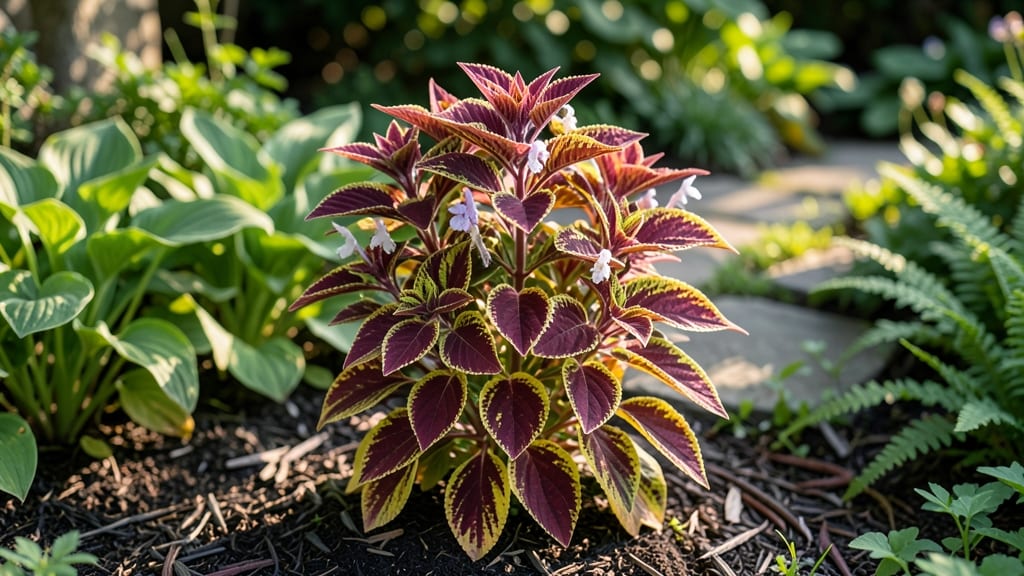
Coleus behave as tender perennials in cold climates, meaning they die back to the ground during frost but regrow from roots or cuttings when temperatures rise. In warmer zones (USDA 10-12), they function as evergreen plants year-round.
Coleus aren't true perennials because they lack the hardiness to survive freezing temperatures. 🌱 When frost hits, their above-ground foliage blackens and falls away, but the roots often remain dormant underground until spring.
This makes them "tender perennials"—they return each season if protected or propagated. In milder climates, they keep their leaves all year, but even there, they won't tolerate hard freezes.
What sets coleus apart is their ability to regenerate from just a small stem cutting. This makes them easier to propagate than many true perennials, which often require division. For gardeners in colder zones, overwintering cuttings indoors or digging up root clumps is key to enjoying them year after year.
💡 In This Article
- Why Coleus Die Back in Winter and How They Regrow
- How to Overwinter Coleus for Next Year’s Growth
Why coleus die back in winter and how they regrow
Coleus plants enter a survival strategy called dormancy when temperatures drop below 35°F. This isn't true hibernation like bulbs, but rather a protective response where the plant conserves energy by shutting down above-ground growth.
The leaves and stems blacken and crisp because cell membranes rupture from ice crystal formation—similar to how frozen water pipes burst. However, the roots remain alive below the frost line, often just 2-4 inches deep, where soil temperatures stay above freezing.
The key to their survival lies in their fibrous root system, which stores minimal nutrients but prioritizes water retention. When spring arrives, these roots detect rising soil moisture and warmth (typically above 50°F) and trigger new shoot growth from dormant buds.
This regrowth is why gardeners can often find fresh green shoots emerging from the soil's surface even after the plant appears completely dead. In colder zones (USDA 5-9), this process repeats annually, while in warmer zones (10-12), the plant maintains continuous growth.
What makes coleus unique is their apical dominance—the plant's ability to regenerate from any node along the stem, not just the crown. This means even a 2-inch cutting with a single leaf can root and grow into a new plant.
The plant's high polyphenol content (natural antioxidants) also helps protect cell structures during cold exposure, similar to how some tropical fruits survive frost. This biological resilience explains why coleus can bounce back so vigorously each spring, even after complete winter die-back.
The USDA hardiness zones play a critical role in determining coleus behavior. In zones 10-12, where winter temperatures rarely drop below 40°F, coleus maintain their evergreen nature because the plant never experiences true dormancy.
The leaves may yellow slightly in winter but continue photosynthesizing at reduced rates. In contrast, zones 5-9 experience full die-back because frost penetrates deeper, forcing the plant into complete dormancy until spring warmth reactivates growth hormones.
Here's what happens at the cellular level: When temperatures fall below 32°F, coleus leaves produce antifreeze proteins that prevent ice crystals from forming in their cells. However, these proteins can only handle so much cold—typically 2-4 weeks of sub-freezing temperatures before cell damage becomes irreversible.
This explains why coleus in colder climates need protection during extended cold snaps, even if they survive brief frosts.
Gardeners often notice that coleus regrowth in spring is most vigorous when the plant has experienced some winter die-back. This is because the cold exposure actually prunes the plant at the cellular level, redirecting energy toward new growth rather than maintaining old stems.
The result is often bushier, more compact plants that produce more colorful foliage than they did the previous season. 🌿