
Flowers
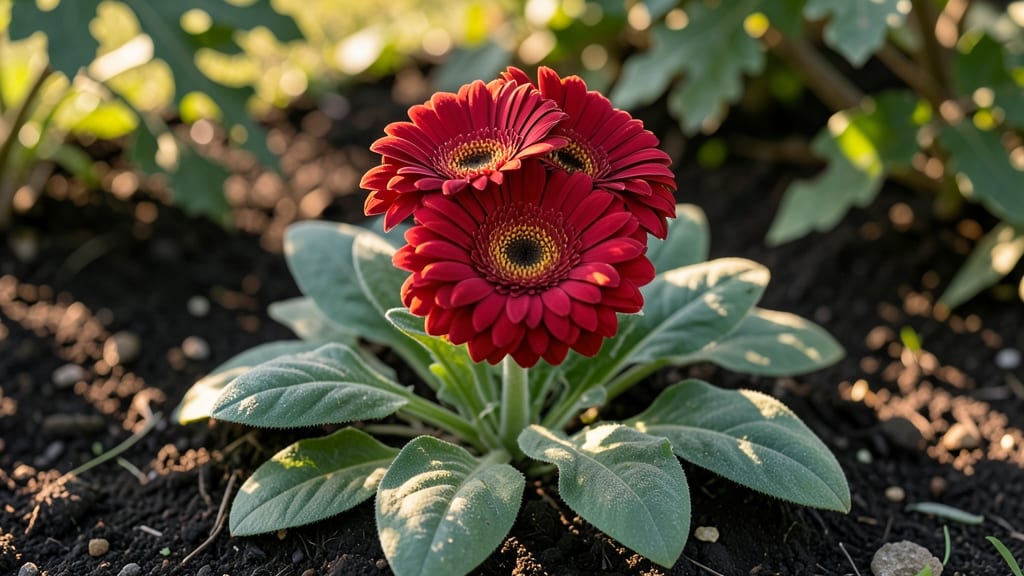
Gerbera daisies are not true perennials in most climates, dying back to the ground each winter but often returning from roots if protected from freezing. In USDA zones 8-11, they thrive year-round, while colder zones require winter mulch or container growing to survive.
Gerbera daisies behave like seasonal perennials—they go dormant when temperatures drop, but their roots often survive underground if shielded from harsh frost. 🌱 In colder regions, they’re classified as tender perennials because their foliage can’t withstand freezing, though their root systems remain resilient.
This makes them perfect for gardeners who want vibrant summer blooms but don’t want to replant annually. The key to their survival lies in protecting those roots during winter, whether through mulching or moving them to a sheltered spot.
What sets gerbera daisies apart is their ability to bounce back—if you give them a fighting chance against winter’s chill. In warmer zones, they’ll reward you with continuous blooms, while in cooler areas, a little extra care can bring them back stronger than ever in spring.
It’s all about understanding their natural dormancy cycle and working with it rather than against it.
💡 In This Article
- Why Gerbera Daisies Die Back in Cold Climates
- How to Overwinter Gerbera Daisies in Cold Zones
Why gerbera daisies die back in cold climates
Gerbera daisies go dormant in cold weather because their foliage and stems simply can't tolerate frost. The plant's leaves and stems contain high moisture levels, which freeze and rupture cell walls at temperatures below 28°F (-2°C).
This is why you'll see the above-ground parts blacken and collapse when winter arrives—it's not a sign of death, but rather a survival mechanism to protect the root system. 🌱 The roots themselves are more resilient, often surviving down to 20°F (-7°C) if properly insulated.
Botanically, gerberas are classified as tender perennials because their hardiness tops out around USDA zone 8. In zones 9-11, they behave like true perennials, growing continuously year-round.
The key difference lies in their cold acclimation ability - gerberas don't develop the same protective sugars and antifreeze proteins that hardy perennials like peonies do. Their natural growing season is summer, and they enter dormancy when day lengths shorten and temperatures fall below 50°F (10°C) consistently.
What's fascinating is how the plant prepares for winter. About 6-8 weeks before frost, gerberas begin storing carbohydrates in their roots - up to 30% of their energy reserves - which fuels regrowth in spring.
This is why mulching works so well: it maintains soil temperatures above 32°F (0°C), preventing root damage while the plant remains dormant. The roots stay alive in a semi-dormant state, ready to sprout when conditions improve.
In colder zones, the lack of natural insulation becomes critical. Without protection, roots can suffer from freeze-thaw cycles that cause physical damage to root cells. This is why you'll often see gerberas classified as annuals in northern climates - they simply can't survive the winter exposure that hardy perennials endure.
The plant's native habitat in South Africa's highveld regions (with mild winters) explains this sensitivity to cold.
Here's what happens at different temperature thresholds:
- Above 40°F (4°C): Normal growth continues
- 32-40°F (0-4°C): Growth slows, plant prepares for dormancy
- 20-32°F (-7 to 0°C): Foliage dies back, roots survive if protected
- Below 20°F (-7°C): Root damage likely without insulation
The plant's ability to regrow from roots makes it behave like a perennial in practice, even when technically classified as tender. This is why gardeners in marginal zones often report "volunteer" gerberas appearing each spring - the roots survived winter's chill despite the above-ground parts looking dead. 💫