
Plants
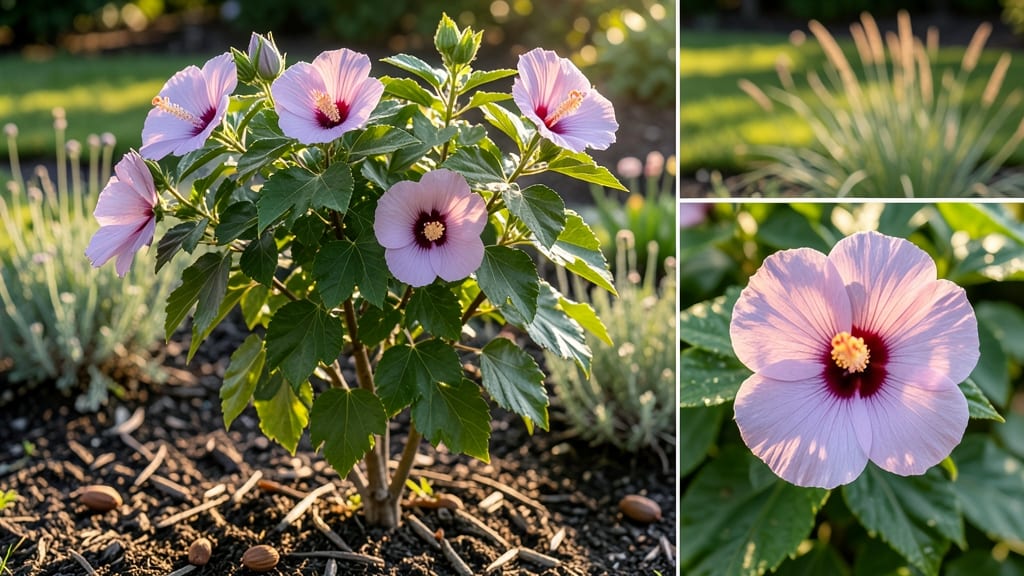
Hibiscus aren't true perennials in most regions—they typically die back to the ground each winter but regrow from their root systems in warmer climates (USDA zones 9-11). Tropical varieties usually freeze to death in cold snaps, while hardy hibiscus (like Hibiscus moscheutos) can withstand colder winters with protection or in zones 5-9.
Hibiscus plants behave more like seasonal perennials in cold climates, meaning their aboveground growth disappears in winter but their roots survive underground. 🌱 This dieback cycle is their natural survival strategy—similar to how peonies or daylilies retreat underground each year.
The key difference is that hibiscus roots are less cold-hardy than many native perennials, which is why tropical varieties struggle even in mild winters. Hardy hibiscus varieties like Hibiscus moscheutos have evolved thicker root systems that can endure freezing temperatures down to 10°F when properly protected.
What makes this especially important for gardeners is understanding the USDA zone distinctions. In zones 5-9, hibiscus can often recover from winter dormancy with proper care, while zones 10 and above allow them to grow year-round.
The transition between zones determines whether you'll need to dig up and overwinter your plants or simply provide mulch protection. I've found that even in zone 8, a thick layer of mulch and wrapping the base with burlap can make all the difference in spring regrowth.
💡 In This Article
- Hibiscus Cold Hardiness Zones Explained
- Winter Care Tips for Overwintering Hibiscus
Hibiscus cold hardiness zones explained
The cold hardiness of hibiscus comes down to two fundamental types: tropical and hardy varieties. Tropical hibiscus, like Hibiscus rosa-sinensis, thrive in USDA zones 10-11 where winter temperatures rarely drop below 30°F.
Their roots and stems are sensitive to frost, and even a light freeze can kill them to the ground permanently. In contrast, hardy hibiscus such as Hibiscus moscheutos (swamp hibiscus) are built to handle colder climates, with roots that can survive down to -10°F when properly protected.
What triggers the dieback behavior is a combination of temperature and photoperiod. As nights grow shorter in autumn, hibiscus plants sense the coming winter and begin conserving energy by shedding leaves and stems. The roots remain dormant but alive underground, storing carbohydrates that fuel spring regrowth.
This process is similar to how deciduous trees prepare for winter, but hibiscus roots are less insulated against freezing soil. In zones 5-8, the key factor is soil temperature—roots can survive 20°F soil temps, but prolonged exposure to 15°F or lower often causes fatal damage.
Here's where the science gets interesting: hibiscus roots contain higher concentrations of soluble sugars during dormancy, which act as natural antifreeze. These sugars lower the freezing point of water in root cells, preventing ice crystal formation that would rupture cell walls. However, this protection has limits.
Tropical varieties lack this adaptation, which is why they're often grown as annuals in colder regions. The hardy varieties have evolved thicker root crowns that can regenerate new shoots even after severe dieback, making them more resilient.
Gardeners often notice the difference in regrowth patterns between zones. In zone 9, hibiscus might lose leaves but recover quickly in spring, while in zone 7 they may need 6-8 weeks of consistent above-freezing temperatures before breaking dormancy.
The transition zone between 7 and 8 is particularly critical—here, a single late frost can determine whether your hibiscus survives or perishes. I've seen firsthand how a 15°F dip in March can kill back hardy varieties to the ground, requiring careful monitoring of weather forecasts.
An important distinction is how hibiscus handle snow cover versus dry cold. Wet snow provides insulation, maintaining more stable soil temperatures, while dry cold allows heat to escape from the ground.
This is why mulching with 4-6 inches of straw or leaves becomes essential in colder zones—it mimics the insulating effect of snow. The root zone needs to stay above 25°F for survival, which is why wrapping plant bases with burlap or using frost blankets can be game-changers in marginal climates.
What most gardeners don't realize is that hibiscus roots can actually regenerate from just a few inches of remaining crown. Even if the top growth dies completely, as long as 2-3 inches of root remain alive, new shoots will emerge in spring.
This is why it's crucial to avoid cutting back dead stems in winter—you might accidentally remove the viable root crown. The key is patience: wait until new growth appears before pruning back the previous year's dead stems.