
Plants
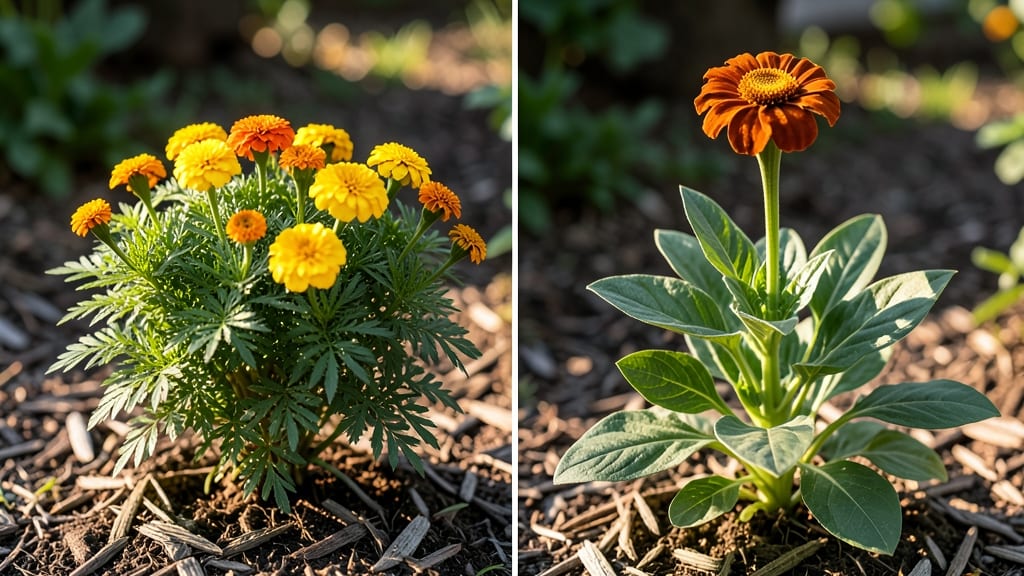
Marigolds are not true perennials in most climates, though some varieties like French marigolds (Tagetes patula) may regrow from roots in warm zones (9-11). In colder regions, they die back annually and must be replanted yearly.
Most marigolds act like annuals because their tender stems and shallow roots can't survive freezing temperatures. 🌱 Once nighttime temps drop below 32°F, the plants either go dormant or die completely—unless you're in USDA zones 9-11, where French marigolds might persist through winter.
Even then, they often need protection from unexpected cold snaps. The good news? With the right strategies, you can trick marigolds into lasting longer than one season, even in colder climates.
For gardeners in chilly regions, the key is planning ahead. Start by choosing cold-tolerant varieties like Mexican marigolds (Tagetes lucida), which handle cooler weather better than their French cousins.
You can also try overwintering potted marigolds in a garage or greenhouse, bringing them back outside when temperatures warm up. Another trick is succession planting—staggering your sowing schedule so you always have fresh blooms throughout the growing season.
💡 In This Article
- Marigold Cold Hardiness: Why They Die Back in Winter
- Year-Round Marigold Gardening: Extending Blooms Beyond One Season
Marigold cold hardiness: why they die back in winter
Marigolds' struggle with winter stems from their tropical origins—most varieties evolved in warm climates where temperatures rarely dip below 50°F.
Their stems contain minimal woody tissue, making them prone to cracking or snapping under 32°F frost. 🌡️ The real vulnerability lies in their shallow root systems, which typically extend only 12-18 inches deep, offering little insulation against freezing soil.
When roots freeze, they can't absorb water, causing the entire plant to desiccate within days.
This sensitivity explains why marigolds behave like annuals in most U.S. regions. Even in USDA zones 9-11, where winters rarely drop below 20°F, French marigolds (Tagetes patula) often survive only because their roots remain slightly active.
In colder zones (3-8), the first hard frost (28-32°F) triggers complete dormancy or death. The critical threshold is 25°F—below this, cell membranes rupture, and the plant's ability to regenerate is lost permanently.
What most gardeners don't realize is how marigolds' growth habit accelerates their demise.
Their rapid 60-90 day life cycle means they're still in active growth when winter arrives, leaving no time to harden off like true perennials. 🌱 Compare this to black-eyed Susans (Rudbeckia), which develop thick, woody stems and deep taproots—structures marigolds simply can't match. The result?
Even if roots survive, the above-ground portions rarely recover without human intervention.
Zone variations create dramatic differences in marigold behavior. In zone 10, French marigolds might self-seed annually, creating the illusion of perennials. But in zone 6, the same plants will wilt at first frost and require complete replanting.
The transition zone (7-8) offers the best chance for partial survival, but only with protective measures like row covers or mulching—neither of which guarantees full regrowth.
Interestingly, marigolds' flowers contain compounds like tagetones, which help deter pests even in winter.
While the plants themselves may die, their decomposed remains release these beneficial chemicals into the soil, creating a natural pest barrier for subsequent plantings. 🌿 This ecological role explains why many gardeners still cultivate marigolds annually despite their non-perennial nature.
For those in marginal zones (8-9), the key to extending marigold life lies in timing. Planting in late summer gives them 6-8 weeks of growth before frost, allowing roots to establish deeper.
Even then, a 20°F cold snap can undo all progress—proving that marigolds' perennial aspirations are more myth than reality in most gardens.