
Orchid Care
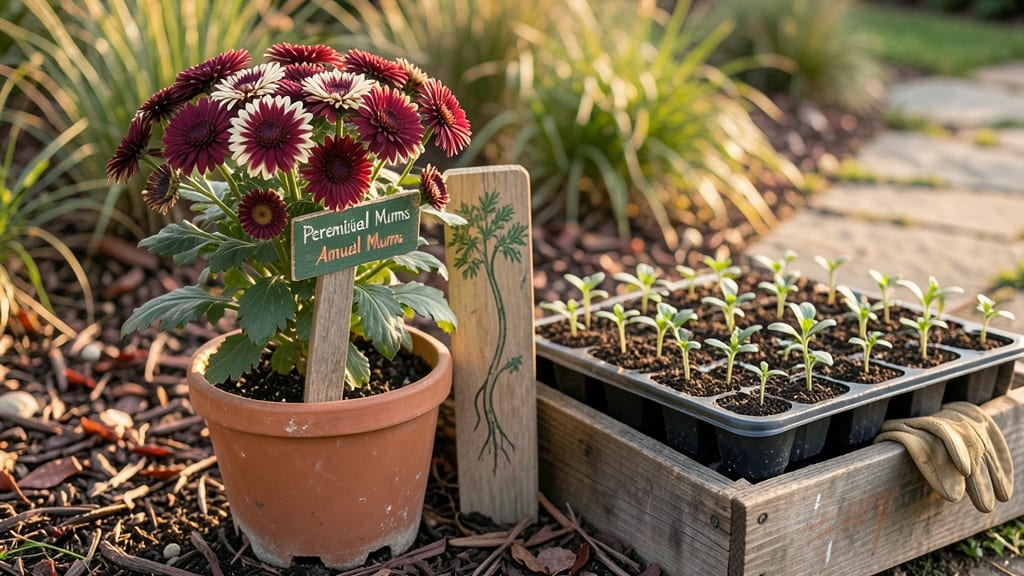
Mums (chrysanthemums) are perennials in most climates but often grown as annuals because they die back in cold weather, though they regrow from roots in warmer zones like Zones 5-9+.
This dieback cycle is actually a survival strategy—mums store energy in their roots during dormancy, allowing them to rebound when temperatures rise. 🌱 In colder regions (Zones 3-4), they may not survive winter without protection, which is why gardeners in those areas treat them as annuals.
The key difference lies in how well they adapt to seasonal changes: hardy varieties like 'Dynasity' thrive as perennials in milder climates, while others need extra care to persist through freeze-thaw cycles.
Understanding this behavior helps you decide whether to invest in overwintering efforts or simply replant each fall. For example, mulching with straw or using containers for potted mums can extend their lifespan significantly, even in chilly areas.
💡 In This Article
- Why Mums Die Back in Winter and How They Recover
- How to Grow Mums as Perennials in Cold Climates
Why mums die back in winter and how they recover
Mums (chrysanthemums) enter dormancy as a survival mechanism when temperatures drop below 40°F. This dieback isn't death—it's a biological strategy where the plant redirects energy from leaves and stems into its root system, which remains alive underground.
The roots store carbohydrates like starch and sugars, acting as a natural energy reserve. In warmer zones (USDA 5-9+), these roots can withstand 20-25°F cold snaps, allowing the plant to regrow when spring arrives. 🌱
The key difference between annual and perennial behavior lies in root hardiness. Perennial mums develop deeper, more robust root systems that can survive freeze-thaw cycles, while annuals (often tender varieties) lack this resilience.
For example, 'Dynasity' mums, bred for cold tolerance, can endure -10°F with proper care, whereas 'Cavendish' types may struggle below 25°F. This explains why gardeners in Zone 6 might see regrowth while those in Zone 4 need extra protection.
What most people don't realize is that the timing of dormancy matters. Mums typically start dying back in late fall when daylight shortens to 10-12 hours, triggering hormonal changes. The roots remain active until hard freezes occur.
In spring, when soil temperatures reach 55°F, the roots send out new shoots. This process can take 4-6 weeks, depending on variety and climate.
Cold climates (Zones 3-4) present challenges because the ground freezes solid, preventing root survival. Without protection, the roots can suffer frost damage or desiccation. This is why gardeners in these areas often treat mums as annuals—they replant each fall rather than risking winter loss.
However, even in colder zones, selecting hardy varieties and using mulch can tip the balance toward perennial growth.
Consider this: in Zone 5, a well-mulched mum bed with 6 inches of straw can protect roots down to 2-3 inches deep, insulating them from temperature swings. The mulch also prevents soil heaving—a common issue when frozen ground expands and contracts.
This simple technique can mean the difference between a dead plant and one that returns year after year. 💛
Another factor is moisture management. Overwatering in fall can weaken roots before dormancy sets in, while too little water causes dehydration. The ideal approach is to reduce watering as temperatures drop, allowing the plant to prepare for winter naturally. In spring, consistent moisture helps stimulate regrowth once new shoots appear.
Understanding these mechanisms helps explain why some gardeners swear by mums as perennials while others treat them as annuals. The truth lies in the balance between climate, variety selection, and care practices—all of which determine whether these vibrant flowers will return each season. ✨