
Orchid Care
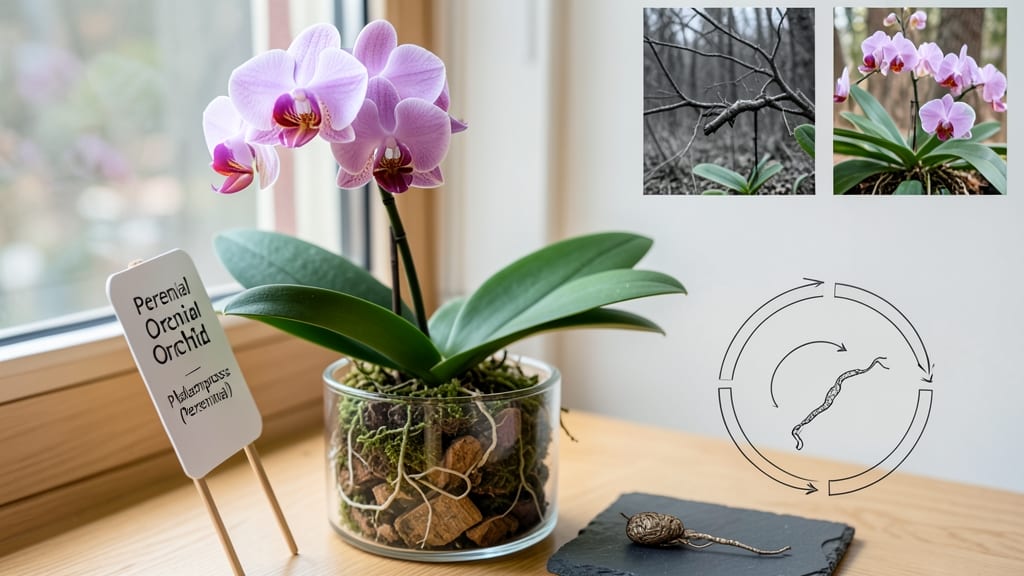
Orchids are perennials because their underground storage structures—rhizomes and pseudobulbs—remain alive through seasonal changes, enabling them to regrow after natural dormancy periods.
This perennial nature stems from their specialized storage organs: rhizomes act like roots that store nutrients, while pseudobulbs (thickened stems) hold water and energy for months. 🌱 Unlike annuals that die after one season, orchids enter dormancy when conditions turn harsh—whether from winter cold or summer drought—then bounce back when conditions improve.
I've seen Phalaenopsis orchids drop leaves in winter only to sprout fresh growth by spring, proving their resilience.
What's fascinating is how these structures adapt to different climates. Tropical orchids might just slow growth during dry seasons, while temperate varieties can look completely dead before rebounding. Proper care—like reducing water during dormancy—helps maintain this cycle year after year.
💡 In This Article
- How Orchid Rhizomes and Pseudobulbs Ensure Perennial Growth
- Caring for Orchids Through Their Dieback and Regrowth Phases
How orchid rhizomes and pseudobulbs ensure perennial growth
Orchid perennial survival hinges on two specialized structures: rhizomes and pseudobulbs. Rhizomes are horizontal underground stems that store carbohydrates and nutrients, similar to how sweet potatoes function.
These structures contain specialized cells called parenchyma that swell with starch during active growth, creating a nutrient reserve that can sustain the plant for months. 🌱 In contrast, pseudobulbs—thickened aerial stems—act like water towers, storing moisture in their thick walls while also storing nutrients.
This dual storage system allows orchids to survive periods of stress, whether it's winter dormancy or summer drought.
The science behind this involves cellular adaptations. Pseudobulbs have a thick epidermis and cuticle that slow water loss, while their internal structure contains large vacuoles that expand to store water during wet periods.
For example, a mature Cattleya pseudobulb can hold enough water to last through a 3-month dry season—a survival strategy reminiscent of succulents but adapted for orchids. The rhizomes, meanwhile, develop protective layers that prevent rot even when moisture levels fluctuate.
This dual storage system gives orchids their perennial advantage over annuals, which lack such specialized structures and must complete their entire life cycle within one growing season.
What makes this system particularly fascinating is how it varies across species. Tropical orchids like Phalaenopsis often maintain active growth year-round, using their pseudobulbs primarily for nutrient storage rather than water.
In contrast, temperate varieties such as Dendrobium develop thick pseudobulbs that can shrink dramatically during dormancy, conserving water like a living sponge. This adaptability explains why orchids thrive in diverse climates—from tropical rainforests to Mediterranean gardens—while still maintaining their perennial nature. 💫
Comparing orchids to other perennials highlights their unique efficiency. Unlike bulbs (like tulips) that store energy in underground corms or tubers, orchid rhizomes and pseudobulbs combine both storage and structural support functions.
This dual-purpose design allows orchids to regenerate quickly after dieback, often producing new leaves and shoots within weeks of favorable conditions returning. The speed of this regrowth—sometimes within 4-6 weeks—demonstrates how finely tuned their storage systems are to their environments.
One often-overlooked detail is how these structures respond to temperature changes. During dormancy, pseudobulbs can drop internal temperatures by up to 10°F compared to ambient air, creating a natural cooling effect that preserves moisture and nutrients.
This physiological response is similar to how some desert plants reduce water loss during heatwaves. The ability to regulate internal conditions gives orchids a survival edge in fluctuating climates, making them true perennial powerhouses in the plant kingdom. ✨