
Orchid Care
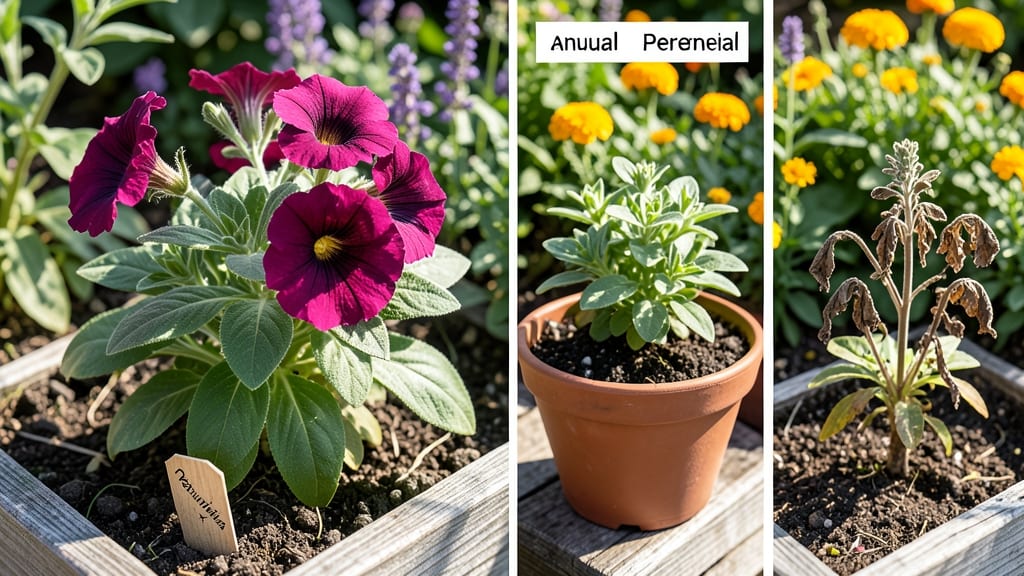
Whether petunias are annuals or perennials depends on your climate: they thrive as perennials only in USDA hardiness zones 10 and warmer, where winters stay above 30°F (-1°C). In colder regions, they're typically grown as annuals, though some varieties may regrow from roots in mild winters.
This distinction comes down to temperature tolerance—petunias are tropical plants at heart, so they can't handle frost. In zones 10 and above, they establish strong root systems that survive winter dormancy, blooming again in spring. 🌱 However, most gardeners in cooler climates replant them yearly since freezing temperatures kill the foliage, though the roots might linger underground.
If you're in a marginal zone (like 9 or 8), you can try overwintering them with mulch or container protection to extend their lifespan.
What's interesting is that some newer hybrid varieties, like Petunia × atkinsiana, have better cold resistance, making them worth experimenting with if you're eager to grow petunias as perennials.
Just remember: even in warmer zones, they'll need consistent moisture and protection from late-season frosts to truly thrive year after year.
💡 In This Article
- Petunia Hardiness Zones: Where They Survive Winter
- Cold-Resistant Petunia Varieties for Year-Round Growth
Petunia hardiness zones: where they survive winter
The key to understanding petunias' annual or perennial nature lies in their tropical origins. These plants evolved in South America's warm climates, where temperatures rarely dip below 50°F (10°C). Their cells contain unsaturated fats in membranes that remain fluid only above 32°F (0°C), causing cellular damage when frozen.
This is why petunias typically die back when temperatures drop below 30°F (-1°C)—their foliage blackens and stems collapse, but the roots may survive if protected. 🌡️
USDA hardiness zones provide a clear framework for petunia survival. In zones 10-12, where winters average 35-40°F (2-4°C), petunias establish deep root systems that can overwinter with minimal protection. The roots contain antifreeze proteins similar to those in winter wheat, allowing them to tolerate brief cold snaps.
In contrast, zones 7-9 (average winters 10-30°F (-12 to -1°C)) require heavy mulching or container overwintering to prevent root death, while zones 1-6 are too harsh for perennial growth.
What most gardeners don't realize is that petunias' cold tolerance varies by growth stage. Seedlings can handle 40°F (4°C) but will die if exposed to frost, while established plants with 3-inch stems can survive 35°F (2°C) if acclimated.
This explains why many gardeners in zone 9 successfully overwinter petunias—if planted early enough to mature before winter. The tradeoff? Slower spring regrowth compared to annual plantings. 🌱
For those in marginal zones (8-9), the secret lies in root protection. A 6-inch layer of straw mulch can raise soil temperatures by 5-10°F (3-6°C), while container-grown petunias wrapped in burlap and moved to unheated garages survive 20°F (-7°C) brief exposures.
The roots' ability to regenerate in spring depends on this insulation—even 1% of root mass remaining can produce new shoots within 2-3 weeks of warming.
Interestingly, petunias' flowering response to temperature also plays a role. In warmer zones, they enter a dormant state rather than dying completely, with buds forming on roots that break dormancy when soil reaches 65°F (18°C).
This explains why some gardeners in zone 10 see petunias bloom year-round with minimal care—no replanting needed! The contrast with colder zones highlights why annual treatment is standard practice elsewhere.
Here's what this means for your garden: If you're in zone 10+, treat petunias as perennials with minimal winter prep. For zones 7-9, experiment with mulching or containers—success rates improve with 3+ years of trial.
In colder zones, accept annual planting but choose fast-maturing varieties (like 'Wave' series) to maximize summer blooms before frost. 🌿