
Plants
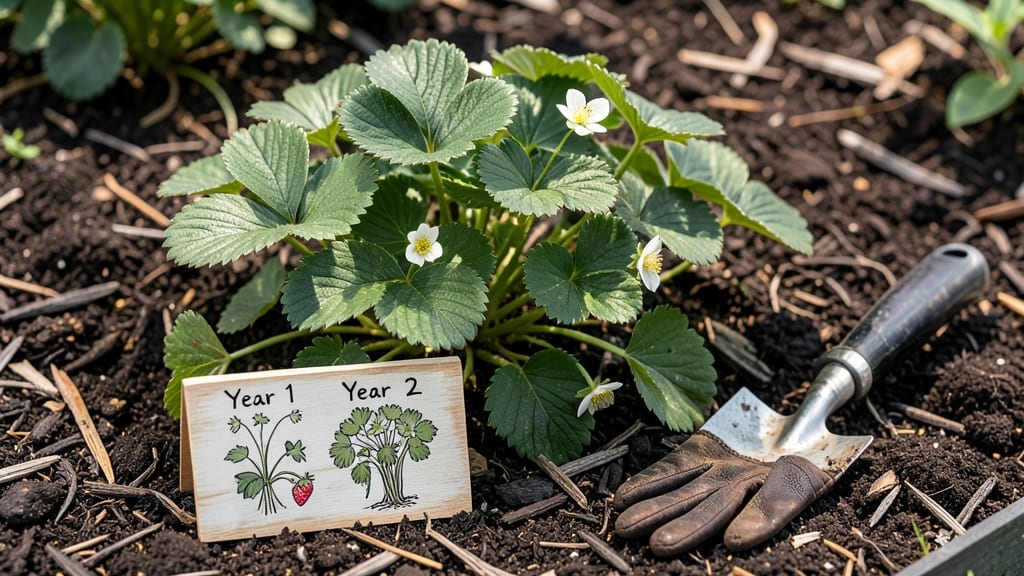
Yes, strawberries are perennials that regrow each spring from their dormant crowns and roots, though some varieties weaken after 2-3 years without renewal. Their underground structures stay alive through winter in temperate zones.
This perennial nature means strawberries aren't annuals that die after fruiting—rather, they enter winter dormancy while storing energy in their crowns and roots. 🌱 The key difference is their ability to regenerate foliage and fruit-bearing stems year after year, though gardeners often replace them every few seasons to maintain vigor.
What's fascinating is how varieties like 'Chandler' handle cold differently than 'Albion,' with some pushing new shoots as early as February in mild climates.
What sets strawberries apart from true biennials (which die after two years) is their crown's resilience—even after heavy fruiting, the plant can produce new growth from the base. However, this process slows over time, which is why many gardeners practice renewal techniques like crown division every 2-3 years.
💡 In This Article
- How Strawberry Plants Overwinter as Perennials
- Renewing Strawberry Plants for Long-Term Perennial Growth
How strawberry plants overwinter as perennials
Strawberry plants survive winter through a biological process called dormancy, where their above-ground growth halts while energy reserves in the crown and roots remain active. The crown—located just above the soil—contains meristematic cells that can regenerate new shoots when conditions improve.
These cells enter a state of metabolic slowdown triggered by cold temperatures (below 40°F) and shorter daylight hours (photoperiod), which signal the plant to conserve energy.
The roots, which extend 12-18 inches deep, store carbohydrates like starch and sugars in specialized cells, providing fuel for spring regrowth. Varieties like 'Jewel' (hardy to -15°F) can survive harsh winters, while others like 'Seascape' (hardy to 10°F) may need mulch protection.
The crown's ability to regenerate is why you'll often see new leaves emerging even after the plant appears dead—it's not dead, just dormant!
Here's what's happening underground: The root system maintains a minimum metabolic rate to sustain life, while the crown's meristems stay protected within 2-3 inches of soil. This depth is critical—deeper planting can lead to rot, while shallower planting risks freeze damage.
The plant's cold hardiness varies by variety, with June-bearing types often more resilient than everbearing or day-neutral varieties.
Spring regrowth begins when temperatures consistently stay above 50°F for 2-3 weeks, combined with increasing daylight. The crown's meristems detect these cues and produce new shoots, often within 2-4 weeks of dormancy breaking.
This is why strawberry beds that look barren in winter can explode with growth by early spring—it's not a new plant, but the same one waking up!
What most gardeners don't realize is that strawberries exhibit apical dominance—the central crown suppresses side shoots during dormancy. When you see multiple shoots emerging in spring, it's often because the plant's energy reserves are being directed toward renewal after winter stress.
This natural pruning process helps the plant allocate resources efficiently for the upcoming growing season.
Consider these key factors when assessing winter survival:
- Crown depth: Plant crowns 1/2 inch below soil for optimal winter protection
- Mulch thickness: Apply 4-6 inches of straw or leaves to insulate roots
- Variety selection: Choose cold-hardy types for your zone (e.g., 'Chandler' for Zone 5)
- Soil moisture: Keep soil slightly moist but not soggy during winter to prevent root rot
The science behind this involves abscisic acid, a plant hormone that accumulates during cold exposure, triggering dormancy. As temperatures rise, gibberellins take over, promoting shoot growth. This hormonal dance is what allows strawberries to be both perennials and productive fruit producers year after year!