
Flowers
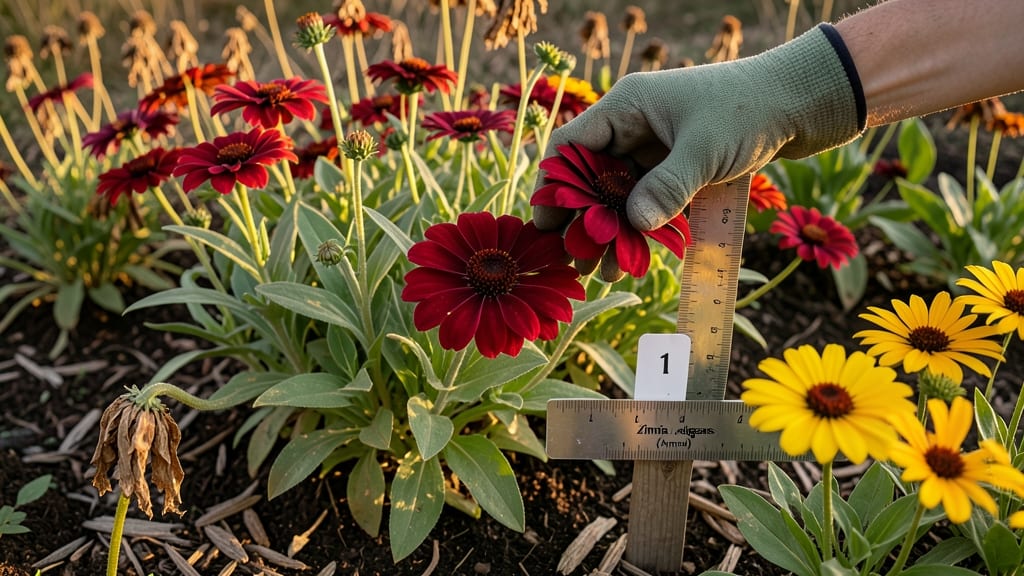
Zinnias aren't true perennials in most climates, though they often return for 2-3 years by self-seeding prolifically. Their ability to persist depends on winter temperatures and local growing conditions.
Zinnias behave like perennials because they produce abundant seeds that sprout naturally each season, creating the illusion of returning plants. 🌱 The key difference lies in their stems and roots—zinnias can't survive freezing temperatures, so they die back completely in winter.
In warmer regions, however, they may overwinter successfully, especially if given proper care like mulching or choosing cold-hardy varieties.
This self-seeding behavior is why many gardeners treat zinnias like perennials, even though botanically they're classified as annuals. The trade-off is that their vibrant blooms fade after frost, forcing you to wait for new seedlings the following spring.
With the right techniques—like strategic deadheading and soil preparation—you can encourage more reliable reseeding year after year.
💡 In This Article
- Why Zinnias Die Back Over Winter
- How to Extend Zinnia Lifespan as a Self-Sustaining Plant
Why zinnias die back over winter
Zinnias behave like annuals in cold climates because their stems and foliage are frost-sensitive. When temperatures drop below 28°F, the plant's above-ground growth freezes and dies completely. Unlike true perennials, zinnias don't have specialized winter survival mechanisms like woody stems or deep root systems that can regenerate after frost.
Their fibrous root system, while extensive, lacks the protective insulation of perennial roots, making them vulnerable to freezing ground temperatures.
The key difference lies in their biological classification. Zinnias are tender annuals—plants that complete their entire life cycle in one growing season. Their seeds, however, are the secret to their "perennial-like" behavior.
When mature flowers drop seeds, they germinate naturally the following spring, creating dense clusters that fool gardeners into thinking the same plants returned. This self-seeding process is so prolific that some varieties can produce 10,000+ seeds per plant, ensuring new growth even after the parent plant dies back.
What makes this even more interesting is how zinnias prioritize energy. Rather than investing in winter survival, they focus on seed production. The plant's energy reserves shift dramatically as flowers mature: up to 70% of its resources go toward seed development during late summer, leaving little energy for cold resistance.
This biological trade-off explains why zinnias thrive in warm climates but struggle to overwinter in colder zones.
There's one exception to this rule: certain zinnia varieties like 'Benary's Giant' or 'Crystal' series have slightly thicker stems that can tolerate brief exposures to 20°F temperatures. However, these are still no match for hard freezes (15°F or lower).
The real survival strategy for zinnias isn't winter hardiness—it's their ability to outcompete weeds through aggressive seed germination in spring, often producing 50-100 seedlings per square foot in ideal conditions.
This self-seeding behavior creates a fascinating cycle. The vibrant blooms you enjoy all summer are actually the result of seeds planted by last year's plants. The trade-off is that without human intervention, zinnia populations can become less predictable over time as weaker plants get outcompeted by more vigorous seedlings.
This is why gardeners who want consistent blooms often need to supplement natural reseeding with strategic planting techniques.