
Watering
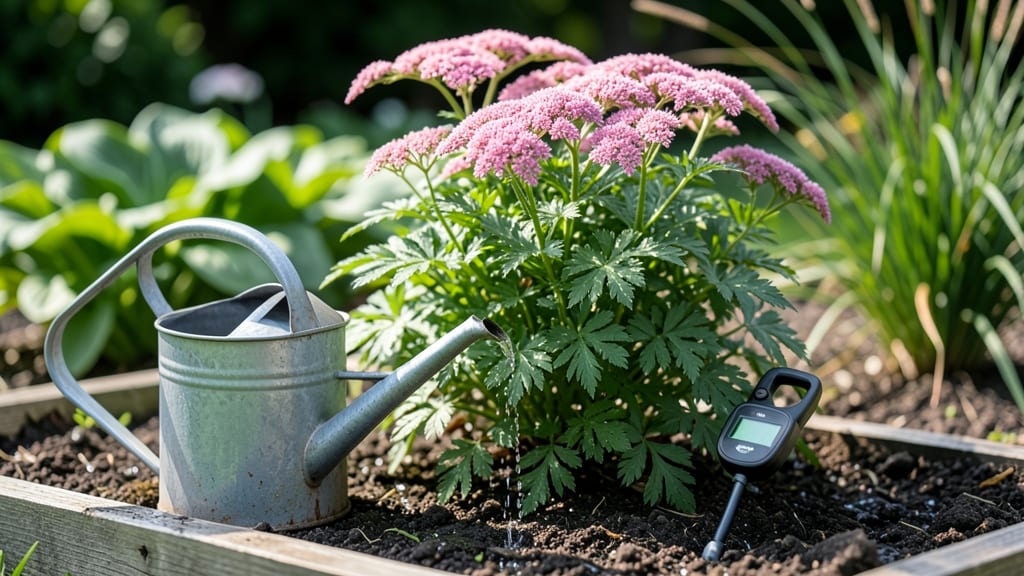
Your astilbe’s feathery plumes need the right water requirements to stay plump and vibrant 🌸—think of it as a delicate balance between hydration and avoiding soggy roots.
Struggling to keep your astilbe blooms lush and vibrant? The secret might be hiding in how—and how often—you water these feathery favorites. Get the moisture balance right, and you’ll transform floppy plumes into showstopping garden stars.
Too little water, and those delicate fronds wilt faster than a wilting salad. Too much, and you risk root rot, which turns your dreamy plants into sad, mushy messes. The key? Understanding when to water, how deeply, and what signs to watch for.
In this guide, I’ll break down the exact watering schedule for your astilbe’s season, from spring’s thirsty growth to winter’s gentle sip. Plus, I’ll share my top tips for mulching, drainage, and climate tweaks to keep your plants thriving all year.
How much water does astilbe need for optimal growth?
Astilbe thrives on consistent moisture—but striking the right balance is key. These feathery beauties love damp soil, yet waterlogged roots will send them into decline faster than you can say "wilting plumes." The trick? Mimic their natural woodland habitat where soil stays evenly moist but never soggy.
Think of astilbe's water needs like a spongy bath towel—keep it damp to the touch but not dripping. Young plants need more frequent watering, while established clumps can handle slightly longer dry spells. Your goal? 1-1.5 inches of water per week during growing season, adjusted for rain and heat.
Your astilbe's water needs shift dramatically with the seasons. During spring's active growth, aim for 1 inch of water weekly, increasing to 1.5 inches daily in summer's heat. Test soil moisture by sticking your finger 1-2 inches deep—if it feels dry, it's time to water.
In hot climates, astilbe may need daily watering during peak summer, especially in containers. I once watched my astilbe's plumes crisp up in 102°F heat—until I switched to drip irrigation in mornings. The difference was night-and-day for their resilience.
Watch for wilting fronds as a red flag for underwatering, but yellowing leaves signal overwatering. Both issues stem from poor drainage—amend heavy clay soil with compost or perlite to improve airflow. Mulch with 2-3 inches of organic matter to lock in moisture.
Container-grown astilbe dry out 3x faster than in-ground plants. Check soil daily in summer—if the top inch feels dry, water thoroughly until it drains from the bottom. Terracotta pots wick moisture fastest, while self-watering containers help maintain steady dampness.
Adjust your watering based on rainfall and humidity. In rainy seasons, reduce watering by half to prevent root suffocation. I learned this lesson the hard way when my astilbe developed mushy stems after two weeks of daily downpours—always prioritize drainage over frequency.
For newly planted astilbe, water deeply every 2-3 days until established (about 6 weeks). This encourages strong root development. Mature plants in partial shade need less frequent watering than those in hot, sunny spots—adjust based on your microclimate.
Pro tip: Use a moisture meter for precise readings. Aim for 40-50% moisture in the root zone. If your meter shows 70%+, you're overwatering; below 30% means it's time to hydrate. This simple tool prevents guesswork and saves your plants from stress.
Remember, consistency is key. Astilbe hate moisture swings—stick to your watering schedule, and those lush plumes will reward you with season-long color. With the right balance, your astilbe will thrive like a well-tended woodland queen 🌸💧.
Best watering techniques to keep astilbe blooms plump
Mastering the art of astilbe watering starts with understanding that these plants crave consistent moisture without becoming waterlogged. Unlike drought-tolerant succulents, astilbes have delicate root systems that need steady hydration to produce those plump, feathery plumes we all love. The key? Deep, infrequent watering that mimics natural rainfall patterns.
Your watering strategy should change with the seasons and container type. In-ground astilbes have easier access to soil moisture, while container-grown astilbes dry out faster and need more frequent attention.
I’ve tested both methods in my own garden, and the difference in bloom quality is night and day when done right.
Step-by-Step Astilbe Watering Guide
- Deep Watering: Water until moisture reaches 6-8 inches deep—use a trowel to check. This encourages roots to grow downward for stability. 10-15 minutes per plant is ideal.
- Morning Routine: Always water in the early morning (6-9 AM) to reduce evaporation and fungal risks. Avoid evening watering—wet foliage overnight invites powdery mildew.
- Mulch Magic: Apply 2-3 inches of mulch (shredded bark or straw) around the base to lock in moisture. Replenish every 3-4 months as it breaks down.
- Container Care: Check soil moisture daily in pots—containers dry out 2-3x faster than in-ground soil. Use self-watering pots in hot climates for consistency.
- Seasonal Adjustments:
- Spring/Summer: Water every 2-3 days during active growth.
- Fall: Reduce to weekly as growth slows.
- Winter: Water bi-weekly unless in freezing zones.
- Signs of Success: Healthy astilbes have deep green foliage and firm stems. Yellowing leaves or wilting plumes signal underwatering or overwatering—adjust immediately.
For container astilbes, I swear by adding a water-retaining gel to the soil mix—it’s a game-changer for hot afternoons. In my Zone 6a garden, this simple trick keeps my ‘Fanal’ astilbes blooming for weeks longer than neighbors’ plants.
The gel absorbs excess water and releases it slowly, mimicking nature’s rhythm.
One common mistake I see is surface watering—just a quick sprinkle at the base. This only wets the top inch of soil, leaving roots thirsty. Instead, use a soaker hose or watering wand to deliver moisture directly to the root zone.
Pro tip: Water until you see moisture seeping from drainage holes in containers.
Don’t forget to adjust for your climate. In humid regions like the Pacific Northwest, astilbes may need less frequent watering due to higher air moisture. But in dry climates like Arizona, you might need to water daily in summer to prevent browning fronds.
Always check soil moisture with your finger—1-2 inches deep should feel damp, not soggy.
With these techniques, your astilbe blooms will stay plump and perky from spring through fall. The secret isn’t just how much you water, but when and how consistently you do it.
Try these methods for 30 days, and you’ll notice the difference in your plants’ vigor and bloom quality. Happy watering! 💧