
Watering
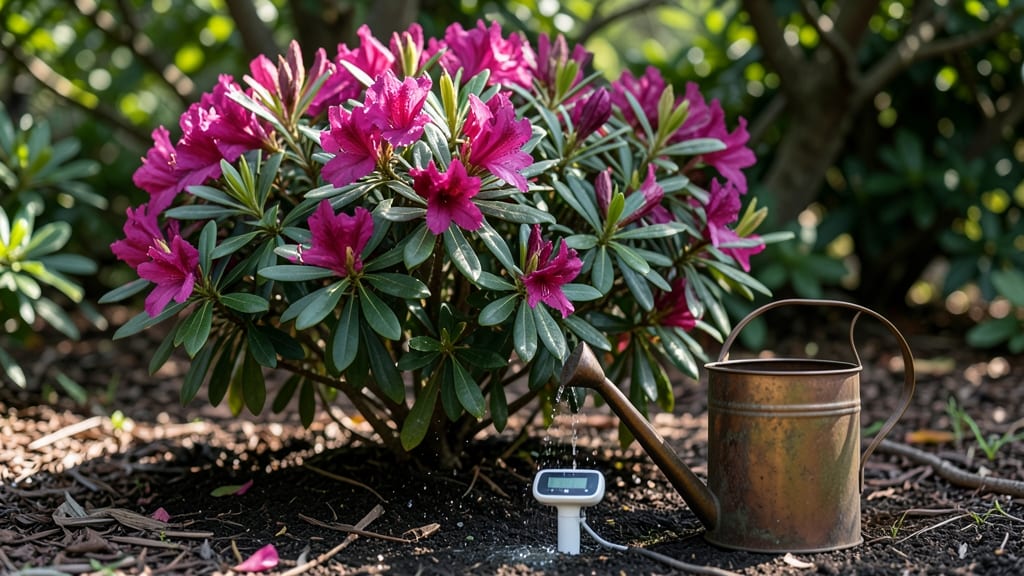
Your azalea water needs are simpler than you think—just 1 to 2 inches of moisture per week, and you’ll see those 🌸 blooms thrive like never before.
Struggling to keep your azaleas vibrant and blooming? The secret isn’t just in the soil or sunlight—it’s in how you water them. Mastering azalea water needs can transform your garden from lackluster to lush in just one season.
Too much water, and you risk root rot; too little, and your shrubs wilt. The key is consistency—deep, infrequent watering that mimics natural rainfall. Below, I’ll break down the 1-2 inch rule, seasonal adjustments, and how to spot when your azaleas are thirsty or drowning.
Ready to give your azaleas the perfect hydration? You’ll learn how to adjust for heat waves, clay soil, and container planting—plus, the one trick that saves time and keeps roots happy year-round.
Understanding the 1-2 inch watering rule for azaleas
Azaleas thrive when their roots receive consistent moisture without becoming waterlogged. The 1-2 inch watering rule means applying enough water to penetrate 1-2 inches deep into the soil—this ensures roots access hydration while preventing root rot from excess moisture.
Unlike drought-tolerant plants, azaleas demand predictability in their watering routine to support vibrant blooms and lush foliage.
This rule isn’t just about depth—it’s about frequency and timing. Watering deeply but infrequently encourages roots to grow deeper, making your azaleas more resilient. Shallow, frequent watering keeps roots near the surface, where they’re prone to drying out or drowning.
For most gardeners, this means watering every 5-7 days during peak growing seasons, but adjustments are key based on climate, soil type, and container vs. in-ground planting.
| Condition | In-Ground Azaleas | Potted Azaleas | Seasonal Adjustments |
|---|---|---|---|
| Water Depth | 1-2 inches deep | 1-2 inches deep (soak entire pot) | Deeper in summer heat |
| Frequency | Every 7-14 days | Every 5-7 days | Reduce in winter |
| Soil Test | Check 1-2 inches down | Stick finger 1 inch deep | Drier in fall/winter |
| Water Amount | 1-2 gallons per plant | 1/2 gallon per 6-inch pot | Increase in drought |
| Best Time | Morning (6-9 AM) | Morning (avoid evening) | Avoid midday heat |
To measure 1-2 inches of soil moisture, use a simple screwdriver or moisture meter. Insert it into the soil near the plant’s drip line (the outer edge of the canopy). If it meets resistance at 1 inch, your azalea is adequately hydrated.
If it slides in easily, water immediately. For potted azaleas, lift the pot—if it feels light, it’s time to water. Clay pots dry faster than terracotta, so monitor them closely.
Seasonal adjustments are critical. During spring and summer, when azaleas are actively blooming and growing, aim for weekly watering or more frequently in hot, dry climates.
In fall and winter, reduce frequency to every 2-4 weeks, as cooler temperatures slow root activity. Dormant azaleas (those without leaves or buds) need minimal water—just enough to prevent soil from drying out completely.
Overwatering is a silent killer for azaleas. Signs include yellowing leaves, moldy soil, or a foul smell near the base. If you notice these, pause watering and let the soil dry slightly before resuming. Underwatering causes wilting, crispy leaf edges, and drooping buds. If your azalea looks thirsty but the soil is dry, it’s a clear sign to increase frequency temporarily until the plant recovers.
For container-grown azaleas, drainage is non-negotiable. Ensure pots have drainage holes and use a well-draining mix (like 50% peat moss, 30% pine bark, and 20% perlite). Mulching with 2-3 inches of organic mulch (like pine straw or shredded bark) helps retain moisture and regulate soil temperature.
Apply mulch 2-3 inches away from the stem to prevent rot.
Rainwater is ideal for azaleas because it’s acidic and chemical-free, mimicking their natural habitat. If using tap water, let it sit overnight to off-gas chlorine. Avoid automatic sprinklers during blooming season—they can damage delicate flowers and encourage fungal diseases. Instead, use a soaker hose or drip irrigation to deliver water slowly and directly to the roots.
Pro tip: Group azaleas together in your garden to create a microclimate that retains moisture better. This mimics their native woodland understory, where they thrive under dappled shade and consistent humidity.
By following the 1-2 inch rule and adjusting for seasonality, you’ll give your azaleas the perfect hydration balance for vibrant blooms year after year.
Signs your azaleas are thirsty or overwatered (and how to fix it)
Your azaleas might be whispering for help through their leaves and soil. Wilting foliage or yellowing leaves are classic signs they’re either thirsty or drowning in too much water. The key is learning their subtle signals—like dry, cracked soil or mushy roots—to intervene before damage sets in.
Let’s decode these clues and restore your azaleas to their vibrant best.
First, check the soil moisture by sticking your finger 1-2 inches deep. If it feels bone-dry, your azalea is crying out for hydration. Conversely, if the soil stays soggy for days, you’re risking root rot, a silent killer.
Both extremes stress your plant, so balancing water is critical. Start by adjusting your routine based on what you observe.
Azalea Watering: Quick Fixes
- Dry soil 1-2" deep
- Wilting leaves (even in morning)
- Curling leaf edges
- Water deeply (1-2 gallons)
- Use morning watering only
- Add mulch to retain moisture
- Yellow leaves (bottom first)
- Mushy stems at base
- Foul soil smell
- Stop watering immediately
- Check drainage holes (pots)
- Repot if compacted soil
For underwatered azaleas, water until the soil is moist 6 inches down. Use a soaker hose or drip irrigation to deliver water slowly, preventing runoff. In containers, ensure pots have drainage holes and elevate them to avoid soggy bottoms.
Potted azaleas need watering every 5-7 days in summer, while in-ground plants may go 10-14 days between drinks.
If your azalea shows yellowing leaves or blackened stems, act fast. Gently loosen the soil around roots to improve airflow, and trim any mushy areas with sterilized shears.
Overwatering creates the perfect storm for fungal diseases, so prune affected branches to 1/4 inch above the healthy growth. This helps your azalea recover while preventing further spread.
Seasonal shifts matter too. In summer heat, increase watering frequency but avoid evening watering to deter fungal growth. During dormancy (fall/winter), reduce watering to every 3-4 weeks unless your region experiences frost.
Always water at the base of the plant, not the foliage, to keep leaves dry and healthy.
With these fixes, your azaleas will bounce back faster than you think. Monitor soil moisture weekly, adjust your watering routine, and soon you’ll have blooms that’ll make your neighbors green with envy! 🌸