
Plants
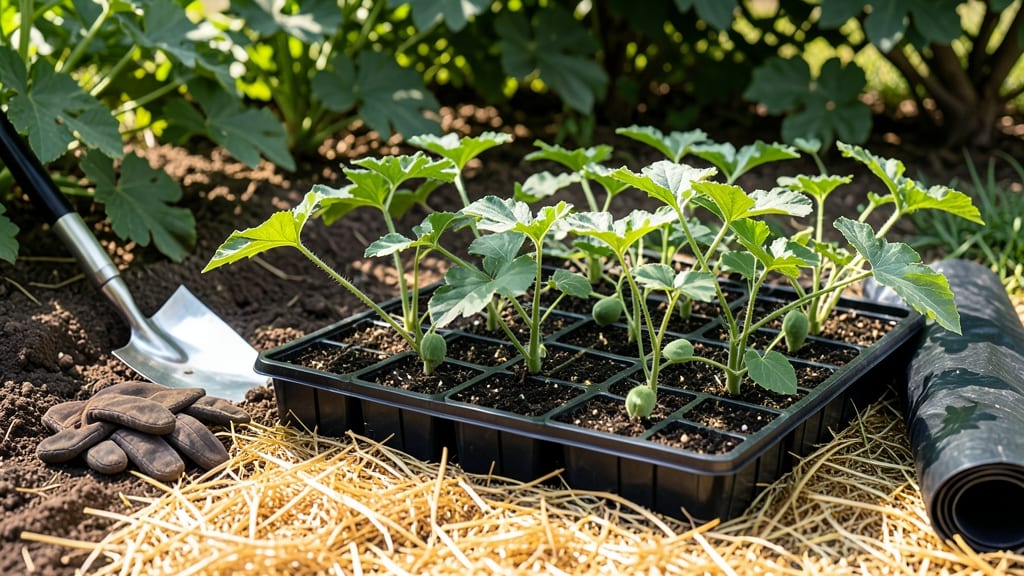
Planting watermelon in Ohio after the last frost—when soil temperatures hit at least 70°F—is the key to fast germination and a summer harvest.
Ohio’s unpredictable spring weather can make watermelon planting a guessing game—but timing your seeds based on soil temperature (not just air temp) can mean the difference between a bountiful harvest and a failed patch.
Most gardeners in USDA Zone 6a wait until mid-April to early May, but cold soil slows germination. A soil thermometer is your best friend here—waiting for that 70°F mark ensures your seeds sprout quickly and avoid rot.
In this guide, I’ll break down the best planting windows, how to test soil warmth, and the fastest-maturing varieties for Ohio’s shorter growing season so you can enjoy sweet 🍉 harvests by early September.
Ohio watermelon planting timeline: soil temperature rules for success
Ohio’s unpredictable spring can turn watermelon planting into a gamble, but soil temperature is the real secret weapon. Unlike air temperature, which fluctuates daily, soil warmth triggers germination and determines whether your seeds will sprout into thriving vines or rot in the cold ground.
For watermelons, the magic number is 50°F minimum, but ideal germination happens at 70°F or warmer. This rule applies across Ohio, but regional microclimates mean your exact planting window may vary by 2-3 weeks from north to south.
Southern Ohio (USDA zones 6b-7a) typically warms up faster, with last frost dates as early as April 15 in areas like Cincinnati or Columbus. Meanwhile, Northern Ohio (zones 5a-6a, like Cleveland or Toledo) often waits until May 1 or later.
The key is to monitor soil temperature daily once air temps hit 60°F+, because even a sunny day can leave cold soil lurking just inches below the surface.
Why soil temperature matters: Watermelon seeds need consistent warmth to germinate. Below 50°F, they may never sprout; between 50°F-60°F, germination slows to 7-10 days; and at 70°F+, you’ll see sprouts in just 3-5 days. Ohio’s short growing season (about 165 frost-free days) means every warm day counts—starting too early risks frost damage, while waiting too long cuts harvest time.
Here’s how Ohio’s three distinct planting zones break down for watermelon success, including seed-starting windows and transplanting tips to maximize your harvest:
| Zone | Last Frost Date | Soil Temp Trigger | Seed Start Window | Transplant Window | Harvest Window |
|---|---|---|---|---|---|
| Southern Ohio (Columbus, Cincinnati) | April 15 | 70°F+ (21°C) | April 10–25 (direct sow) | May 1–15 (transplants) | July 1–August 15 |
| Central Ohio (Dayton, Mansfield) | April 20 | 65°F+ (18°C) | April 20–May 5 | May 10–25 (transplants) | July 15–August 10 |
| Northern Ohio (Cleveland, Toledo) | May 1 | 60°F+ (15°C) | May 1–15 (direct sow) | May 20–June 1 (transplants) | August 1–September 1 |
🌱 Note: Use a soil thermometer (inserted 2" deep) to confirm temps before planting.
If you’re starting seeds indoors to jumpstart growth, begin 4-6 weeks before your zone’s last frost date. Southern Ohio gardeners can start seeds indoors by March 15, while Northern Ohio should wait until April 1.
Use biodegradable pots and transplant seedlings outdoors after soil hits 60°F+ to avoid shocking their roots. Harden off seedlings by placing them outdoors for 2-3 hours daily for a week before transplanting.
For direct sowing (the preferred method for watermelons), wait until soil is 70°F+ and all frost danger has passed. In Southern Ohio, this is typically mid-April, but Northern Ohio may not see these temps until late May.
To speed up soil warming, use black plastic mulch or a cold frame 1-2 weeks before planting. These tricks can add 5-10°F to soil temperature, helping seeds germinate faster in cooler zones.
Ohio’s short growing season demands efficiency, so choose fast-maturing varieties like ‘Sugar Baby’ (70 days) or ‘Crimson Sweet’ (80 days) to maximize harvests
How to test soil temperature and adjust planting for Ohio’s climate
Ohio’s unpredictable spring can leave gardeners guessing when to plant watermelon seeds. Unlike air temperature, soil temperature determines seed germination success. Watermelons need soil at least 70°F (21°C) to sprout reliably—waiting for this ensures strong starts even if nights stay cool.
In my experience, testing soil temperature saves time and frustration, especially in Ohio’s variable microclimates.
Before rushing to plant, grab a soil thermometer (digital or analog) and check temperatures at 4-inch depth—this mimics where seeds will germinate. Early mornings (before 10 AM) are ideal for testing because soil temps are most stable.
If your soil hasn’t hit 70°F by mid-May, consider using a cold frame or row covers to warm the soil faster. This trick extends Ohio’s short growing season by 2-3 weeks, giving watermelons more time to mature.
Step-by-Step: Testing Soil & Adjusting Planting
- Step 1: Purchase a soil thermometer ($10–$20) from garden centers or online. Opt for one with a 4-inch probe for accurate readings.
- Step 2: Test soil daily for 3–5 days in your planting area, checking early morning (6–8 AM) when temps are stable. Record the highest daily temp.
- Step 3: Wait until soil reaches 70°F (21°C) consistently for 3 consecutive days. This is your planting trigger for watermelons.
- Step 4: If soil is below 70°F by late May, use a clear plastic tunnel or black plastic mulch to raise temps by 5–10°F within days.
- Step 5: Plant directly in soil (watermelons hate transplants) after the last frost date (April 15 in Southern Ohio, May 1 in Northern zones). Space seeds 6 inches apart in hills.
- Step 6: For late varieties, sow a second batch in early June if your season runs long. Use fast-maturing types like ‘Sugar Baby’ (70 days) to ensure harvests before frost.
Ohio’s Northern zones (e.g., Cleveland, Toledo) often face cooler soils, while Southern regions (e.g., Cincinnati, Columbus) can plant earlier. For example, in Zone 6a, I’ve seen successful plantings as early as May 10 in protected beds, but unprotected soil may not warm enough until June 1.
To hedge your bets, plant half your seeds early in a cold frame and the rest outdoors after soil hits 75°F.
Extending Ohio’s short growing season requires creativity. After planting, use row covers to protect young vines from late frosts (unlikely after May 15 but possible in microclimates). For soil warmth, lay down black plastic mulch 1–2 weeks before planting—it can raise soil temps by 10°F+ and suppress weeds.
I’ve also had success with straw mulch after vines sprout to retain moisture and keep roots cool during Ohio’s humid summers.
Remember, watermelons thrive in heat, but Ohio’s summers can be unpredictably rainy. Once planted, ensure consistent moisture (1–2 inches per week) and watch for powdery mildew if humidity spikes. By monitoring soil temperature and adapting your approach, you’ll turn Ohio’s climate challenges into harvest victories. 🍉