
Watering
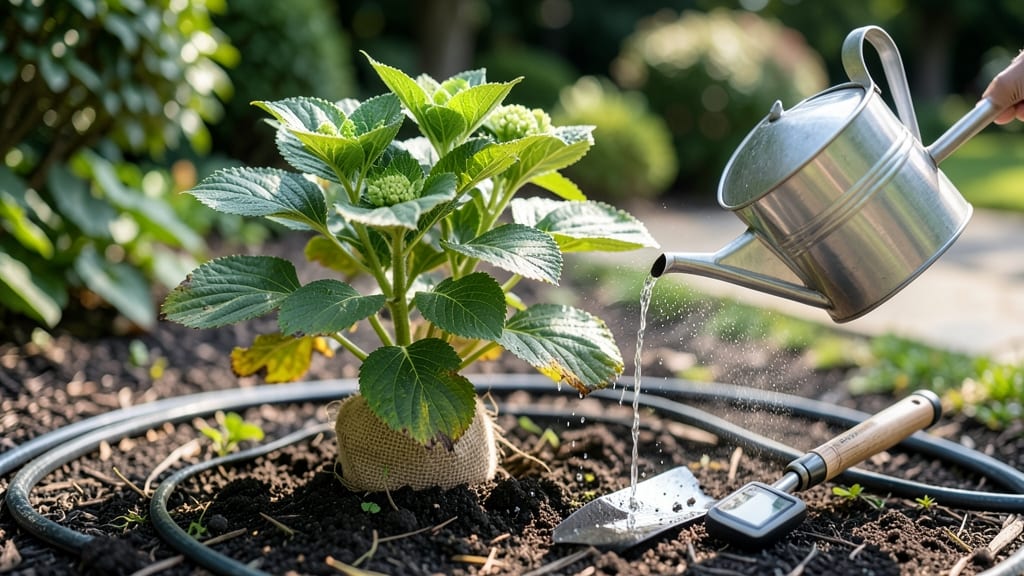
Watering schedule for new shrubs by growth stage (week 1-12)
New shrubs need consistent moisture during their first year to develop strong roots, but overwatering can suffocate them just as easily as underwatering. The key is understanding root development phases—each stage requires a different watering approach.
In the first 4 weeks, roots are fragile and need daily hydration, while by week 12, they’re established enough to handle less frequent deep watering.
Your shrub’s watering needs also shift with seasonal changes. Summer heat demands more frequent watering, while winter dormancy reduces needs. Always check soil moisture 1-2 inches below the surface before watering—this prevents both drought stress and root rot.
Use a soil moisture meter or the finger test (insert your finger; if dry, water).
Here’s a week-by-week breakdown of how often to water new shrubs, tailored to their growth stage and environmental conditions. Adjust for your climate (e.g., add 1-2 extra waterings in 90°F+ heat) and soil type (sandy soil drains faster than clay).
| Growth Stage | Week | Watering Frequency | Watering Depth | Notes |
|---|---|---|---|---|
| Initial Planting | 1–2 | Every 2–3 days | 1–2 inches deep | Keep soil consistently moist (not soggy). Use mulch to retain moisture. |
| Root Establishment | 3–6 | Every 3–5 days | 2–3 inches deep | Reduce frequency if rainfall exceeds 1 inch/week. Monitor for wilting. |
| Early Growth | 7–12 | Every 5–7 days | 3–4 inches deep | Encourage deep root growth with less frequent, deeper watering. |
| Seasonal Adjustments | All |
|
Adjust for rainfall and soil type. | Avoid watering at night to prevent fungal diseases. |
During the first 2 weeks, your shrubs are most vulnerable. Water deeply—aim for 1–2 gallons per shrub—to encourage roots to grow downward. Shallow watering leads to surface roots, which are weaker and more prone to drought.
Use a soaker hose or drip irrigation to deliver water slowly and evenly, reducing runoff.
By week 4, you’ll notice new growth as roots establish. This is when you can gradually reduce frequency but increase depth. For example, water every 3–4 days but soak the soil 3 inches deep.
This mimics natural rainfall patterns and strengthens the shrub’s resilience. Mulch with 2–3 inches of organic matter (like shredded bark) to lock in moisture and regulate soil temperature.
If your shrubs are planted in containers, they dry out faster. Check soil moisture daily in extreme heat and water every 2–3 days, even if the schedule suggests less.
Containers also benefit from self-watering systems or water-retaining granules. For ground-planted shrubs, focus on the base of the plant—avoid wetting leaves to prevent diseases like powdery mildew.
Watch for seasonal cues to adjust your schedule. In summer, increase frequency to every 2–3 days and water early in the morning (before 8 AM) to minimize evaporation.
In winter, reduce watering to every 10–14 days unless your region experiences freezing temperatures, which can disrupt soil moisture balance. Evergreen shrubs may need slightly more water in winter to combat dry air.
By week 12, your shrubs should have a strong root system and be better equipped to handle your local climate. At this stage, you can shift to a maintenance watering schedule—typically 1 inch of water per week, either from rainfall or irrigation.
However, newly planted shrubs (even at 12 weeks) still benefit from deep, infrequent watering until they reach 1–2 years old.
Pro tip: Group shrubs by water needs in your landscape design. For example, hydrangeas and azaleas thrive with consistent moisture, while lavender and rosemary prefer drier conditions. Customizing your watering zones saves time and ensures each plant gets the right care.
Always water at the base, not overhead, to promote root health and disease resistance.
Signs your new shrubs need more or less water (avoid over/underwatering)
New shrubs send subtle signals when their water needs aren't met. Yellowing leaves or drooping stems often mean roots are struggling—either from too much moisture suffocating them or too little causing dehydration.
The key is learning to read these cues before damage becomes permanent. I've seen many gardeners overcompensate by drowning plants after seeing wilting, only to create root rot.
Start by pressing your finger 1-2 inches into soil. If it feels dry, your shrubs need water. If it's soggy, hold off. Mulch helps retain moisture while preventing evaporation, but too much can trap excess water.
I always use 2-3 inches of organic mulch around my new shrubs to strike the right balance.
⚖️ Watering New Shrubs: Pros & Cons
✅ DO: Water Deeply
- Encourages deep root growth (1-2 inches into soil)
- Reduces surface evaporation (critical in hot climates)
- Prevents shallow roots (weakens plant structure)
Best for: Newly planted shrubs (first 3 months)
❌ DON'T: Water Shallowly
- Promotes weak roots (stays near surface)
- Increases fungal risk (moisture on leaves)
- Wastes water (evaporates quickly)
Avoid for: All shrubs (especially drought-sensitive varieties)
Pro Tip: Use a moisture meter for accuracy—especially in sandy soils that drain too fast.
Watch for leaf curl or crisp edges, which often signal underwatering. These signs appear first on older leaves as the plant prioritizes water to new growth. Root exposure is another red flag—if roots are visible above soil, they're desperate for moisture.
I once had a hydrangea nearly die because I ignored these early warnings until half its roots were exposed!
Overwatering shows up differently: Yellowing leaves with brown edges or a sour smell from the soil mean roots are drowning. If you're unsure, dig gently—healthy roots should be white or light tan, not black or mushy. Adjust your schedule immediately if you spot these signs, as recovery takes time.
Season matters too. In summer heat, I water my new shrubs every 2-3 days in the morning, while in fall, I reduce to weekly deep waterings. Always check soil moisture first—it's the most reliable indicator. Container shrubs dry out faster, so monitor them daily during hot spells.
Remember: Transplant shock makes shrubs extra sensitive to water changes. Stick to a consistent schedule for the first 6-8 weeks, then adjust based on the signs you observe. Patience pays off—healthy roots mean thriving shrubs for years to come! 🌱