
How To
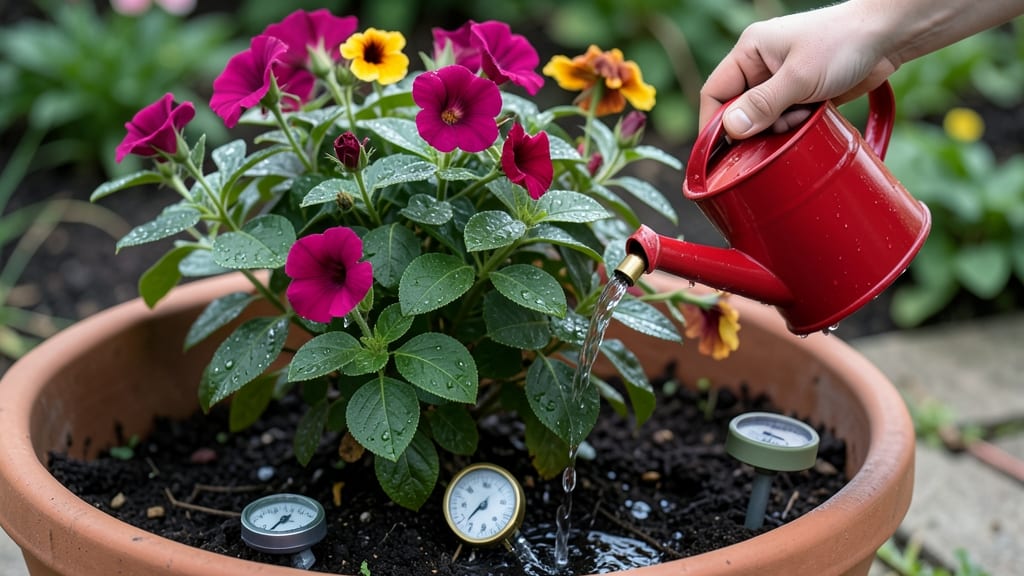
The perfect sunpatiens watering schedule by season and climate
Mastering the sunpatiens watering schedule is the key to those continuous blooms you adore. These heat-loving plants thrive on consistency, but their needs shift dramatically with seasonal changes and local climate.
In my USDA Zone 6 garden, I’ve learned that summer demands daily checks while winter barely needs a sip—but getting this wrong means drooping sunpatiens leaves or worse, root rot.
The golden rule? Water when the top 1-2 inches of soil feels dry to the touch. This simple soil moisture check works for both container sunpatiens and in-ground plantings. But here’s the catch: hot/dry climates (like Arizona) require more frequent watering than humid/mild zones (like the Pacific Northwest).
Let’s break it down by season so you can keep your plants hydrated without drowning them.
| Season | Hot/Dry Climate | Humid/Mild Climate | Soil Moisture Target | Pro Tip |
|---|---|---|---|---|
| Spring | Every 1-2 days | Every 2-3 days | Top 1 inch dry | Increase water as temps rise |
| Summer | Daily (morning) | Every other day | Top ½ inch dry | Mulch to retain moisture |
| Fall | Every 2-3 days | Every 3-4 days | Top 1-2 inches dry | Reduce as nights cool |
| Winter | Weekly (light) | Every 10-14 days | Top 2-3 inches dry | Let soil dry completely |
Let’s start with spring watering, when sunpatiens wake up from dormancy. In my Zone 6 garden, I begin watering every 1-2 days as soon as soil warms to 60°F+. The key is to water deeply—about 1 inch per week—to encourage strong root growth.
If you’re in a hot/dry climate, like Texas, you’ll need to water more frequently, sometimes daily by late spring. Always check the soil moisture before watering; if it’s damp just below the surface, wait another day.
Summer is when sunpatiens really drink. In hot/dry regions, I water my container sunpatiens every morning before 10 AM to prevent wilting. For in-ground plants, aim for 1-1.5 inches of water weekly, split into two sessions.
In humid climates, like Florida, reduce to every other day—overwatering here causes fungal diseases. Pro tip: Use a moisture meter or stick your finger 1 inch deep; if it feels dry, water.
Fall brings cooler temps and slower growth, so adjust your watering frequency accordingly. In my garden, I stretch watering to every 2-3 days in October, monitoring for yellowing leaves (a sign of overwatering).
If you’re in a mild climate, like California, you might only need water every 3-4 days. Always water at the base of the plant to avoid wetting foliage, which can lead to powdery mildew.
Winter care is all about reducing water. Sunpatiens in hot climates (like Arizona) may still need a weekly sip, while those in cold climates (like New England) can go 2-3 weeks without water.
The goal is to let the soil dry completely between waterings. If your sunpatiens are in containers, move them to a sheltered spot to protect roots from freezing temps.
Container sunpatiens dry out faster than in-ground plants, so check their soil daily in summer. A general rule: small pots (5-10 gallons) need water every 1-2 days, while large containers (15+ gallons) can go 2-3 days.
Always water until it drains from the bottom—this ensures roots get the moisture they crave. For in-ground sunpatiens, focus on deep watering every 2-3 days in summer, using a soaker hose to avoid wetting leaves.
One mistake I see often? Watering at night. Wet foliage stays damp overnight, inviting pests and diseases. Always water in the early morning so leaves have time to dry. Another tip: mulch heavily (2-3 inches of shredded bark or straw) to lock in moisture and keep roots cool.
This is especially critical in hot climates, where soil can dry out in hours.
Watch for signs of stress like drooping leaves (underwatering) or yellow stems (overwatering). Adjust your schedule
How to perform the finger test for sunpatiens (with visual guide)
Mastering the finger test for sunpatiens is your ticket to perfect watering—no guesswork needed. This simple method reveals exactly when your plants need hydration without drowning their roots.
I’ve used it for years to keep my sunpatiens blooming all summer long, and it’s the first step in avoiding both root rot and wilting.
The key is checking soil moisture at the right depth and recognizing the subtle resistance cues. Most gardeners overwater because they check the surface, where moisture lingers even when roots below are parched. Let’s fix that with a foolproof, step-by-step approach that works for both container-grown and in-ground sunpatiens.
Test soil in the morning (after evening watering has absorbed) or late afternoon (before evening watering). Avoid testing after recent rain or watering.
For containers, insert your finger 1-2 inches deep near the plant’s base. For in-ground sunpatiens, check 2-3 inches deep—this is where roots actively seek moisture.
Press your finger gently into the soil. If it feels dry and crumbly, it’s time to water. If it’s slightly damp (like a wrung-out sponge), wait another day. Muddy or sticky soil means overwatering.
In hot/dry climates, soil dries faster—test daily in peak summer. In humid/mild areas, check every 2-3 days. Containers dry out quicker than in-ground plants, so monitor them more frequently.
When watering, soak the soil until it’s moist 2-3 inches deep. Use a slow watering method (like drip irrigation or a watering can) to avoid runoff. Morning watering prevents fungal issues from evening moisture.
Avoid these common mistakes that throw off your finger test results: Testing surface soil (it’s misleadingly damp), ignoring container size (small pots dry out faster), or skipping tests during cloudy weather (sunpatiens still need moisture).
I once killed a batch of sunpatiens by assuming they were fine because the topsoil looked wet—until I realized the roots were bone-dry below.
Pro tip: Keep a watering journal for your sunpatiens. Note the date, time, and depth of your finger tests, along with weather conditions. Over time, you’ll spot patterns—like how your sunpatiens in full sun need water every other day while those in partial shade thrive on 3-day intervals.
This data turns guesswork into a science.
With practice, the finger test becomes second nature, and your sunpatiens will reward you with continuous blooms all season. Start today—grab a finger, dig in, and give your plants the perfect hydration balance they deserve. 🌸