
Companion Plants
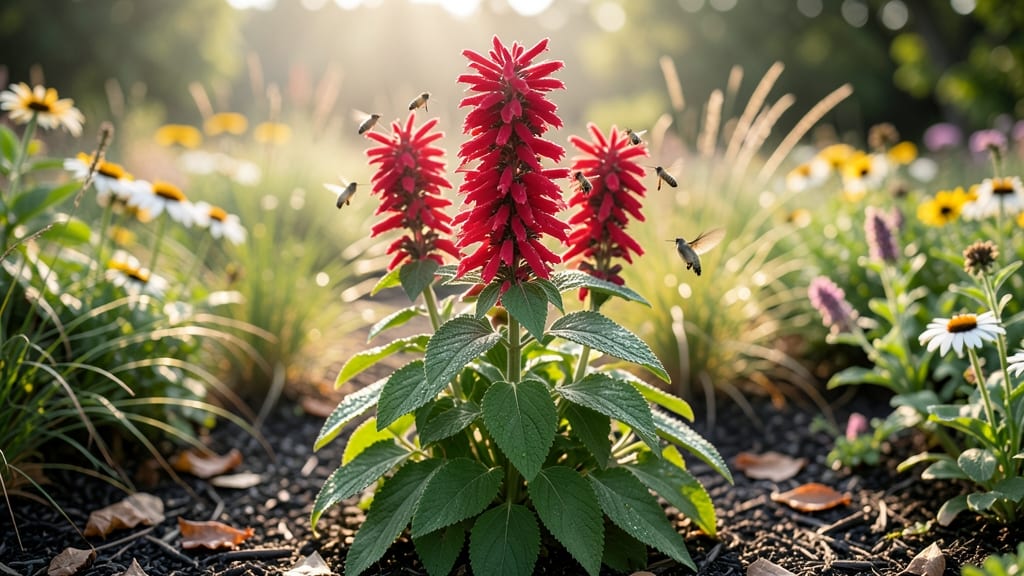
Growing bee balm perennials turns your garden into a hummingbird highway. 🌿 The secret lies in matching its love of sun and moisture with the right soil—sandy loam that drains well but stays damp. I’ve watched mine explode into vibrant red spikes by midsummer, attracting pollinators nonstop.
Start with healthy divisions or young plants in early spring, spacing them 18-24 inches apart for airflow. Bee balm thrives in full sun to partial shade, but too much shade means fewer blooms. Amend clay soil with compost to prevent root rot, and mulch to keep moisture steady.
Prune back spent blooms in early fall to encourage next year’s growth, but leave some seed heads for winter interest. The fragrant leaves make it a double winner—beautiful and useful—whether you’re brewing tea or watching hummingbirds sip nectar.
Hardy in zones 4-9, bee balm rewards patience with years of color. Just avoid overwatering in winter—this perennial knows how to tough it out. Ready to plant yours?
📚 In This Guide
- What you need
- Instructions
- Tips and common mistakes
- Wrapping up and next steps
What you need
- ● Bee balm plants: 1–3 Monarda plants (choose varieties like Monarda didyma for vibrant blooms or Monarda fistulosa for drought tolerance). Seeds (if starting from scratch): 1–2 packets (~50–100 seeds per packet).
- ● Soil: Well-draining, moist, and slightly acidic to neutral soil (pH 6.0–7.0). Amend heavy clay with compost or sand.
- ● Fertilizer: Balanced, slow-release granular fertilizer (10-10-10) or organic compost (1–2 cups per plant).
- ● Mulch: Organic mulch (e.g., shredded bark or straw) to retain moisture and suppress weeds (2–3 inches thick).
- ● Gardening tools: Trowel or hand shovel (for transplanting seedlings or dividing clumps).
- ● Garden gloves (to protect hands from prickly stems).
- ● Pruners (sharp, clean pair for trimming dead blooms or dividing plants).
- ● Watering supplies: Watering can, hose with adjustable nozzle, or drip irrigation system.
- ○ Optional but helpful: Plant markers (to label varieties).
- ● Stakes or cages (for tall varieties like Monarda didyma to prevent flopping).
- ● Pest control: Neem oil or insecticidal soap (if aphids or powdery mildew appear).
- ● Sunlight: Full sun to partial shade (6+ hours of direct sun daily for best blooms).
- ● Spacing: Plant 18–24 inches apart (check variety-specific needs).
- ● Climate: Hardy in USDA zones 4–9 (adjust watering in extreme heat or cold).
- ● Time: 10–30 minutes for planting; ongoing care for watering, pruning, and maintenance.
Step-by-Step guide to planting and caring for bee balm perennials
Here’s how to grow a thriving bee balm garden that attracts hummingbirds and fills your yard with fragrance.
🌱 Step 1: Choose the Perfect Planting Spot
Bee balm thrives in full sun to partial shade, with at least 4-6 hours of direct sunlight daily. I always pick a spot where it can get morning sun and afternoon shade—this prevents the leaves from scorching in hot climates. The soil should drain well, but bee balm tolerates a range of conditions, from moist to slightly dry.
Dig a hole twice as wide as the root ball but only as deep. Loosen the soil at the bottom to encourage root spread. If your soil is heavy clay, mix in a handful of compost to improve drainage. Bee balm loves rich soil, so a little organic matter goes a long way.
🪴 Step 2: Plant and Water Thoroughly
Gently remove the plant from its container and place it in the hole, ensuring the top of the root ball sits level with the surrounding soil. Fill in around the roots with soil, pressing lightly to remove air pockets. Water deeply right after planting to help settle the soil and encourage root growth.
Use 1-2 gallons of water per plant to ensure the roots get fully hydrated. You’ll know it’s enough when water runs out the drainage holes if you’re using containers. Avoid letting the soil stay soggy, though—bee balm hates waterlogged roots.
☀️ Step 3: Mulch and Fertilize for Long-Term Growth
Spread a 2-inch layer of mulch around the base of the plant, keeping it a few inches away from the stem. I use shredded bark or straw mulch because it breaks down slowly and retains moisture. This helps keep the soil cool in summer and reduces weeds.
Apply a balanced, slow-release fertilizer in early spring to give your bee balm a nutrient boost. Look for a formula with equal parts nitrogen, phosphorus, and potassium (like 10-10-10). Follow the package instructions for application rates, but I’ve found that bee balm doesn’t need much—too much fertilizer can lead to lush foliage but fewer flowers.
✂️ Step 4: Prune and Deadhead for Continuous Blooms
Once the flowers fade, snip them off just above a set of leaves to encourage more blooms. This keeps your bee balm looking neat and promotes continuous flowering throughout the season. I deadhead mine every 2-3 weeks during peak bloom time.
In late fall or early winter, cut the stems back by about one-third to shape the plant and remove any dead or diseased foliage. This helps the plant stay tidy and prepares it for next year’s growth. Avoid heavy pruning in early spring, as bee balm grows quickly and benefits from an early start.
💧 Step 5: Water and Maintain Through the Seasons
Bee balm is drought-tolerant once established, but young plants need consistent moisture. Water deeply 1-2 times per week during the first growing season, especially if you’re in a hot, dry climate. Let the top 1-2 inches of soil dry out between waterings to prevent root rot.
In winter, reduce watering significantly—bee balm goes dormant and only needs a drink if the weather is unusually dry. If you’re in a cold climate, a light mulch layer helps protect the roots from freezing temperatures.
Tips & tricks for perfect bee balm perennials
Growing bee balm doesn't have to be a guessing game—these simple tricks will help you nurture a thriving, fragrant garden that hummingbirds will love.
Location is Everything: When selecting your planting spot in Step 1, prioritize areas with morning sun and afternoon shade to prevent leaf scorching. I’ve found that east-facing spots work beautifully in hot climates, giving plants the light they need without the midday intensity. If your yard only gets full sun, consider planting near taller shrubs or trees that provide natural shade in the afternoon.
Soil Prep Secret: In Step 1, if your soil is heavy clay, don’t just add compost—mix in a handful of perlite or coarse sand too. This improves drainage while maintaining moisture retention. Bee balm roots need that balance, and this combo prevents both waterlogging and drought stress. I’ve seen plants thrive in clay soil after this simple tweak, even in areas with heavy rainfall.
Watering Wisdom: The 1-2 gallons of water in Step 2 should go directly to the root zone, not the leaves. Use a watering can with a narrow spout or a soaker hose to deliver water slowly and evenly. This prevents fungal issues and ensures roots get properly hydrated. I water mine in the early morning so the foliage dries quickly, reducing the risk of mildew.
Pruning Pro Tip: When deadheading every 2-3 weeks in Step 4, use clean, sharp pruners to avoid damaging stems. Cut just above a set of leaves to encourage new growth and more blooms. I always sterilize my pruners with rubbing alcohol between cuts to prevent spreading disease—it’s a small step that makes a big difference in plant health.
Pro Tips for Bee Balm Perennial
- Growing bee balm doesn't have to be a guessing game—these simple tricks will help you nurture a thriving, fragrant garden that hummingbirds will love.
- Location is Everything: When selecting your planting spot in Step 1, prioritize areas with morning sun and afternoon shade to prevent leaf scorching.
- Soil Prep Secret: In Step 1, if your soil is heavy clay, don’t just add compost—mix in a handful of perlite or coarse sand too.
Frequently asked questions
How do I keep my bee balm from flopping over?
Bee balm’s tall stems can lean or flop, especially in shady spots or after heavy rain. To keep it upright, plant it in full sun (6+ hours of light) and space stems 12–18 inches apart. For extra support, tuck it near a fence or trellis, or prune leggy stems in early spring to encourage bushier growth.
When is the best time to divide bee balm?
Divide your bee balm every 3–4 years in early spring (before new growth starts) or fall (after flowering). Choose a cloudy day, dig up the clump, and separate the roots with a clean knife. Replant divisions 18–24 inches apart—they’ll thrive with minimal stress!
Why aren’t hummingbirds visiting my bee balm?
Hummingbirds love bee balm, but a few factors might deter them:
- Timing: Bloom in late spring/early summer (red/pink varieties) or summer (purple/white). Plant early to align with hummer migration.
- Location: Place it near water sources (hummingbirds drink often!) and avoid windy spots.
- Pests: Aphids can block nectar. Spray with soapy water if you spot them.
Pro tip: Add bee balm companions like salvia or coneflowers for a hummingbird buffet!
Can I grow bee balm in containers?
Bee balm thrives in 12–18-inch pots with well-draining soil and regular watering. Choose compact varieties like ‘Marshmallow’ or ‘Lemon Mint’ for smaller spaces. Place containers in sunny spots and fertilize lightly in spring—just avoid overwatering (root rot is a risk!).
How do I prevent powdery mildew on my bee balm?
Powdery mildew (white fungal spots) strikes in humid, shaded conditions. To prevent it:
- Space plants 18+ inches apart for airflow.
- Water at the base (avoid wetting leaves).
- Prune crowded stems in early summer to improve circulation.
If mildew appears, spray with a baking soda mix (1 tsp baking soda + 1 quart water + a drop of soap) or use neem oil.
What’s a good alternative if I can’t grow bee balm?
If your climate is too hot/dry (bee balm prefers cool summers) or you’re dealing with pests, try these hummingbird-friendly swaps:
- Butterfly weed (Asclepias tuberosa) – Drought-tolerant and pollinator-magnet.
- Cardinal flower (Lobelia cardinalis) – Thrives in moist soil; bold red blooms.
- Coral bells (Heuchera) – Fragrant leaves + colorful foliage (great for shade).
All three attract hummingbirds and butterflies!
Wrapping up and next steps
Growing bee balm perennial is a rewarding way to attract pollinators, add vibrant color to your garden, and enjoy fragrant foliage year after year! 🌸 Whether you're a seasoned gardener or just starting, this hardy plant thrives with minimal fuss—just provide the right spot, a little water, and occasional care. Now’s the perfect time to plant and watch your garden buzz with life!
Ready to get started? Pick a sunny spot, grab your bee balm seeds or plants, and give your local ecosystem a boost! 🐝✨