
Plants
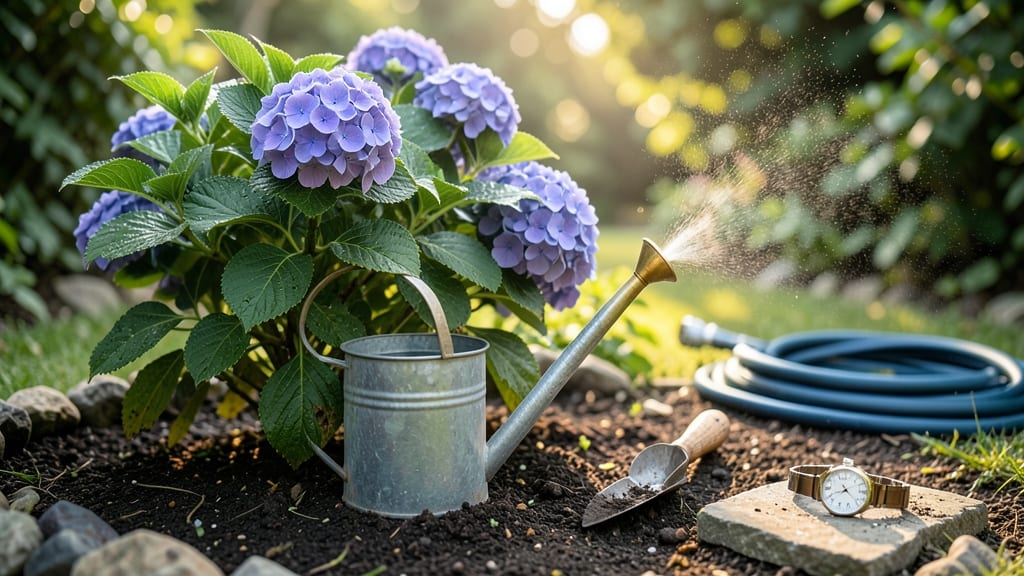
Watering your plants at the best time of day makes all the difference—whether you’re battling wilting leaves or wasting gallons of water.
Picture this: you’ve just spent an hour tending to your garden, only to realize the water you poured in the heat of the afternoon vanished before the roots could drink it.
Or worse, those damp leaves at dusk become a buffet for fungal spores. Timing isn’t just about convenience—it’s about keeping your plants healthy and your water bill low.
Most gardeners swear by early morning watering, when evaporation is minimal and roots soak up moisture before the sun peaks. But what if you’re in a humid climate or caring for drought-resistant succulents?
The rules shift. This guide cuts through the confusion, so you know exactly when to water—whether you’re in Zone 6a or beyond—and how to adjust for your 🌱 General Plant’s needs.
You’ll learn the science behind morning vs. evening watering, when to break the rules for specific plants, and pro tips to water smarter, not harder. Let’s get your garden thriving—without the guesswork.
Morning watering vs. evening watering: the science behind the best time
Choosing the right time to water your plants isn't just about convenience—it's about maximizing water absorption and minimizing waste. Morning watering (before 10 AM) allows roots to soak up moisture before the sun intensifies, while evening watering (after 6 PM) can reduce evaporation but increases fungal risks.
The best time depends on your climate zone, plant types, and even the season. For example, succulents thrive with morning watering in arid climates, while tropical plants may benefit from evening sessions in humid areas.
Science shows that evaporation rates can differ by up to 30% between morning and afternoon. In hot, dry climates like USDA Zone 9, watering in the early morning can save 20-30% more water compared to midday.
Meanwhile, in cooler, wetter regions like Zone 5, evening watering might be preferable to avoid fungal diseases like powdery mildew. Let’s break down the key factors to help you decide what works best for your garden.
Evaporation loss, fungal risk, and root uptake efficiency are the three critical factors that determine the best watering time. Below, we compare morning and evening watering across different conditions to help you make an informed choice for your plants.
For succulents and vegetables, morning watering is almost always the best choice. These plants thrive with deep, infrequent watering, and morning sessions allow their roots to absorb moisture before the heat of the day causes evaporation.
For instance, tomatoes and peppers in Zone 9 gardens grow 20% faster when watered in the morning compared to evening. The key is to water at the soil level, not the leaves, to prevent fungal spores from spreading.
On the other hand, tropical plants like orchids and ferns often prefer evening watering, especially in humid climates. These plants benefit from the cooler temperatures of the evening, which reduce stress. However, be cautious—evening watering can lead to powdery mildew if leaves stay wet overnight.
To mitigate this, water before 6 PM and avoid overhead sprinkling. For container gardens, morning watering is still ideal because pots heat up quickly and lose moisture faster.
Seasonal shifts also play a critical role. In summer months, morning watering is almost always the winner due to high evaporation rates. But in winter, when temperatures drop and evaporation slows, evening watering can be just as effective—especially in Zone 5 or colder.
Always adjust your watering schedule based on the weather forecast. For example, if a heatwave is predicted, switch to morning watering immediately to protect your plants from dehydration.
If you’re still unsure, consider using a soil moisture meter to check when your plants truly need water. This tool removes the guesswork and ensures you’re watering at the optimal time for your specific soil and plant types.
Pair it with a mulching strategy, like straw or wood chips, to retain moisture and reduce evaporation by up to 30%. Whether you choose morning or evening, consistency is key—stick to a schedule that works for your garden’s unique conditions.
Remember, the best time to water isn’t just about the clock—it’s about understanding your plants’ needs and adapting to your environment. Experiment with both morning and evening watering to see what yields the best results for your garden.
With the right approach, you’ll not only save water but also promote healthier, more resilient plants.
🌱
When to break the rules: exceptions for specific plants and climates
While early morning watering is the golden rule for most gardens, some plants and climates demand unconventional timing. Desert succulents and tropical orchids often thrive on schedules that defy standard advice.
The key is understanding how humidity levels, temperature extremes, and root structures interact with your watering routine. Let’s explore when—and why—you should bend the rules for your unique garden setup.
For example, hydroponic systems often require nighttime watering to maintain consistent moisture levels without evaporation. Meanwhile, arid climates like those in Arizona might call for midday watering to prevent root rot from lingering moisture.
These exceptions aren’t just quirks—they’re rooted in science. Let’s break down the plants and conditions where timing truly matters.
- 🌵 Succulents & Cacti: Water midday in desert climates to mimic natural rainfall patterns and reduce fungal risks from evening moisture.
- 🌿 Tropical Orchids: Prefer evening watering in humid zones to avoid leaf scorch from morning sun exposure.
- 🍊 Citrus Trees: Benefit from late afternoon watering to encourage deep root growth and drought resistance.
- 🌸 Hydrangeas: Thrive with nighttime watering in hot climates to prevent blossom burn from daytime heat.
- 💧 Hydroponic Crops: Require consistent 24/7 moisture—no "best time" exists; automated systems are a must.
Climate zones also dictate when to break the rules. In Zone 10 (tropical), evening watering is ideal to combat high humidity and fungal diseases. Conversely, Zone 4 (cold winters) may require morning watering in summer but a switch to midday in winter to prevent ice buildup.
Always adjust based on seasonal shifts—what works in July might fail in January.
Another critical exception? Container gardens in urban areas often need watering at different times than in-ground plants. Pots dry out faster, so late afternoon watering can prevent root stress without inviting pests.
Meanwhile, shade-loving plants like ferns may tolerate evening watering better than sun-worshippers, as they lack the protective waxy coatings of desert species.
Don’t forget rainwater harvesting systems, which often deliver water at unpredictable times. If your setup relies on collected rain, timing becomes less critical—just ensure the soil can absorb moisture before it pools. For these systems, mulching becomes even more vital to regulate moisture retention.
Ultimately, the best time to water isn’t always 6 AM. It’s the time that aligns with your plant’s natural rhythms, your local climate’s quirks, and your garden’s unique needs. Experiment, observe, and adjust—your plants will thank you with healthier growth and fewer surprises. 🌱