
Plants
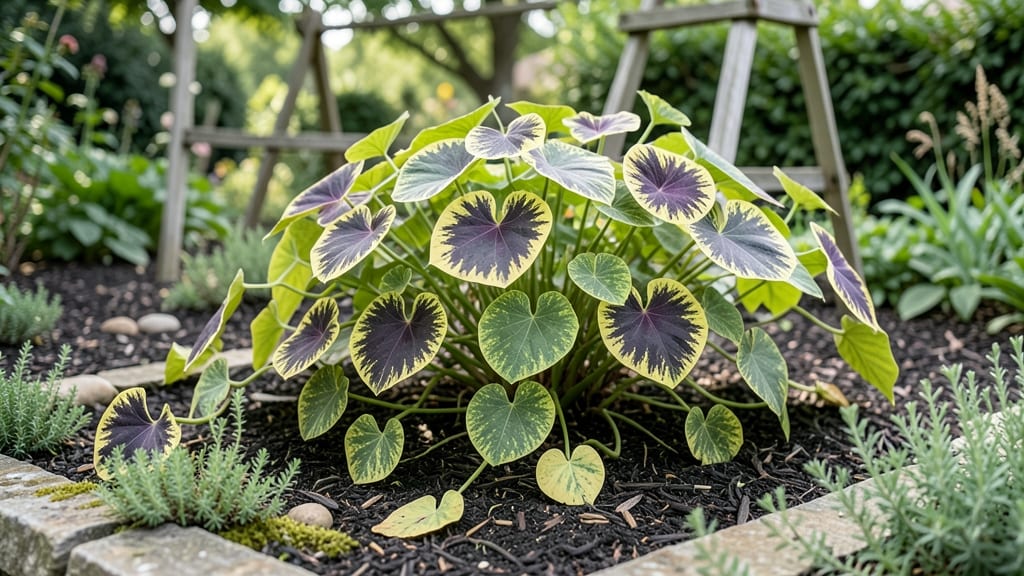
Growing a black-eyed Susan vine perennial transforms any fence or trellis into a drought-proof purple-and-yellow explosion. 🌿 I learned the hard way that this vine thrives in heat and neglect—until I finally gave it the right conditions, and now it’s the star of my summer garden, blooming nonstop from June to frost.
The secret lies in its love of full sun and well-draining soil—no fancy amendments needed. A simple mix of garden soil and compost works, and watering just once a week (unless it’s scorching) keeps it happy.
It’s the kind of plant that rewards patience: those bold purple spikes appear faster than you’d expect once established. By midsummer, you’ll have a vibrant, hummingbird-magnet vine that climbs effortlessly.
The flowers last all season if you deadhead spent blooms, and the glossy green leaves stay lush even in dry spells. It’s the perfect low-maintenance stunner for any sunny spot.
Works in zones 10-11 as a perennial, but most gardeners grow it as an annual—though I’ve had it bounce back in mild winters. Here’s how to keep it thriving all season long!
📚 In This Guide
- What you need
- Instructions
- Tips and common mistakes
- Wrapping up and next steps
What you need
- ● Black Eyed Susan Vine Seeds or Seedlings: 5–10 seeds (if starting from scratch) or 2–3 healthy seedlings (for faster results).
- ● Pro tip: Choose seeds labeled for perennial varieties if available in your climate zone (zones 10–11).
- ● Well-Draining Potting Mix or Garden Soil: 5–10 gallons (for containers) or amended garden bed soil (mix in compost for nutrients).
- ○ Optional: Add perlite or sand (1 part) to improve drainage if your soil is heavy clay.
- ● Containers (if not planting in-ground): 5–10 gallon pots with drainage holes (1–2 plants per container).
- ● Material: Terracotta (breathable) or plastic (retains moisture).
- ● Watering Can or Hose with Gentle Nozzle: For consistent moisture without over-saturating.
- ○ Gloves (Optional but Recommended): Protects hands from soil and thorns (if handling mature vines).
- ● Trellis, Arbor, or Pergola: 6–10 feet tall (vines can climb 10+ feet!).
- ● DIY hack: Use a sturdy wooden fence or metal lattice if no trellis is available.
- ● Fertilizer (Balanced or Low-Phosphorus): 5–10–5 or 10–10–10 NPK ratio (follow package instructions for dosage).
- ● Organic alternative: Compost tea or worm castings (1 cup per plant monthly).
- ● Sunlight: Full sun (6+ hours daily) for optimal blooms. Partial shade (4–6 hours) works but may reduce flowering.
- ● Climate Zone: Hardy in USDA zones 10–11 as a perennial. In cooler zones, grow as an annual or overwinter indoors.
- ● Watering Schedule: Keep soil evenly moist (not soggy) during germination/growth. Reduce watering once established (drought-tolerant!).
- ● Pruning Tools: Bypass pruners (for clean cuts) or sharp scissors (for deadheading).
- ● Safety note: Wear gloves—vines can be prickly!
- ● Mulch (2–3 inches of straw or wood chips) to retain moisture and suppress weeds.
- ● Slow-release fertilizer tablets for hassle-free feeding.
- ● Plant markers (to track varieties if testing multiple colors).
- ● Garden twine or soft ties to secure young vines to trellises.
- ● Pest control: Neem oil spray (preventative for aphids or spider mites).
Step-by-step instructions for planting and caring for black-eyed Susan vine perennial
Here’s how to establish this drought-tolerant beauty in your garden—where it thrives with minimal fuss.
🪴 Step 1: Choose the Right Location and Prepare the Soil
Black-eyed Susan vine (Thunbergia alata) loves full sun—at least 6 hours daily—but tolerates light shade in hotter climates. I always pick a spot with afternoon shade if your summers hit 90°F+, as the leaves can scorch otherwise. The vine climbs naturally, so place it near a trellis, fence, or sturdy post at least 6 feet tall—it’ll reach 10-12 feet with proper support.
This plant thrives in well-draining soil but isn’t picky about pH. Amend heavy clay by mixing in 2-3 inches of compost into the top 12 inches of soil. Dig a hole twice as wide as the root ball but only as deep—planting too deep suffocates the roots. Loosen the sides of the hole to encourage root spread.
🌱 Step 2: Plant and Water In Thoroughly
Remove the vine from its container and gently tease apart any circling roots. Place it in the hole so the top of the root ball sits level with the soil surface—burying the crown too deep causes rot. Backfill with native soil, pressing lightly to eliminate air pockets. Water immediately after planting to settle the soil and eliminate gaps.
Give the vine 1 inch of water weekly during establishment (first 4-6 weeks). This drought-proof plant hates soggy roots, so ensure the soil drains well. Mulch with 2 inches of shredded bark around the base (but not touching the stem) to retain moisture and suppress weeds. Avoid heavy mulch—it can smother the vine’s shallow roots.
☀️ Step 3: Provide Support and Encourage Climbing
The vine’s purple, trumpet-shaped blooms will only shine if it has something to climb. Install a 5-6 foot trellis or use a sturdy fence within 2 weeks of planting—young vines need early support to grow upward. I tie the main stems loosely to the trellis with soft garden twine every 6-8 inches as they grow. Avoid tight ties—they’ll strangle the stems as they thicken.
Watch for new growth in 3-4 weeks—that’s your cue to fertilize lightly with a balanced 10-10-10 formula (½ strength). Over-fertilizing leads to lush foliage but fewer flowers. Prune back any leggy growth in early summer to encourage bushier, flower-heavy vines. Deadhead spent blooms regularly to prolong flowering until first frost.
💧 Step 4: Maintain Through Seasons for Year-Round Interest
Once established, Black-eyed Susan vine is drought-tolerant but still needs 1 inch of water every 2 weeks in dry spells. You’ll know it’s thirsty when the leaves curl slightly or the vine growth slows. Water deeply at the base—avoid wetting the foliage to prevent fungal issues.
In winter, the vine may die back in colder zones (below Zone 9). Cut back dead stems to 4 inches in early spring. New growth emerges from the roots, so don’t worry if it looks dormant. In warmer climates, it may bloom year-round with minimal care—just keep it pruned and supported.
✂️ Step 5: Prune and Propagate for Fuller Growth
Prune in early spring to shape the vine and remove any weak or crossing stems. I cut back one-third of the oldest growth to encourage fresh, vigorous shoots. This also prevents the vine from becoming woody and leggy over time. Wear gloves—this plant has mildly irritating hairs that can cause skin reactions.
To propagate, take 4-6 inch cuttings from healthy stems in early summer when growth is active. Dip the cut end in rooting hormone and plant in a pot with sandy potting mix. Keep the soil moist and place in bright, indirect light until roots form (4-6 weeks). Transplant outdoors after hardening off for 10-14 days.
Tips & tricks for perfect black-eyed Susan vine planting
Here's what nobody tells you about making this vibrant climber thrive in your garden with minimal effort.
Location is Everything: While the instructions mention full sun, I've found that in Zone 9 and above, afternoon shade is crucial when temperatures hit 90°F+. The leaves can develop brown spots if exposed to intense afternoon sun during heatwaves. If you don't have natural shade, consider installing a shade cloth (30-50%) during peak summer months.
Root Ball Prep: When removing the vine from its container, I always soak the root ball for 10-15 minutes before planting. This helps prevent transplant shock and encourages roots to spread immediately into the surrounding soil. Gently squeezing the sides of the container helps loosen any circling roots without damaging them.
Support Setup: Don't wait until the vine is struggling to install support! Set up your 5-6 foot trellis or fence within 2 weeks of planting, as instructed. I recommend using a trellis with diamond-shaped openings—this gives the vine more surface area to cling to and prevents the stems from getting tangled. Use soft garden twine or even old tights for tying, as these are gentler than plastic ties.
Watering Wisdom: The 1 inch weekly watering during establishment is non-negotiable, but how you water matters just as much. I use a soaker hose buried slightly below the soil surface to deliver water directly to the roots. This prevents wetting the foliage (which can cause fungal issues) and ensures even moisture distribution. Water in the morning to allow foliage to dry during the day, reducing disease risk.
Pro Tips for Black Eyed Susan Vine Perennial
- Here's what nobody tells you about making this vibrant climber thrive in your garden with minimal effort.
- Location is Everything: While the instructions mention full sun, I've found that in Zone 9 and above, afternoon shade is crucial when temperatures hit 90°F+.
- Root Ball Prep: When removing the vine from its container, I always soak the root ball for 10-15 minutes before planting.
Frequently asked questions
Got questions about growing and caring for your Black Eyed Susan Vine perennial? You’re not alone! Here are some of the most common queries—plus quick, expert-backed answers to keep your vine thriving.
Is Black Eyed Susan Vine truly drought-tolerant?
The good news is yes! Once established (after 1–2 years), this hardy perennial thrives on neglect. Water deeply once a week during dry spells, but avoid soggy soil—it hates "wet feet." Mulch around the base to retain moisture and deter weeds. Pro tip: Let the top 2–3 inches of soil dry out between waterings for best results.
How long does it take for Black Eyed Susan Vine to bloom?
Patience pays off! Expect vibrant purple spikes 1–2 years after planting (sometimes sooner in ideal conditions). For faster blooms, plant in spring (after last frost) and fertilize lightly with balanced 10-10-10 in early spring. Deadhead spent blooms to encourage repeat flowering through summer and fall.
Can I grow Black Eyed Susan Vine in containers?
Choose a large pot (12"+ diameter) with drainage holes and use well-draining soil (like a mix of potting soil + perlite). Opt for a trellis or obelisk to support its climbing habit. Containers dry out faster, so water every 3–4 days in hot weather. Bonus: Container-grown vines often bloom earlier than ground-planted ones!
What pests or diseases should I watch for?
Black Eyed Susan Vine is resistant to most issues, but keep an eye out for:
- Aphids: Spray with water or use neem oil if clusters appear on new growth.
- Powdery mildew: Improve airflow and avoid overhead watering.
- Japanese beetles: Handpick or use milky spore for organic control.
What’s a great alternative if my vine isn’t thriving?
If your Black Eyed Susan Vine struggles, try these low-maintenance, drought-tolerant climbers:
- Coral Honeysuckle (Lonicera sempervirens): Hummingbird magnet with red/orange blooms.
- Passionflower (Passiflora spp.): Exotic foliage and edible fruit (zones 8–11).
- Clematis: Hundreds of varieties—pick one for your light/soil conditions.
Wrapping up and next steps
Ready to transform your garden into a vibrant, low-maintenance paradise? The black-eyed Susan vine perennial is your drought-resistant superstar—packing bold purple blooms and effortless charm. Whether you’re a seasoned gardener or just starting, this plant offers year-round beauty with minimal fuss. 🌸
Your next step? Grab your gardening gloves, pick a sunny spot, and plant with confidence. Watch as this resilient beauty thrives, turning heads and adding color to your outdoor space—without breaking a sweat!