
Watering
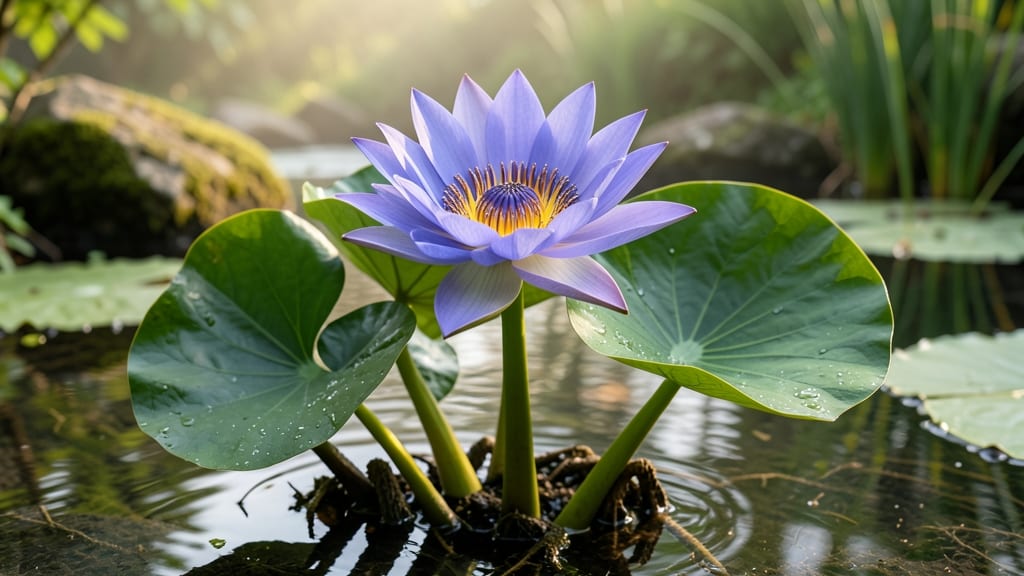
Blue Egyptian water lily tea delivers a fragrant, floral-citrus profile with subtle earthy depth, crafted from dried Nymphaea caerulea petals. For the best cup, use 1–2 teaspoons of dried flowers steeped in 175–185°F water for 5–7 minutes, then discard leaves to avoid bitterness.
This unique tea isn't just about flavor—it's packed with bioactive compounds like aporphine alkaloids and antioxidants that contribute to its distinctive taste and historical medicinal uses. 🌿 The key to unlocking its full potential lies in precise brewing: cooler water preserves delicate floral notes while preventing over-extraction, which can turn your cup bitter.
I've found adding a drizzle of raw honey or a squeeze of lemon enhances the natural sweetness without masking the plant's signature earthiness.
What sets this tea apart is its dual nature: it's both a sensory experience and a functional brew. Ancient Egyptians used it for relaxation and digestive support, while modern herbalists appreciate its adaptogenic qualities.
For best results, store dried petals in an airtight container away from light to maintain their aromatic compounds.
💡 In This Article
- Botanical Profile and Active Compounds in Blue Egyptian Water Lily
- Step-by-Step Brewing Guide for Best Flavor and Effects
Botanical profile and active compounds in blue Egyptian water lily
The Nymphaea caerulea, or Blue Egyptian water lily, contains over 15 bioactive compounds that shape its flavor and effects. The most notable are aporphine alkaloids like nuciferine and roemerine, which contribute to its mild psychoactive properties and distinctive bitter-sweet taste profile.
These compounds are also responsible for the plant's traditional use as a sedative in ancient Egyptian medicine, where it was often brewed into teas for relaxation.
Flavonoids such as quercetin and kaempferol add to the tea's antioxidant power, giving it a subtle astringency and earthy depth that pairs beautifully with floral notes.
The petals contain volatile oils like linalool and nerolidol, which release aromatic compounds when heated—this is why freshly dried petals (harvested in late summer) produce the most fragrant brews. For comparison, chamomile contains similar terpenes but lacks the water lily's unique alkaloids, which create its signature complexity.
The plant's blue pigment, derived from anthocyanins, doesn't significantly affect taste but adds visual appeal to the tea. What most people don't realize is that the root contains the highest concentration of active compounds, but traditional preparations focus on petals for a milder flavor.
Ancient texts describe using the roots for stronger medicinal effects, while petal teas were reserved for daily enjoyment—a distinction that still holds true today.
When selecting dried petals, look for deep blue or lavender hues, as these indicate higher anthocyanin content. The leaves, though less aromatic, contribute to the earthy undertones when used in small quantities.
For optimal freshness, store dried petals in an airtight container with silica packets to preserve their volatile oils, which degrade within 6-12 months of harvest.
In Ayurvedic practice, this tea is classified as "cooling" due to its ability to calm the nervous system. The alkaloids interact with GABA receptors in the brain, promoting relaxation without the grogginess associated with heavier sedatives.
This makes it particularly popular in evening blends, where its floral aroma signals the body's natural wind-down process.
For those curious about the psychoactive effects, the alkaloid content is generally too low to cause noticeable euphoria but may enhance meditation or reduce mild anxiety. The threshold for these effects varies—some experience subtle mental clarity at 1-2 teaspoons per cup, while others need 3 teaspoons for perceptible changes.
Always start with smaller amounts to gauge your sensitivity.