
Featured
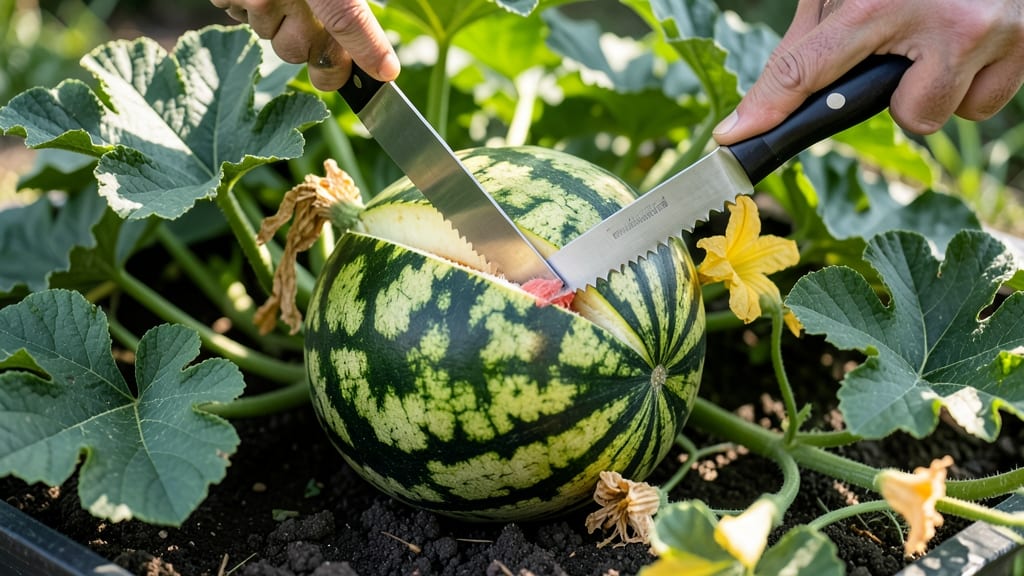
Chickens can eat watermelon rind in moderation, as it is safe and provides hydration, fiber, and small amounts of vitamins A and C. Remove seeds and cut into small pieces to prevent choking or digestive issues, but avoid feeding moldy or spoiled rinds.
Watermelon rind is a hydrating treat for chickens, packed with natural fiber that supports their digestive health.
The rind contains small amounts of vitamin A and vitamin C, which boost their immune system and skin health. 💫 Unlike the juicy flesh, the rind is lower in sugar, making it a safer option for chickens with sensitive stomachs.
Just remember to always wash the rind thoroughly before serving and introduce it gradually to monitor your flock's reaction.
For best results, serve the rind in small, manageable pieces—about the size of a chicken's head—to prevent choking hazards. I recommend feeding it as an occasional snack rather than a daily staple, since variety in their diet is key to keeping them healthy and curious about their food.
If you notice any signs of discomfort, like diarrhea or loss of appetite, reduce the portion size or stop feeding it altogether.
💡 In This Article
- Nutritional Value of Watermelon Rind for Chickens
- Safe Feeding Practices for Watermelon Rinds
Nutritional value of watermelon rind for chickens
The watermelon rind is a nutrient-dense treat for chickens, offering a unique blend of hydration and fiber that supports their digestive system. A 100-gram serving of fresh rind contains about 0.5 grams of fiber, which aids in gut motility and prevents common issues like crop impaction.
This fiber content is roughly 10% of a chicken's daily fiber needs, making it a valuable supplement when balanced with their regular feed.
Beyond fiber, the rind provides essential vitamins that enhance your flock's overall health. It contains vitamin A (about 10% of a chicken's daily requirement per serving) and vitamin C, both of which strengthen their immune system and promote healthy skin and feathers.
The rind also offers trace amounts of potassium and magnesium, minerals that help regulate muscle function and nerve signaling. Unlike the sugary watermelon flesh, the rind has a lower glycemic impact, reducing the risk of weight gain or digestive upset.
One of the rind's standout benefits is its high water content—about 90%, which helps keep chickens hydrated, especially during hot weather.
This is particularly useful if your flock doesn't drink enough water, as the moisture in the rind encourages them to consume more fluids overall. 💫 For comparison, other safe fruit rinds like cucumber or apple contain less fiber and fewer vitamins, making watermelon rind a more nutrient-rich option for poultry.
However, it's important to note that the rind's nutrients are concentrated in the outer layer. The inner white pith is tougher and less digestible, so it's best to remove it if possible.
Chickens lack the enzymes to break down cellulose efficiently, so the rind should always be fed in moderation—no more than 10-15% of their daily diet—to avoid digestive strain.
When comparing watermelon rind to other safe fruit rinds, such as those from apples or pears, it stands out for its balanced nutrient profile. Apple rinds, for example, are higher in fiber but lack the hydration benefits of watermelon.
Meanwhile, pear rinds offer similar vitamins but are less commonly available. Watermelon rind's versatility makes it a go-to treat, especially during summer when chickens need extra hydration.
To maximize the nutritional benefits, always feed the rind fresh and in small, bite-sized pieces. This ensures chickens can digest it efficiently without wasting valuable nutrients. 🌟