
Advice
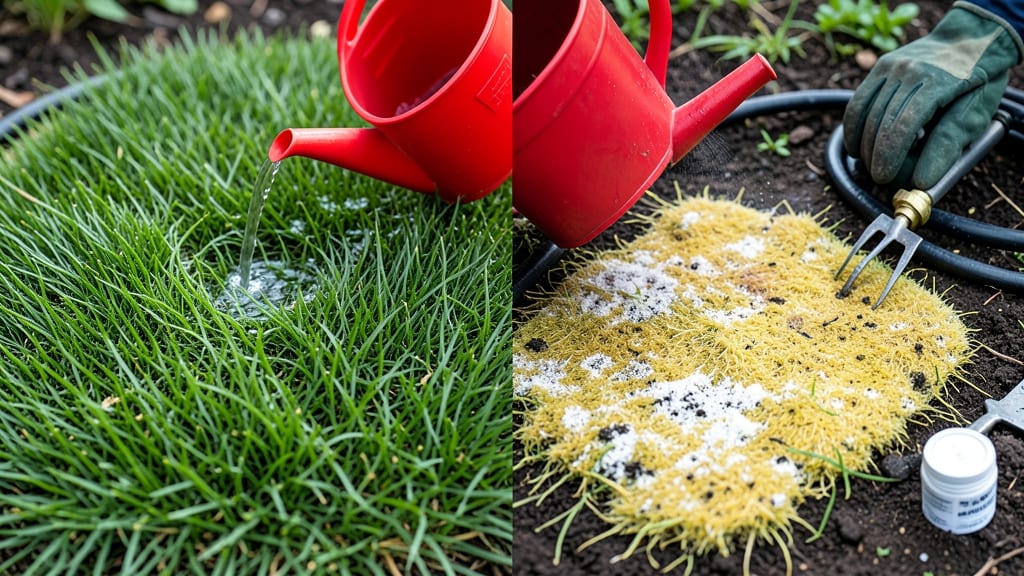
Overwatered sod can recover if caught early, but severe damage may require drying out, aeration, and reduced irrigation to restore root health and prevent fungal growth. Monitor soil moisture and adjust watering habits immediately.
When sod gets too much water, the roots suffocate from lack of oxygen, leading to yellowing and fungal issues. The good news?
With proper intervention, grass blades can bounce back within 2-4 weeks if you act fast. 🌱 I’ve seen lawns recover completely after adjusting watering schedules and improving drainage—key is catching the problem before roots rot.
Start by letting the soil dry between waterings and consider aerating compacted areas to help roots breathe again.
For severe cases, you might need to mow higher to shade roots or even reseed bare patches. The recovery timeline depends on how long the sod was waterlogged—mild cases may show improvement in 10-14 days, while chronic overwatering can take months.
Always check soil moisture before watering: stick your finger in—if it’s damp past 2 inches, hold off!
💡 In This Article
- How Overwatering Damages Sod Roots and Soil
- Step-by-Step Guide to Reviving Overwatered Sod
How overwatering damages sod roots and soil
Excess water in sod creates a suffocating environment for roots by displacing oxygen in the soil pores. Grass roots need 10-15% oxygen by volume to function properly—when soil is waterlogged, oxygen levels can drop below 5%, forcing roots to switch to anaerobic respiration.
This process produces harmful byproducts like ethanol and lactic acid, which poison root cells over time. 🌱 The damage starts within 24-48 hours of continuous saturation, turning healthy roots brown and mushy.
Waterlogging also triggers fungal invasions like Rhizoctonia and Pythium, which thrive in damp conditions. These pathogens attack weakened roots, creating circular dead patches where grass blades turn yellow-brown and pull away easily.
The soil chemistry shifts too—excess water leaches away essential nutrients like nitrogen and potassium, while promoting salt buildup that further stresses plant cells. Even the soil structure suffers as clay particles swell and compact, reducing pore space by up to 40%.
At the cellular level, root tips begin to die first because they're most sensitive to oxygen deprivation. Within 3-5 days of chronic overwatering, you'll see wilting blades and spongy soil that smells musty.
The good news is that grass roots are resilient—they can regenerate new growth from the crown (the base where roots meet blades) if given proper conditions. This is why early intervention makes all the difference.
One often-overlooked factor is how water temperature affects recovery. Cool water (50-60°F) slows microbial activity that could help break down dead roots, while warm water (> 70°F) accelerates both fungal growth and root decay.
This is why fall recovery often works better than summer attempts—cooler temperatures create a more balanced environment for root regeneration.
Consider this comparison: healthy sod roots extend 6-12 inches deep, while overwatered roots may only reach 1-3 inches before hitting anaerobic zones. The shallow root system makes grass more vulnerable to drought and heat stress later.
The key to revival lies in restoring that oxygen balance—whether through proper drainage, aeration, or adjusted watering schedules.
What most gardeners don't realize is that even after visible recovery, the soil's microbial ecosystem takes 4-6 weeks to fully rebound.
Beneficial bacteria and fungi that help break down organic matter are disrupted by prolonged waterlogging, which is why you might see temporary improvements followed by setbacks if you don't address the root causes.