
Watering
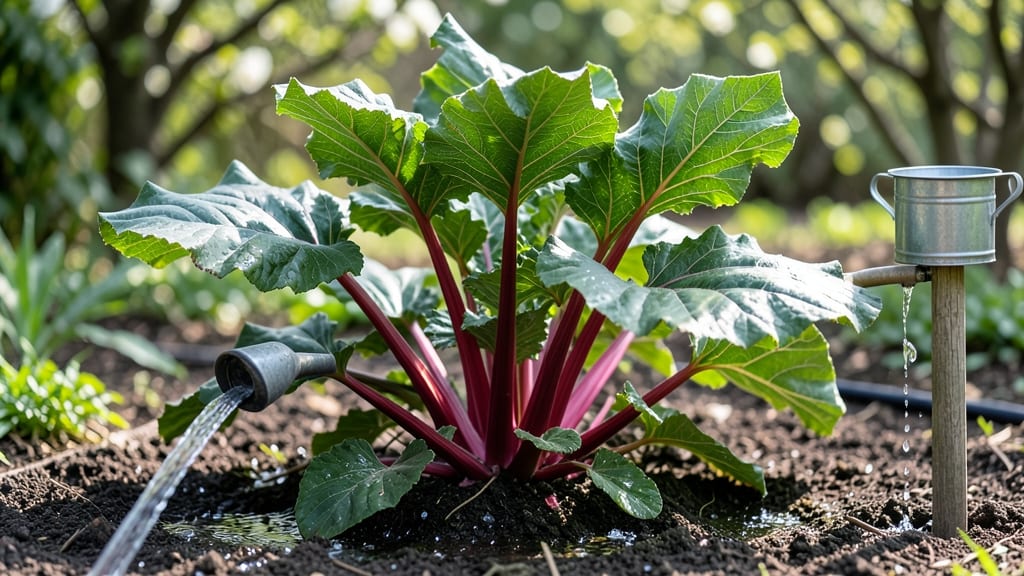
Seasonal watering schedule for rhubarb: when and how much to apply
Rhubarb thrives on consistent moisture but despises soggy roots. Unlike drought-tolerant perennials, rhubarb’s deep taproot system demands regular watering—especially during its first two years. The key? Deep, infrequent watering that mimics natural rainfall patterns while avoiding waterlogged soil.
Whether you're in arid Zone 7 or humid Zone 5, adjusting your schedule by season keeps your plants productive and pest-free.
Your rhubarb’s water needs shift dramatically with the seasons. In spring and summer, when growth is rapid, you’ll water 1-2 times per week. But in fall and winter, cut back to every 2-4 weeks—unless you’re in a frost-free zone where growth continues.
Container-grown rhubarb, however, dries out faster and may need daily checks during heatwaves. Let’s break down the exact schedule month by month, so you never guess again.
| Season | Watering Frequency | Amount per Session | Climate Adjustments | Key Tips |
|---|---|---|---|---|
| Spring (March-May) | Weekly (2x) | 1.5 inches | Arid: Every 3-4 days Humid: Every 5-6 days |
Increase after harvest begins |
| Summer (June-August) | Every 5-7 days | 2 inches | Arid: Daily in extreme heat Humid: Every 4-5 days |
Mulch to retain moisture |
| Fall (September-Nov) | Bi-weekly | 1 inch | Arid: Every 10 days Humid: Every 7-10 days |
Reduce as temps drop |
| Winter (Dec-Feb) | Monthly (if no frost) | 0.5 inch | Arid: Skip unless thawing Humid: Light monthly check |
Avoid frozen soil |
| Containers | Every 3-5 days | 1 inch (soil surface) | Always check top inch | Use saucers for runoff |
Let’s start with spring planting, when your rhubarb crowns wake from dormancy. After planting in September-October, water deeply every 3-4 days until roots establish—typically 4-6 weeks. The goal is to encourage root expansion without waterlogging.
In March and April, increase frequency to weekly as new shoots emerge. Pro tip: Water at the base of the plant, not the leaves, to prevent fungal diseases like rhubarb rust.
Summer is when rhubarb demands the most attention. With active growth and harvest, aim for 1-2 inches of water per week. In Zone 9+ heat, split sessions into morning and evening to avoid evaporation.
If your soil feels dry 1 inch below the surface, it’s time to water. Mulch heavily with straw or shredded leaves to lock in moisture—this can reduce summer watering by 30%. Watch for wilting leaves, a clear sign your rhubarb is thirsty.
As fall approaches, reduce watering to bi-weekly by September. The plant preps for dormancy, and overwatering now can rot the crown. In humid climates, cut back earlier to prevent leaf diseases. By November, most gardeners water only if the ground stays bone-dry.
In mild-winter zones, a light monthly drink keeps roots from drying out completely. Never let rhubarb sit in waterlogged soil—this causes root rot, a fatal condition.
Container rhubarb follows the same principles but with faster drying times. Check soil moisture daily in summer—containers can dry out in 24 hours on hot days. Use self-watering pots or drip irrigation for consistency.
In winter, move containers to a sheltered spot if temperatures drop below 20°F. A thick layer of mulch (4-6 inches) insulates roots and reduces winter watering needs by 50%. Never let container soil freeze solid—this kills the crown.
Climate plays a huge role in rhubarb watering. In arid regions, water more frequently but less deeply to prevent runoff. Use drip irrigation to deliver moisture slowly at the root zone.
In humid climates, prioritize early morning watering to let foliage dry before evening humidity sets in. If you’re
Signs your rhubarb is overwatered or underwatered (and how to fix it)
Your rhubarb plants might look healthy on the surface, but subtle clues reveal whether they're thirsty or drowning. Yellowing leaves, limp stalks, or mushy soil are red flags that demand immediate attention.
Unlike drought-tolerant perennials, rhubarb thrives on consistent moisture but suffocates when overwatered—learning these signs saves your harvest before it's too late.
First, check the soil surface. If it's cracked and dry an inch below, your rhubarb is underwatered. Conversely, soggy soil that stays wet for days signals overwatering. Root rot often follows, turning your once-vibrant stalks into a mushy mess.
The key is balance—rhubarb needs 1-2 inches of water weekly, but container-grown plants dry out faster than in-ground varieties.
How Often to Water Rhubarb
| Season | Frequency | Signs of Overwatering | Signs of Underwatering |
|---|---|---|---|
| Spring | Weekly | Yellow leaves, soft stalks | Dry soil, wilted leaves |
| Summer | Every 5-7 days | Root rot, mold | Cracked soil, limp stalks |
| Fall | Bi-weekly | Stunted growth | Dry crowns |
| Winter | Monthly | None (dormant) | None (dormant) |
If your rhubarb leaves turn yellow and feel mushy, you're likely overwatering. Pull back immediately—reduce watering to every 10-14 days and improve drainage by adding organic matter like compost.
For underwatered plants, soak the soil deeply until moisture reaches 6 inches down. Mulch with straw or wood chips to retain moisture and prevent evaporation.
Container-grown rhubarb needs more frequent watering—check soil moisture daily in summer. If the top inch feels dry, water thoroughly. Drip irrigation is ideal for containers, delivering water directly to the roots without wetting leaves. Avoid overhead watering, which can spread fungal diseases like powdery mildew, especially in humid climates.
Reviving an overwatered rhubarb plant starts with well-draining soil. Mix in perlite or sand to improve aeration, and avoid watering until the top 2 inches of soil dry out.
For underwatered plants, create a moisture-retaining barrier by applying a 2-inch layer of mulch. This mimics natural rainfall, keeping roots consistently hydrated without drowning them.
Remember, rhubarb roots are sensitive to both extremes. The goal is consistent moisture, not soggy soil. Adjust your watering routine based on your climate and soil type—sandy soil drains faster than clay, so monitor closely.
With the right balance, your rhubarb will reward you with juicy, vibrant stalks for years to come.