
Propagation
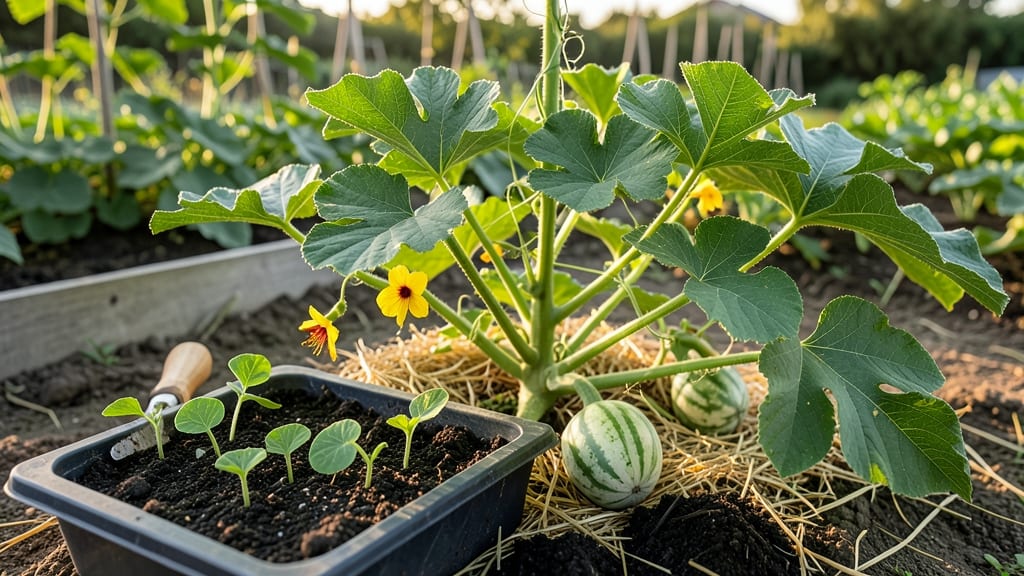
Yes, you can replant watermelon seeds successfully by extracting clean, dry seeds from ripe fruit, ensuring proper stratification and moisture, and planting in warm, well-drained soil with full sun exposure for optimal germination rates.
Watermelon seeds thrive when given the right conditions, and the process starts with selecting seeds from fully ripe fruit—those with a deep green rind and sweet flesh. 🌱 The key to high germination rates lies in mimicking their natural environment: warm soil (70-95°F) and consistent moisture without waterlogging.
I’ve found that pre-soaking seeds for 24 hours before planting can jumpstart germination, especially in cooler climates. Once planted about 1 inch deep, they need space (2-3 feet apart) to spread their vines and access sunlight for at least 6-8 hours daily.
Stratification—simulating winter cold—isn’t always necessary for watermelon seeds, but it can help break dormancy if your growing season starts late. A simple way to test viability is to float seeds in water: those that sink are likely to sprout.
For best results, mix compost into the soil to improve drainage and nutrient availability, as watermelons are heavy feeders. Patience is key—germination can take 7-14 days, but the effort pays off with vigorous plants ready for harvest in 70-90 days.
💡 In This Article
- Watermelon Seed Germination Science and Success Factors
- Step-by-Step Guide to Harvesting and Planting Watermelon Seeds
Watermelon seed germination science and success factors
The biological process of watermelon seed germination begins with the seed absorbing moisture, which triggers enzymes to break down stored nutrients in the seed's endosperm. This process, called imbibition, activates cell division in the embryo, leading to root emergence within 3-7 days under ideal conditions.
Watermelon seeds thrive best in soil temperatures between 70-95°F, as cooler temperatures (50°F) slow metabolism and delay sprouting. 🔥 The seed coat itself contains natural inhibitors that require either warm soil or stratification to overcome.
Stratification—exposing seeds to cold, moist conditions for 1-2 weeks—mimics winter dormancy and can improve germination rates by 20-30% in cooler climates. However, watermelon seeds typically don't require this step unless planted in early spring. Moisture balance is critical: too little causes desiccation, while excess leads to rot.
The optimal soil moisture level feels like a damp sponge—just enough to keep seeds hydrated without drowning them. Seed viability drops significantly after 3-5 years of storage, so always use fresh seeds for best results.
Light exposure plays a subtle but important role. Unlike some plants, watermelon seeds don't need light to germinate—they're classified as "photoblastic negative," meaning darkness actually helps. However, once the radical (primary root) emerges, seedlings crave sunlight to develop strong stems.
This is why planting depth matters: bury seeds only 1 inch deep to balance protection with access to light. The seed's hard outer shell also contains compounds that regulate water uptake, which is why pre-soaking for 12-24 hours can accelerate the process.
Soil composition affects germination too. Watermelons prefer well-drained soil with a pH of 6.0-6.8, where beneficial microbes break down organic matter into nutrients. Adding compost or aged manure improves porosity, which prevents waterlogging—a common killer of young seedlings.
The seed's micropyle (a tiny pore) acts as a gateway for water and oxygen, so compacted soil can suffocate emerging roots. For best results, mix 10-20% organic matter into native soil before planting.
Here's what happens when conditions are perfect: within 7-14 days, the seed's hypocotyl (the stem above the seed) pushes through the soil, unfurling into the first true leaves. These leaves are rich in chlorophyll, allowing the seedling to transition from relying on stored nutrients to photosynthesis.
The timing varies by variety—heirloom seeds often germinate slower than hybrid types due to thicker seed coats. 💫 Understanding these stages helps troubleshoot problems: if seeds rot, the soil is too wet; if they remain dry, moisture levels are too low.
Pro tip: Test seed viability by placing 10 seeds in a glass of water. Sinkers have 90%+ germination potential, while floaters are likely dormant or dead. This simple test saves time and frustration before planting.
For gardeners in short seasons, starting seeds indoors 4-6 weeks before the last frost gives seedlings a head start, though watermelons are sensitive to transplant shock and prefer direct sowing.