
Size
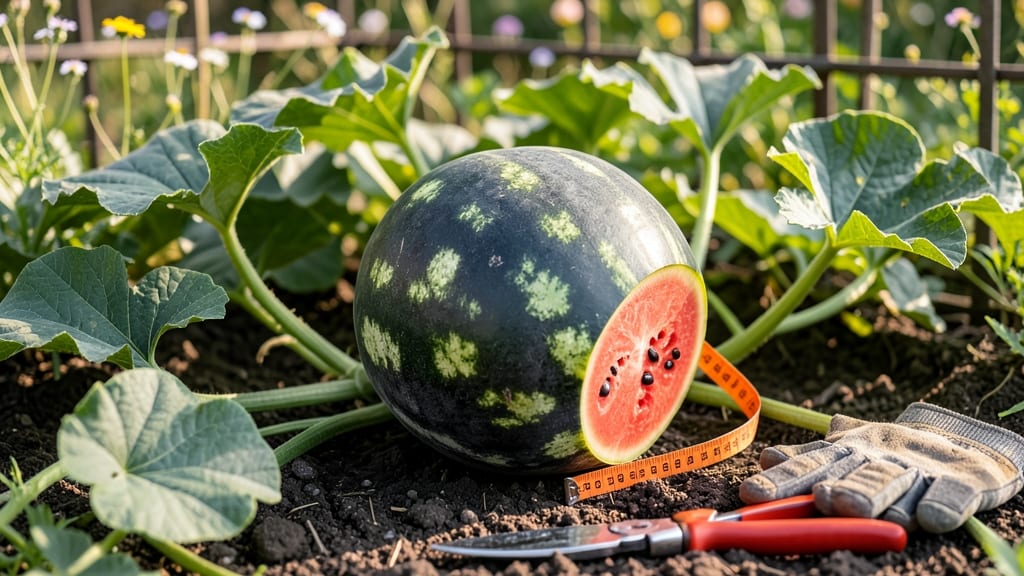
Growing a Charleston Gray watermelon 🍉 means aiming for a 10- to 15-pound fruit with crisp, sweet flesh—though size can shift based on your soil, spacing, and summer heat.
If you're growing Charleston Gray watermelons and wondering when to expect that perfect 10-15 pound harvest, understanding their predictable growth stages is your secret weapon—avoiding both premature picking and overripe disappointments.
In Charleston’s 8a climate, these melons thrive when planted in mid-April to mid-May and reach harvest by July to September. But whether you’re growing them in the ground or containers, vine health and spacing directly impact final size—sometimes dramatically.
Below, I’ll break down the week-by-week size benchmarks, the tell-tale signs of ideal ripeness, and the 3 key adjustments to coax bigger, sweeter fruit—no guesswork required.


Charleston Gray watermelon size by growth stage: what to expect each week
Growing Charleston Gray watermelons is exciting, but predicting their size progression helps you plan for space, nutrients, and harvest timing. This heirloom variety typically reaches 10-15 pounds at maturity, but understanding weekly milestones ensures you don't miss the perfect harvest window.
From delicate seedlings to sprawling vines, each stage reveals clues about fruit development.
The journey begins with seed germination and continues through vine establishment, flowering, and finally fruit maturation. By tracking leaf patterns, tendril growth, and fruit weight benchmarks, you'll know exactly when to expect that signature dark gray rind and crisp, sweet interior.
Let's break down what to watch for each week.
🌱 Key Milestones:
- Weeks 1-3: Seedling to vine establishment
- Weeks 4-6: Early flowering and fruit set
- Weeks 7-10: Rapid fruit growth (critical size development)
- Weeks 11-14: Maturation and harvest readiness
| Growth Stage | Time After Planting | Vine Development | Fruit Size | Key Visual Cues |
|---|---|---|---|---|
| Seedling | Weeks 1-2 | 1-2 ft vines, 5-7 leaves, first tendrils | None | Dark green leaves, hairy stems |
| Early Vine | Weeks 3-4 | 3-5 ft vines, 10+ leaves, first flowers | None | Yellow blossoms, curly tendrils appear |
| Fruit Set | Weeks 5-6 | 6-8 ft vines, 15+ leaves, fruit formation | 1-2 inch diameter (pea-sized) | Gray-green rind, white bloom on fruit |
| Rapid Growth | Weeks 7-9 | 10-12 ft vines, 20+ leaves, dense foliage | 4-6 inch diameter (1 lb weight) | Stripes darken, tendrils near fruit brown |
| Maturation | Weeks 10-12 | 12-15 ft vines, 25+ leaves, sprawling habit | 8-10 inch diameter (5-10 lbs) | Yellow patch at stem, hollow sound when tapped |
| Harvest Ready | Weeks 12-14 | Full 12-20 ft spread, thick vines | 10-15 lbs (12-14 inch diameter) | Dry tendril, cream-colored ground spot |
During the first 2 weeks, your Charleston Gray seedlings will focus on root and leaf development rather than fruit. Look for dark green, lobed leaves and hairy stems—these are signs of healthy growth.
By week 3, vines will stretch 1-2 feet and produce their first curly tendrils, which are early indicators of future fruit-bearing branches.
Between weeks 4 and 6, you'll notice yellow flowers appearing, followed by tiny pea-sized fruits. This is when fruit set occurs, and proper pollination is critical. If you see white powdery coatings on young fruits, it's a natural bloom that protects them—don't wash it off!
By week 6, fruits should reach 1-2 inches in diameter, and the gray rind will start developing its signature stripes.
Weeks 7 through 9 are the most exciting for size progression. This is when Charleston Grays undergo rapid growth, often doubling in size every 7-10 days. By week 8, you'll see fruits reach 4-6 inches in diameter and weigh around 1 pound.
Pay close attention to the tendril nearest each fruit—when it browns and dries
How to measure Charleston Gray watermelon size for optimal harvest timing
Timing the harvest of your Charleston Gray watermelons is an art that combines visual cues, physical tests, and understanding their predictable growth patterns. This heirloom variety typically reaches 10-15 pounds at maturity, but knowing exactly when to pick ensures maximum sweetness and texture.
The key lies in monitoring both fruit dimensions and ripeness indicators simultaneously.
Start by checking the fruit's diameter—mature Charleston Grays usually measure 10-12 inches across. However, size alone isn't enough; you must also verify ripeness through tactile and visual methods.
The 'thump test' and tendril color changes are your best friends here. Combine these techniques to avoid harvesting too early or missing the sweet spot.
- 1 Check the 'Ground Spot': Look for a creamy yellow patch where the fruit rests on the vine. This indicates full ripeness.
- 2 Perform the Thump Test: Tap the fruit with your knuckles—it should sound hollow when ripe. A dull thud means it needs more time.
- 3 Inspect the Tendril: The small curly tendril near the stem should turn brown and crispy. If it's still green, the melon isn't ready.
- 4 Weigh the Fruit: Lift a mature Charleston Gray—it should feel heavy for its size (aim for 10-15 lbs). Use a scale if unsure.
- 5 Test Stem Separation: Gently twist the stem—it should pluck away cleanly. Resistance means the melon isn't fully ripe.
For Charleston Gray watermelons, combine these methods for accuracy. For example, a 12-inch diameter fruit with a hollow thump and brown tendril is likely ready, even if it weighs slightly less than 15 pounds.
Overripe melons lose sweetness and develop a spongy texture, so don't wait too long after these signs appear.
If you're growing in containers, expect slightly smaller fruits (8-12 pounds) due to limited root space. Monitor growth closely and adjust your harvest timing accordingly. Container-grown melons also ripen faster in hot climates, so check for readiness 1-2 weeks earlier than ground-planted vines.
Pro tip: Keep a harvest journal to track when your Charleston Grays reach peak ripeness. Note the days to maturity, weather conditions, and any deviations from the 10-15 pound range. This helps refine your timing in future seasons. For instance, cooler summers may delay ripening by 7-10 days.
Remember, the Charleston Gray is prized for its deep red flesh and sweetness, so precision in harvest timing pays off. Once you master these techniques, you'll consistently enjoy melons at their peak flavor and texture—no guesswork required. 🍉