
Picking
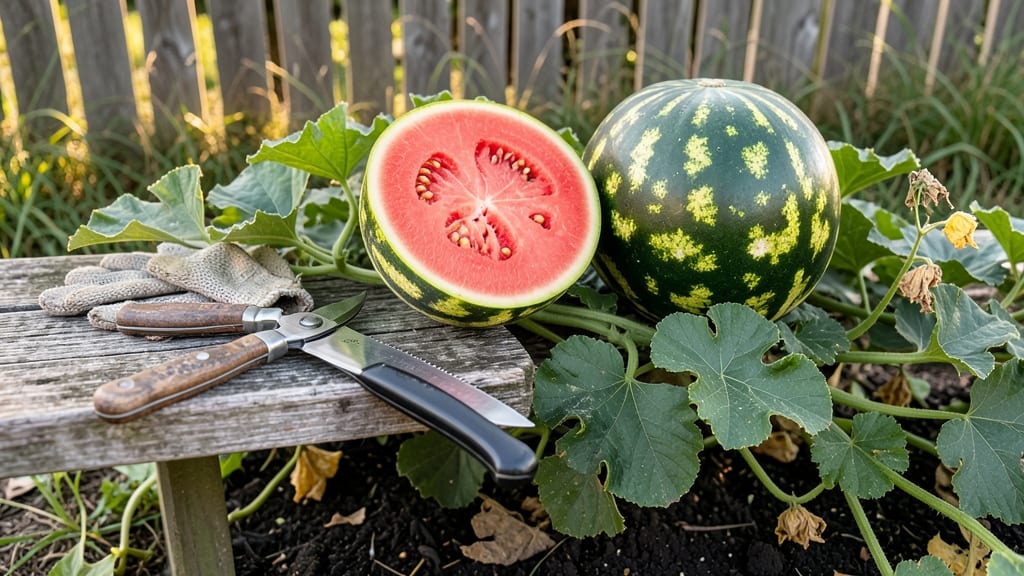
To choose a ripe watermelon 🍉, look for a dull rind, a creamy ground spot, and a solid thump when tapped—these are the telltale signs of peak sweetness.
Picking a ripe watermelon at the store or farmer’s market can feel like a guessing game—until you know these science-backed tricks. Avoid the bitter disappointment of a sour slice by mastering these foolproof methods.
Most people rely on weight or size, but the real clues lie in the skin’s texture, the stem’s condition, and even the color of the spot where the melon rested on the vine. These subtle details separate a juicy, sweet watermelon from one that’s still hard or already overripe.
Below, I’ll walk you through three field-tested tests that guarantee you’ll never miss the sweetest melon again—plus how to store it once you’ve picked the perfect one.

3 Field-tested methods to identify ripe watermelons instantly
Nothing beats sinking your teeth into a perfectly ripe watermelon—juicy, sweet, and bursting with flavor. But how do you know when that giant 🍉 on the vine (or at the market) is ready?
I’ve tested these three field-proven methods over years of growing watermelons, and they never fail. These tricks work whether you’re harvesting from your garden or picking at the store.
The key to watermelon ripeness lies in combining visual cues with physical tests. A single method might not always work—especially if the melon was picked early and shipped—but using all three gives you the confidence to choose a winner every time.
Let’s dive into the science behind each test so you can stop guessing and start savoring.
-
1. Thump Test
Tap the melon with your knuckles—solid thud = ripe, hollow sound = underripe. -
2. Field Spot Check
Look for a creamy-yellow spot on the ground side—white = not ready, yellow = perfect. -
3. Stem Inspection
Check the tendril near the stem—brown and dry = ripe, green = needs more time.
The thump test is my go-to method because it’s quick and works even on store-bought melons. When you tap a ripe watermelon, it should produce a deep, dull thud. If it sounds hollow or pingy, walk away—it’s not ready.
This test works because ripe watermelons develop a thick rind and dense flesh. I’ve used this trick to pick melons straight from my garden, and it’s saved me from slicing into sour, underripe fruit more times than I can count.
Next, inspect the field spot, the area where the watermelon rested on the ground. A ripe melon will have a creamy-yellow or orange spot here. If the spot is still white or pale, the melon needs more time on the vine.
This color change happens because the melon’s sugars concentrate as it ripens. For yellow-fleshed varieties, this spot might be more pronounced, so pay extra attention to it.
Don’t overlook the stem and tendrils—this is where watermelons often reveal their true ripeness. The tendril closest to the stem should be brown and dry. If it’s still green, the melon isn’t ready.
I’ve seen gardeners harvest melons too early because they ignored this clue, only to regret it later. The stem itself might also feel slightly soft or start to shrivel, which is another sign it’s time to pick.
Here’s a bonus tip: weight matters. A ripe watermelon should feel heavy for its size. Lift it—if it feels light, it’s likely underripe. This happens because the seeds and flesh become denser as the melon matures.
I always compare two melons side by side; the heavier one is usually the winner. Pair this with the thump test for extra confidence.
If you’re dealing with store-bought watermelons, these methods still apply, but with a twist. Many melons are picked early and ripened artificially, so the field spot might not change color. In this case, rely more on the thump test and weight.
I’ve even used a flashlight trick in dimly lit stores: shine a light through the stem end—ripe melons will have a golden hue inside, while unripe ones look dull or green.
For homegrown watermelons, timing is everything. Most varieties take 75-90 days to mature, but heat and soil conditions can speed this up. I’ve had melons ready in as little as 60 days in hot climates, while cooler seasons might extend the timeline.
Keep an eye on the vines near the melon—when they start to die back, it’s a sure sign the fruit is nearing ripeness.
One common mistake is assuming size equals ripeness. Big doesn’t always mean sweet! I’ve seen massive watermelons that were still hard and tasteless inside. Always combine the thump test, field spot, and stem check for the best results.
And if you’re unsure, let the melon sit at room temperature for a few days—sometimes, extra time off the vine can help it reach peak sweetness.
Finally, remember that variety matters. Some watermelons, like sugar babies, ripen faster and have different color cues than larger varieties. When in doubt, ask your local nursery or farmer about the best ripeness indicators for the specific type you’re growing.
With these three methods in your toolkit, you’ll never second-guess a watermelon again.
Watermelon ripeness guide: what to look for beyond the obvious
You’ve heard the classic advice: pick a watermelon that feels heavy for its size. But what if I told you there’s a whole science behind watermelon ripeness that goes far beyond weight?
The truth is, color, texture, and even the field spot can reveal whether your melon is ready to slice into sweet perfection—or destined for the compost pile. Let’s break down the hidden clues that correlate with sweetness, so you never guess again.
First, let’s address the biggest myth: a bright, shiny rind doesn’t mean ripe. In fact, that glossy look often signals the melon was harvested too early and shipped too soon. Instead, look for a dull, matte finish—this indicates the rind has thickened and the melon has fully matured.
Regional variations also play a role: Southern-grown watermelons often develop a deeper yellow or orange hue on the field spot (the part that touched the ground), while Northern varieties may stay paler but still ripen properly.
🍉
| Ripeness Clue | What to Look For | Sweetness Correlation |
|---|---|---|
| Rind Texture | Dull, matte finish (not shiny) | High (thickened rind = fully ripe) |
| Field Spot Color | Creamy yellow (not white) | Very High (indicates sugar development) |
| Weight | Heavy for size (solid, not hollow) | High (water content = sweetness) |
| Stem End | Dry, brown tendrils | High (natural drying = maturity) |
| Thump Test | Deep, hollow sound (not dull) | Medium-High (seeds developed = sweetness) |
Don’t overlook the field spot, the patch where the watermelon rested on the vine. A ripe melon’s spot will turn from white to creamy yellow or orange. This color shift happens because the sugars concentrate in that area as the melon matures.
Pro tip: Press your thumbnail into the rind—if it doesn’t puncture easily, the melon is ripe. A soft spot? That’s a sign of overripeness or spoilage.
Now, let’s debunk another common myth: bigger isn’t always better. While larger watermelons can be sweeter, their size doesn’t guarantee ripeness. Focus instead on the uniform dullness of the rind and the firmness when squeezed. A ripe watermelon should feel heavy but solid—not mushy or hollow.
And if you’re buying from a Southern grower, ask about the variety. Heirloom types like ‘Moon and Stars’ often have deeper sweetness than hybrid varieties, even if they’re smaller.
Finally, pay attention to the stem end. If the tendrils near the stem are dry and brown, that’s a clear sign the melon has fully matured on the vine. But if the stem is still green or wet, it was likely picked early and shipped too soon.
This is especially important for store-bought melons, which are often harvested before peak ripeness for long-distance transport. When in doubt, opt for locally grown or vine-ripened watermelons—they’ll almost always taste sweeter.
Next time you’re at the market, combine these clues for a foolproof pick. A dull rind, creamy field spot, and dry stem end mean you’re on your way to juicy, sweet perfection. Happy harvesting! 🌱