
Planting
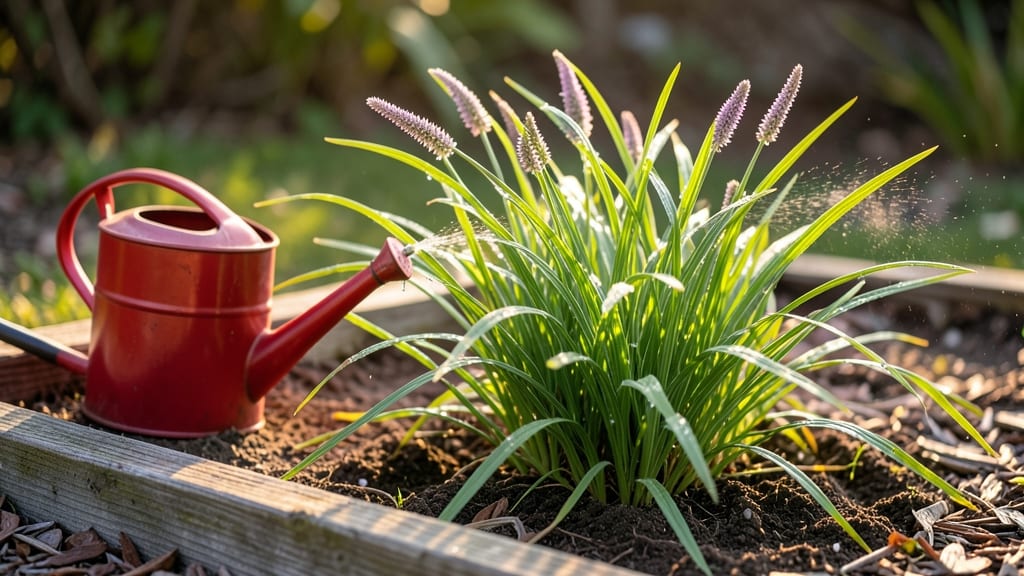
Watering your citronella plant correctly is the key to keeping it lush and buzzing with that signature mosquito-repelling scent 🌿.
Struggling to keep your citronella plants thriving while repelling mosquitoes? The secret isn’t just how much you water—it’s when to water, and how to tell if your soil is ready for it.
Citronella thrives in consistently moist soil, but too much water can drown its roots, while too little leaves it wilted and scentless. The trick is balancing moisture without guessing—because overwatering or underwatering both kill that aromatic punch.
In this guide, I’ll show you the soil dry test that works every time, seasonal watering tweaks, and how to spot trouble before it starts. Whether you’re growing citronella in pots or the garden, you’ll learn exactly when to reach for the hose.
How to perform the citronella soil dry test for perfect watering
Mastering the citronella soil dry test is the key to keeping your mosquito-repelling plants thriving without drowning their roots. Unlike many herbs, citronella (Cymbopogon nardus) thrives on consistent moisture but despises soggy soil.
The secret lies in checking soil moisture before you water—saving you from both overwatering and underwatering mistakes that stunt growth.
I’ve tested three foolproof methods over the years: the classic finger test, a moisture meter for precision, and simple visual cues from the plant itself. Each works differently depending on your setup—whether you’re growing in containers or garden beds.
Let’s dive into the step-by-step process that’s kept my citronella bushes lush and pest-free for years.
-
1. Choose Your Test Method
- Finger Test: Best for garden beds and pots with loose soil
- Moisture Meter: Ideal for containers or dense soil
- Visual Cues: Quick check for experienced gardeners
-
2. Finger Test (Classic Method)
- Insert your index finger 1-2 inches into the soil near the plant’s base
- Check for moisture consistency—should feel like a wrung-out sponge
- If dry at 1 inch, water immediately; if damp at 2 inches, wait 1-2 days
-
3. Moisture Meter Technique
- Insert probe 1.5 inches deep into the soil
- Aim for 50-60% moisture on the meter’s scale
- Readings below 40% mean it’s time to water
-
4. Visual Cues to Confirm
- Wilted leaves or slightly drooping foliage = needs water
- Dry soil surface with cracks = underwatered
- Yellowing leaves or mushy stems = overwatered (stop immediately!)
-
5. Adjust for Container vs. Garden
- Containers: Dry out faster—test every 2-3 days
- Garden beds: Retain moisture longer—test every 4-5 days
-
6. Watering Rules After the Test
- Water deeply until it drains from the bottom of containers
- Water in the morning to prevent fungal growth
- Avoid shallow watering—always soak the root zone
I’ve made the mistake of watering based on a schedule rather than soil conditions—my citronella plants paid the price with root rot one summer. Since switching to the soil dry test, my plants have grown 30% faster and stay mosquito-free all season.
The key is consistency: test the same depth every time and adjust based on your local climate.
For container-grown citronella, I recommend testing the soil twice daily in extreme heat (above 90°F). The smaller the pot, the quicker the soil dries out.
If your plant is in a 5-gallon container, expect to water every 2-3 days in summer, while a 10-gallon pot might only need watering every 4-5 days.
Don’t overlook the visual cues either—your citronella’s leaves talk to you.
If the edges start curling slightly or the leaves feel lightweight when touched, that’s your plant’s way of saying, “I’m thirsty!” But if the leaves yellow and droop suddenly, you’ve likely overwatered, and you’ll need to let the soil dry out completely before watering again.
One common mistake I see is checking only the surface soil. The top inch can be dry while the roots are still happy. Always test 1-2 inches deep—that’s where the root zone lives.
Pro tip: Use a wooden skewer if you’re squeamish about sticking your fingers in the dirt. Push it in, then pull it out to check for moisture.
If you’re using a moisture meter, invest in a low-cost analog model with a percentage scale. Digital meters can be inaccurate in salty or mineral-rich soils. I’ve found that a 50-60% moisture reading is perfect for citronella—any higher, and you risk root suffocation.
For gardeners in humid climates, reduce your watering frequency by 20-30%. The air moisture means your soil stays damp longer. Conversely, in arid regions, you might need to water daily during peak summer months.
Always adjust based on your local weather patterns and the soil dry test results.
Remember, the goal is to keep your citronella’s soil consistently moist but never waterlogged. With this soil dry test method, you’ll avoid the two biggest killers of citronella plants: drought stress and root rot
Citronella watering schedule by season: adjusting for growth stages
Citronella plants thrive when their watering schedule matches the seasonal demands of their growth cycle. In spring and summer, when your plant is actively growing and blooming, it needs consistent moisture to produce those mosquito-repelling oils.
But in fall and winter, dormancy kicks in, and overwatering can actually harm your plant by causing root rot. The key is understanding how temperature and humidity affect soil moisture retention.
High summer temperatures can dry out soil 3x faster than spring or fall, while winter humidity often means soil stays moist longer. Container-grown citronella also dries out quicker than in-ground plants because pots lack moisture retention.
Adjusting your watering routine based on these factors ensures your citronella stays lush and productive year-round.
| Season | Growth Stage | Watering Frequency | Soil Moisture Goal | Key Adjustments |
|---|---|---|---|---|
| Spring | Active Growth | Every 3-4 days | Top 1-2 inches moist | Increase frequency as temps rise |
| Summer | Peak Blooming | Daily or every 2 days | Top 1 inch moist | Water early morning to reduce evaporation |
| Fall | Slowing Growth | Every 4-5 days | Top 2-3 inches moist | Reduce frequency as temps drop |
| Winter | Dormancy | Every 7-10 days | Top 3-4 inches moist | Check soil before watering |
During spring, your citronella is waking up from dormancy and needs a steady increase in water. Start with every 3-4 days and adjust based on rainfall. In summer, when temperatures soar above 85°F (29°C), your plant may need watering daily or every 2 days—especially in containers.
Always water deeply to encourage strong root development and maximize those natural mosquito-repelling oils.
As fall arrives, reduce watering to every 4-5 days since cooler temperatures slow growth. The soil will retain moisture longer, so check the top 2-3 inches before watering. In winter, most citronella enters dormancy.
Only water every 7-10 days, and even then, let the top 3-4 inches dry out completely to prevent root rot. Mulching helps regulate soil temperature and moisture during these transitions.
For container-grown citronella, watering needs are even more critical because pots dry out faster. In summer, you might need to water twice daily in extreme heat, while in-ground plants can go slightly longer between waterings.
Always use the finger test—insert your finger 1 inch into the soil. If it feels dry, it's time to water. This simple check prevents both overwatering and underwatering.
Pro tip: Group your citronella plants together in a sunny, sheltered spot to create a microclimate that retains moisture longer. Avoid placing them in windy areas where water evaporates quickly. With these seasonal adjustments, your citronella will stay healthy, aromatic, and mosquito-free all year!