
Watering
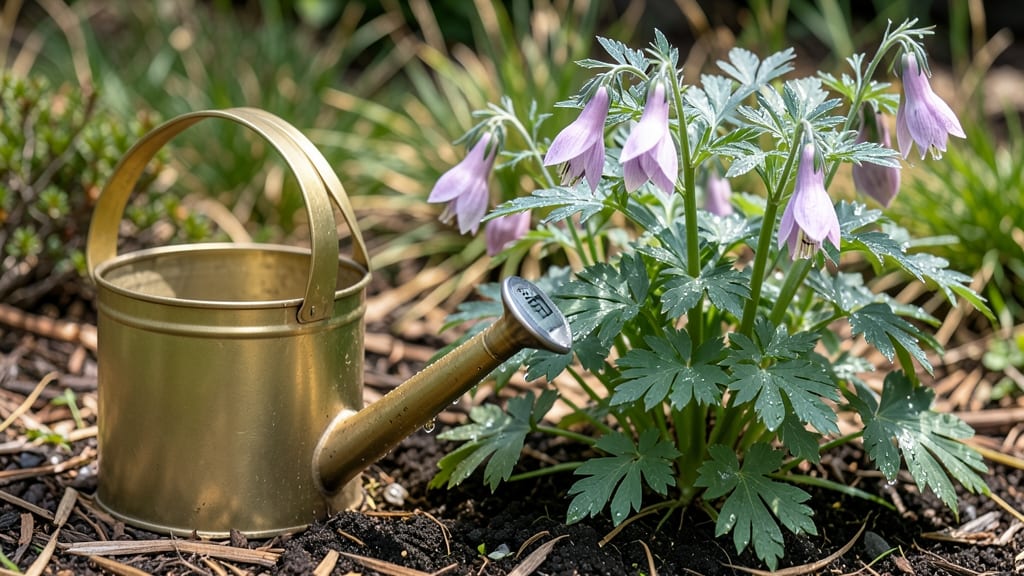
Mastering columbine water requirements is the key to those vibrant blooms that return year after year—without fuss or guesswork.
Struggling to keep your columbine thriving? Too much water drowns the roots, while too little leaves your 🌸 flowers limp and sparse. The secret isn’t complicated: it’s about reading the soil, not the calendar.
Columbine plants in USDA Zone 6a prefer soil that’s moist but never soggy. A simple finger test—stick your hand 1-2 inches deep—tells you exactly when to water, cutting down on wasted effort and root rot.
Below, I’ll walk you through the soil dry test method, seasonal tweaks, and the one mulching trick that keeps your columbine blooming like clockwork—even in dry spells.
How often to water columbine: the soil dry test method for perfect blooms
Columbine (Aquilegia spp.) thrives on consistent moisture but despises soggy roots—finding that balance ensures vibrant blooms year after year. Unlike drought-tolerant succulents, columbine roots need moderate moisture, especially during their active growing season (spring to early summer).
The key? A simple soil dry test that prevents both underwatering and overwatering, two common mistakes that stunt growth or invite root rot.
Most gardeners water based on schedules, but columbine responds better to soil conditions. Sandy soil drains quickly and needs frequent, shallow watering, while clay soil holds moisture longer and may only need watering every 10-14 days.
By mastering this soil dry test, you’ll give your columbine the perfect hydration—without guesswork or wasted water.
Why this method works: Columbine roots grow 1-2 inches deep in well-draining soil. Checking moisture at this depth tells you exactly when to water, preventing stress signals like drooping leaves or yellowing foliage. This approach cuts watering time in half while maximizing bloom production.
Step-by-Step Soil Dry Test for Columbine
- Step 1: Wait until morning (after sunrise) when soil is cool. Avoid testing after rain or watering.
- Step 2: Insert a clean finger or soil probe 1-2 inches deep near the plant’s base (but not touching stems).
-
Step 3: Assess moisture:
- Dry: Water immediately if soil feels powdery or crumbly.
- Moist: Wait 1-2 more days before testing again.
- Wet: Skip watering to prevent root rot.
- Step 4: Water deeply (1 inch of water) at the soil line, avoiding leaves to reduce fungal risks. Use a soaker hose or drip irrigation for even distribution.
-
Step 5: Adjust frequency by soil type:
- Sandy soil: Test daily; water every 5-7 days.
- Loamy soil: Test every 3-4 days; water weekly.
- Clay soil: Test every 5-7 days; water every 10-14 days.
Seasonal adjustments are critical for columbine. In spring, when new growth emerges, aim for weekly watering—this is when your plant needs the most moisture to support flower buds.
By summer, established columbine become drought-tolerant and may only need watering every 10-14 days, especially in partial shade where evaporation slows.
Container-grown columbine dry out faster than in-ground plants. Check soil moisture every 3-4 days in pots, and water when the top ½ inch feels dry. A mulch layer (2-3 inches of shredded bark or straw) helps retain moisture and regulates soil temperature—critical for preventing heat stress in hot climates.
Watch for visual cues that indicate your watering routine needs tweaking. Wilting leaves or crispy edges signal underwatering, while yellowing foliage or mushy stems warn of overwatering. Columbine is forgiving, but root rot can kill plants quickly if soil stays waterlogged for more than 48 hours.
Always ensure pots have drainage holes and avoid saucers that trap excess water.
Pro tip: Group columbine with companion plants that share similar water needs, like foxglove or lungwort. This creates a microclimate where moisture levels stay consistent, reducing your workload. Pairing them with ground covers (like creeping thyme) also helps suppress weeds that compete for water.
For regional adjustments, gardeners in USDA Zones 3-5 (cold climates) can reduce winter watering to monthly once the ground freezes. In Zones 6-9, continue bi-weekly watering in fall to help roots establish before dormancy.
Always water early in the day to allow foliage to dry, preventing fungal diseases like powdery mildew.
Mastering the soil dry test transforms columbine care from a guessing game into a predictable routine. With this method, you’ll enjoy longer bloom seasons, healthier foliage, and plants that return year after year—proving that the right amount of water is the secret ingredient for columbine success. 🌸
Columbine water requirements by growth stage: seedlings to mature plants
Mastering columbine water requirements at each growth stage transforms your plants from struggling seedlings to vigorous perennials that return year after year. The key difference? Seedlings need consistent moisture, while mature plants develop surprising drought tolerance.
Let's break down exactly how to water each stage for optimal blooms and healthy foliage.
Newly planted columbine seedlings (first 30 days) demand daily moisture checks—think of them like thirsty babies. Their roots are tiny and can't reach deep water sources.
Overwatering here causes root rot, while underwatering stunts growth. Aim for 1-2 inches of water weekly, delivered in the morning to prevent fungal issues.
| Growth Stage | Water Frequency | Depth | Key Tips |
|---|---|---|---|
| Seedlings (0-30 days) | Daily (1-2 inches weekly) | Top 1-2 inches | Use drip irrigation or watering can; avoid wetting foliage |
| Establishing (30-90 days) | Every 2-3 days (1 inch weekly) | Top 2-3 inches | Reduce frequency as roots grow; mulch heavily (2-3 inches) |
| Mature (1+ years) | Every 7-14 days (0.5-1 inch) | Deep watering (4-6 inches) | Drought-tolerant after first year; water deeply but less often |
| Dormancy (Fall-Winter) | Monthly (if no rain) | Light surface water | Prevent soil heaving; water only to maintain slight moisture |
Once your columbine reaches maturity (typically after the first growing season), its water needs shift dramatically. Mature plants develop a deep root system that accesses moisture from lower soil layers.
Here, the soil dry test becomes your best tool: stick your finger 2-3 inches deep—if it feels dry, water deeply. This encourages roots to grow downward rather than staying shallow.
Container-grown columbine deserves special attention. Their root-bound conditions dry out faster than in-ground plants. Check soil moisture every 2-3 days during summer, using your finger as a gauge.
A pro tip: place a moisture meter in the pot to avoid guesswork. Remember, overwatering containers leads to root suffocation faster than in the ground.
After the first year, your columbine's drought tolerance improves significantly. Many gardeners report established plants surviving 3-4 weeks without rain in partial shade. However, first-year plants still need regular watering to establish roots.
The key is balancing moisture: deep but infrequent watering trains roots to seek water naturally, while shallow frequent watering keeps them dependent on surface moisture.
For year-round success, adjust your watering based on seasonal cues. In spring and fall, aim for 1 inch of water weekly—this supports new growth without overloading the soil.
During summer dormancy, reduce to every 10-14 days unless your region experiences extreme heat. Always water at soil level, not overhead, to prevent fungal diseases like powdery mildew.