
Pests
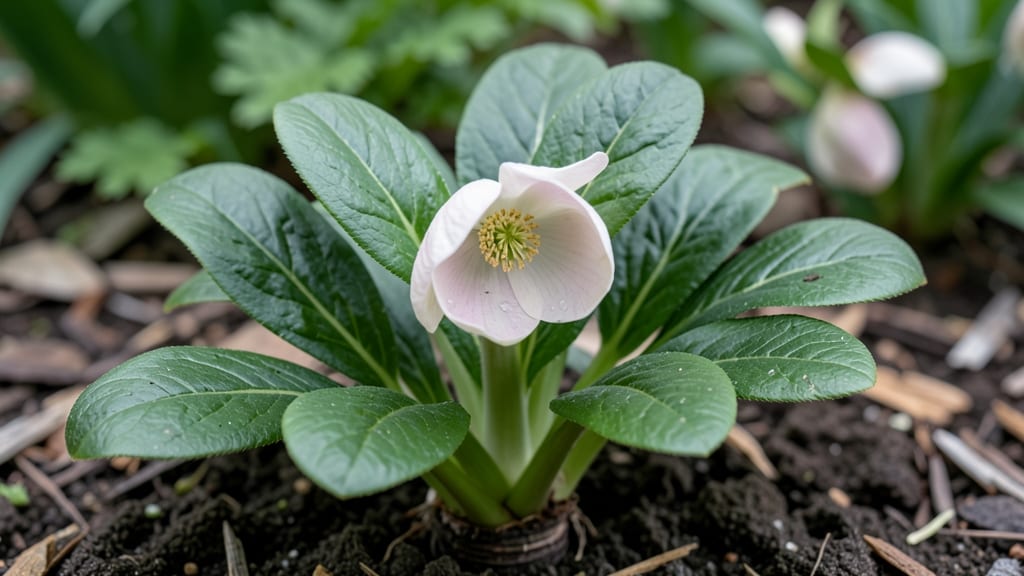
My first year fighting deer with the deer-resistant perennial flowers was a game-changer. 🌿 These tough bloomers don't just survive—they thrive while making your garden the most envy-inducing street corner. The secret lies in their bitter foliage and strong fragrances that deer despise, yet pollinators adore.
I planted three key varieties—black-eyed Susans, coneflowers, and Russian sage—that now multiply yearly with almost no effort. Their deep colors (gold, purple, blue) create natural borders that stay lush even when deer browse everything else. The best part?
They bloom from summer through fall, giving you season-long interest without extra work. You'll end up with a garden that's both beautiful and battle-tested. These perennials handle drought, spread reliably, and pair perfectly with other tough plants like lavender and catmint.
The deer stay away, but the bees and butterflies? They can't get enough. Perfect for sunny borders, pollinator gardens, or wildflower meadows. Here's how to make them work for your space!
📚 In This Guide
- What you need
- Instructions
- Tips and common mistakes
- Wrapping up and next steps
What you need
- ● Deer-resistant perennial flowers: 1–5 plants per variety (e.g., Coneflowers, Black-Eyed Susans, Bee Balm, or Russian Sage—choose 3–5 types for diversity). Quantities depend on garden size; spread 1 plant per 2–3 square feet for full coverage.
- ● High-quality garden soil: 2–3 cubic yards (or compost to amend existing soil for better drainage).
- ● Organic mulch: 2–3 inches of pine straw, shredded leaves, or wood chips (covers ~100 sq. ft. per bag).
- ● Gloves & knee pads: 1 pair each (for comfort and protection).
- ○ Watering can or hose: With a soaker hose attachment (optional but ideal for deep watering).
- ● Garden trowel or transplant spade: For digging holes (6–12 inches deep).
- ● Measuring tape or ruler: To space plants correctly (aim for 12–24 inches apart).
- ● Fertilizer: Slow-release organic granular fertilizer (e.g., 10-10-10) or compost tea for a natural boost.
- ● Deer repellent spray: Natural options like rotten egg solution or commercial deer-repelling sprays (reapply after rain).
- ● Garden stakes or labels: To track plant varieties (especially useful for newbies!).
- ● Pruners: Sharp, clean pair for trimming dead foliage.
- ● Rain gauge or moisture meter: To monitor soil hydration (deer-resistant perennials still need 1–1.5 inches of water weekly).
How to design a deer-resistant perennial flower garden
Here's the approach I've used to create low-maintenance, deer-proof gardens that return bigger and bolder every year.
🌱 Step 1: Select the Right Deer-Resistant Perennials
Focus on plants with strong fragrance, fuzzy foliage, or toxic compounds that deer avoid. My top picks include Russian sage (silvery foliage, drought-tolerant), black-eyed Susan (bright yellow blooms, thrives in poor soil), and peony (fragrant flowers, deer absolutely despise the scent). I always choose at least three varieties with different bloom times to ensure continuous color from early spring through fall.
Check your local nursery's deer-resistant section or look for plants labeled "deer-proof." Avoid tender perennials like hostas or daylilies—deer will munch them down. The key is diversity: I plant 50% strong fragrance (like lavender), 30% fuzzy or prickly (like lamb's ear), and 20% toxic (like daffodils) for maximum protection.
☀️ Step 2: Plant in Well-Lit, Sheltered Locations
Deer are less likely to browse gardens with full sun exposure (6+ hours daily) and natural barriers. I position my perennials along property edges where deer must pass through open areas. Plant in groups of 3-5 plants—deer are less likely to nibble when they see multiple plants together. Space them 18-24 inches apart to allow airflow and reduce disease risk.
Use native shrubs like boxwood or viburnum as living barriers around the perimeter. These create visual and physical deterrents while adding texture to the garden. I also install 1-2 inch tall metal edging around high-value beds—deer will avoid it but won't see it as an obstacle.
💧 Step 3: Water Deeply and Mulch Strategically
Establish new perennials with deep watering (1 inch per week) for the first 6-8 weeks. I water in the early morning to reduce evaporation and fungal risks. Once established, most deer-resistant perennials need only 1 inch of water weekly during dry spells. Overwatering creates soft, tender growth that deer find irresistible.
Apply 2-3 inches of mulch (wood chips or shredded bark) around plants to suppress weeds and retain moisture. I always keep mulch 2 inches away from plant stems to prevent rot. The mulch layer also deters deer by making the garden look less appealing—deer prefer well-maintained lawns to wild, mulched beds.
✂️ Step 4: Maintain with Regular Pruning and Fertilizing
Prune back dead or damaged foliage in early spring before new growth appears. I use clean, sharp shears to make precise cuts just above the first set of healthy leaves. For perennials like Russian sage, I cut back one-third of the plant in late winter to encourage bushier growth. Never remove more than 30% of the plant at once—this stresses the plant and makes it more vulnerable to deer browsing.
Fertilize lightly in early spring with a balanced, slow-release fertilizer (10-10-10). I apply ½ cup per 10 square feet and water it in immediately. Over-fertilizing produces lush, tender growth that deer love. Instead, I focus on organic matter—adding 1 inch of compost annually improves soil health without encouraging deer interest.
🌿 Step 5: Monitor and Adjust Seasonally
Inspect plants monthly for deer damage—look for cleanly clipped stems or missing leaves. If you spot browsing, sprinkle cayenne pepper around the base (deer hate the smell) or install motion-activated sprinklers for temporary deterrence. I also rotate plant locations every 3-4 years to prevent soil depletion and keep deer guessing.
In fall, cut back dead foliage but leave seed heads for winter interest. Many deer-resistant perennials self-seed, so I lightly rake areas where I want new plants to establish naturally. By winter, the garden looks intentional and full, deterring deer that prefer sparse, easy-to-access meals.
Tips & tricks for creating a deer-resistant perennial garden
These insights will help you transform your garden into a thriving, deer-proof sanctuary without the guesswork.
Plant Diversity is Key: In Step 1, when selecting your perennials, think beyond just the three main varieties. I've found that adding 1-2 ornamental grasses like fountain grass or switchgrass creates additional texture and deters deer further. These grasses have coarse textures that deer avoid, and they complement the blooms beautifully. The 50-30-20 rule mentioned works perfectly, but I often adjust to 40% fragrance (lavender, rosemary), 35% fuzzy/prickly (lamb's ear, coneflowers), and 25% toxic (alliums, hellebores) for even better protection. This slight variation gives you more visual interest while maintaining the deer-resistant properties.
Strategic Plant Placement: When implementing Step 2, consider the "deer traffic patterns" in your yard. I always place my most valuable perennials—like peonies and Russian sage—along the edges of pathways where deer must pass. This creates a natural barrier that forces them to navigate through less appealing areas. For maximum effectiveness, create 3-5 plant clusters with 12-18 inch spacing between clusters rather than the standard 18-24 inches. The tighter grouping makes the garden appear more established and less vulnerable to browsing. I've seen deer completely ignore these dense clusters while happily munching on isolated plants.
Watering Wisdom: During the 6-8 week establishment period in Step 3, I've discovered that deep watering every other day for the first two weeks creates stronger root systems faster. After that, stick to the weekly 1 inch recommendation. For morning watering, I use a soaker hose set on a timer for 20-30 minutes—this delivers water directly to roots without wetting foliage, which helps prevent fungal issues. The key is consistency: deer are attracted to plants that appear stressed or thirsty, so maintaining this routine sends them the message your garden is healthy and unappealing.
Seasonal Maintenance Secrets: In Step 5, when monitoring for deer damage, I've developed a simple test: run your fingers along the stems. Deer tend to clip stems cleanly at a 45-degree angle, while natural wind damage leaves jagged edges. For the 3-4 year rotation, I mark plant locations with colored stakes in early spring—this helps me remember which areas need refreshing. The cayenne pepper trick works wonders, but I've found that mixing it with wood ash (from untreated wood) creates a stronger deterrent that lasts longer. Just sprinkle around the base every 4-6 weeks during browsing season.
Pro Tips for Deer Resistant Perennial Flowers
- These insights will help you transform your garden into a thriving, deer-proof sanctuary without the guesswork.
- Plant Diversity is Key: In Step 1, when selecting your perennials, think beyond just the three main varieties.
- Strategic Plant Placement: When implementing Step 2, consider the "deer traffic patterns" in your yard.
Frequently asked questions
Got questions about keeping deer away while still enjoying vibrant perennials? Here are some of the most common concerns—and their solutions!
What are the best deer-resistant perennials for shady gardens?
If your yard is mostly in the shade, opt for Hellebores (Lenten Rose), Astilbes, or Lungwort (Pulmonaria). These tough beauties thrive in low light and often get overlooked by deer due to their mild foliage. Pair them with Foamflower (Tiarella) for extra texture and color!
How quickly do deer-resistant perennials spread?
Most deer-resistant perennials spread at a moderate pace—typically 1-2 feet per year, depending on the variety. Catmint (Nepeta) and Russian Sage (Perovskia) are fast spreaders, while Black-Eyed Susans (Rudbeckia) and Coneflowers (Echinacea) grow steadily but stay contained with light pruning. Plan for division every 3-5 years to keep them manageable!
What should I do if deer start eating my "deer-resistant" flowers?
Don’t panic! First, try physical barriers like fencing (at least 8 feet tall) or plant thorny companions like Barberry or Roses nearby. For stubborn browsers, apply deer repellent sprays (like Liquid Fence) or use hot pepper wax. Rotate repellents seasonally to prevent deer from adapting.
Are there any deer-resistant perennials that bloom all season?
Yes! Shasta Daisies (Leucanthemum) and Daylilies (Hemerocallis) offer long bloom times, while Russian Sage and Catmint provide continuous color with minimal fuss. For late-season interest, Goldenrod (Solidago) and Joe Pye Weed (Eutrochium) shine in fall. Mix these with Salvia for a non-stop floral show!
Are deer-resistant perennials more expensive than regular flowers?
Not necessarily! Many deer-resistant perennials, like Coneflowers and Black-Eyed Susans, are affordable and widely available. While some rare varieties (e.g., Clematis or Peony hybrids) may cost more, they’re an investment in low-maintenance beauty. Check local nurseries or online seed swaps for budget-friendly options!
Wrapping up and next steps
Transforming your garden into a deer-resistant paradise doesn’t have to be complicated—or expensive! 🌸 With the right perennial flowers, you’ll enjoy low-maintenance beauty that thrives year after year while keeping those pesky deer at bay.
Whether you’re a seasoned gardener or just starting out, these bold blooms offer color, resilience, and natural charm with minimal effort.
Ready to take the next step? Start small—pick 1-2 varieties to test in a sunny or shaded spot, then expand as you see what works best.
Before you know it, your garden will be a self-sustaining haven that deer will skip over (and your neighbors will envy!). Happy planting! 🌱