
Pests and Diseases
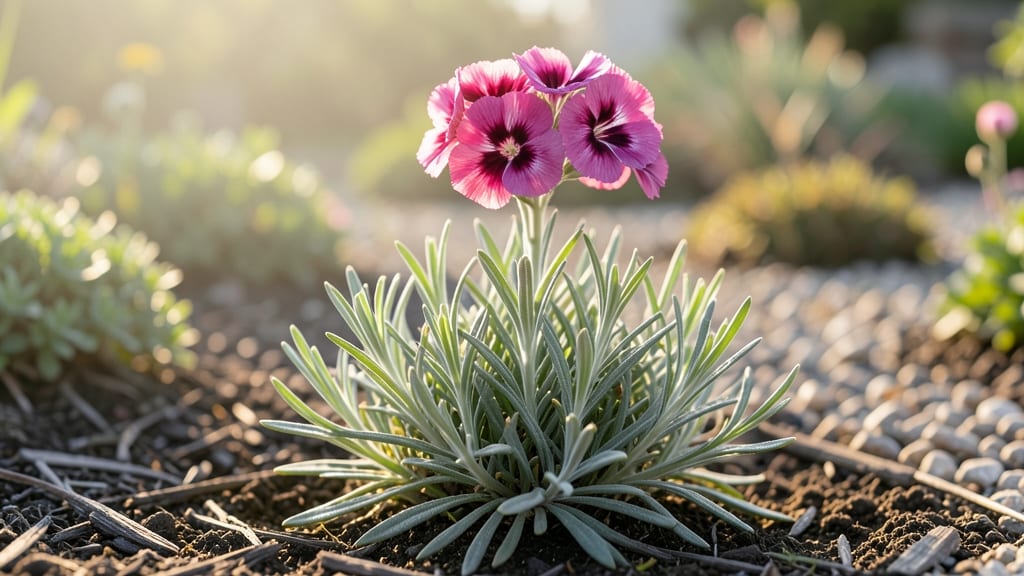
Dianthus is a perennial plant that returns year after year in most climates, though its growth pattern varies by species—some varieties die back completely in winter only to regrow vigorously from their roots in spring. Most thrive in USDA zones 3 through 9.
This hardy nature comes from dianthus's deep root system, which stores energy during dormancy periods. 🌱 The plants you see above ground are just the temporary "show" phase—what really matters is that those roots stay alive through winter's chill.
For example, 'Sweet William' varieties often look dead in winter but bounce back spectacularly in spring, while some alpine dianthus types may stay evergreen in milder climates. The key to their longevity is understanding each variety's specific needs and providing consistent care throughout the seasons.
What sets dianthus apart from annuals is this ability to regenerate from the same rootstock for 3-5 years or longer with proper maintenance. The plants that survive harsh winters typically do so because they've built up sufficient reserves during their growing season.
This makes them excellent choices for gardeners who want long-term color without annual replanting—just be prepared to give them the right conditions to thrive through their natural dormancy periods.
💡 In This Article
- Dianthus Perennial Lifespan and Cold Hardiness Zones
- Year-Round Care Tips to Extend Dianthus Perennial Growth
Dianthus perennial lifespan and cold hardiness zones
Dianthus plants earn their perennial reputation through a clever survival strategy: their root systems store carbohydrates and nutrients during active growth, which they tap into during dormancy. These roots can extend 6-12 inches deep, allowing them to access moisture and nutrients even when above-ground growth has stopped.
This underground network remains alive through winter's chill, ready to push new shoots when temperatures rise. The energy reserves built in summer are what enable dianthus to regenerate so vigorously in spring—some varieties can even produce flowers within just 6-8 weeks of breaking dormancy.
The cold hardiness of dianthus varies dramatically between species. For instance, 'Sweet William' (Dianthus barbatus) thrives in USDA zones 3-8, while alpine varieties like 'Dianthus alpinus' can handle zones 4-7.
The key difference lies in their natural habitats: lowland dianthus types evolved to withstand harsher winters, while alpine species adapted to cooler but less extreme conditions. What's fascinating is how these plants enter a state of dormancy when temperatures drop below 32°F, slowing metabolic processes to conserve energy.
This biological trick is what allows them to survive winters that would kill annuals.
What you see above ground in winter often tells you exactly what to expect in spring. Evergreen varieties like 'Dianthus gratianopolitanus' (Cheddar Pink) maintain their foliage year-round in milder zones (5-9), while deciduous types like 'Dianthus chinensis' may look completely dead but are actually just conserving energy until warmer weather.
The 3-5 year lifespan typical of many dianthus perennials comes from this balance between energy storage and seasonal dormancy—plants that don't get enough sunlight or nutrients during their growing season won't build sufficient reserves for winter survival.
Zone considerations go beyond just temperature tolerance. Humidity plays a crucial role too—dianthus in zones 8-9 often face different challenges like fungal diseases during wet winters, while those in zones 3-5 must contend with freeze-thaw cycles that can damage tender new growth.
This is why gardeners in transition zones (6-7) sometimes see more variability in winter survival. The plants that thrive in these areas typically have thicker root systems developed over multiple growing seasons, giving them that extra resilience against environmental stressors.
Consider how these survival mechanisms compare to other perennials. Unlike daylilies that store energy in thick rhizomes or peonies that develop massive underground crowns, dianthus relies on a fibrous root system that spreads widely rather than growing deep.
This makes them particularly sensitive to soil compaction—roots need good aeration to function properly. The trade-off is that their widespread root system allows them to recover quickly from damage, which is why even partially damaged dianthus plants often bounce back more robustly than other perennials with similar winter die-back patterns.
Understanding these biological adaptations helps explain why some dianthus varieties seem to "come back from the dead" each spring. The plants that look completely spent in winter are often just in their deepest state of dormancy, with roots still actively respiring at just 1-2% of their summer metabolic rate.
This is nature's way of ensuring survival—when spring arrives, those roots have the energy reserves needed to push through soil and send up new growth within weeks. 🌱