
Watering
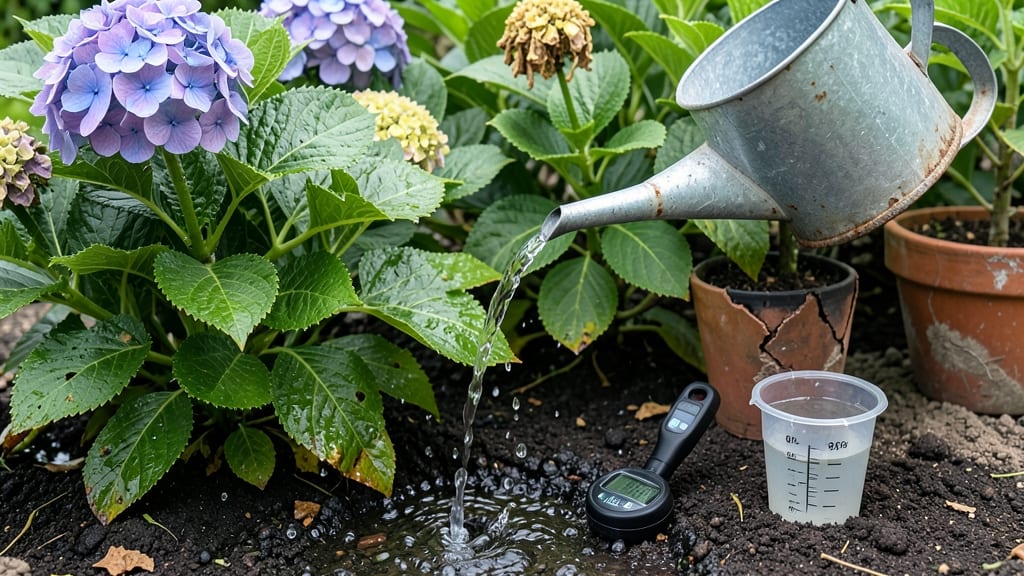
Do hydrangeas need a lot of water? The answer is more nuanced than you might think, as their moisture needs depend on soil, season, and your climate zone—not just a blanket rule of "a lot."
If you’ve ever wondered why your 🌸 hydrangeas wilt despite your best efforts—or why some gardeners swear by daily watering while others barely touch their plants—you’re not alone.
The truth is more nuanced than you think, and getting it right can mean the difference between vibrant blooms and sad, drooping leaves.
Most gardeners overestimate how much water hydrangeas truly need, especially in USDA Zone 6a where spring rains can make extra watering unnecessary. The key is deep, infrequent watering that keeps roots moist but never soggy, which is why checking soil moisture before watering is the most important step.
In this guide, I’ll break down exactly how often to water your hydrangeas by season, how to spot over- or under-watering, and the best techniques to keep your plants thriving without wasting a drop.
How much water hydrangeas actually need by season
Hydrangeas are often called thirsty plants, but the truth is more about consistent moisture than drowning them daily. These lush shrubs thrive when their roots stay evenly damp—not soggy, not bone-dry.
The key lies in understanding seasonal shifts in their hydration needs, which can vary dramatically from spring growth to winter dormancy. Without proper watering, you risk wilting blooms or even root rot, both of which can stifle your plant’s potential.
Your hydrangea’s water needs depend on three critical factors: the current season, your local climate zone, and the type of soil they’re planted in.
For example, a hot, dry summer in Arizona demands daily watering, while a cool, damp spring in the Pacific Northwest might only require weekly checks.
Even the mulch layer around your plant plays a role—thick mulch can reduce evaporation by up to 30%, cutting down on how often you need to water.
| Season | Watering Frequency | Depth per Watering | Soil Moisture Goal | Signs of Overwatering |
|---|---|---|---|---|
| Spring | Weekly (1-2x) | 6-8 inches deep | Evenly moist | Yellowing leaves, mold |
| Summer | Every 3-5 days | 8-10 inches deep | Consistently damp | Wilting despite water, root rot |
| Fall | Bi-weekly | 4-6 inches deep | Slightly dry topsoil | Premature leaf drop |
| Winter | Monthly (if no snow) | 2-3 inches deep | Minimal moisture | None (dormant phase) |
Let’s start with spring watering, when your hydrangeas are breaking dormancy and pushing out new growth. This is the time to establish deep roots, so aim for 1-2 waterings per week, soaking the soil to a depth of 6-8 inches.
Use your finger to test moisture—if the top 2 inches feel dry, it’s time to water. A simple trick is to stick a screwdriver into the soil; if it resists, your hydrangea needs a drink.
Overwatering in spring can lead to mushy stems or yellowing leaves, so always let excess water drain away.
When summer arrives, your hydrangea’s thirst increases as temperatures rise and evaporation speeds up. In most climates, you’ll need to water every 3-5 days, increasing to daily in extreme heat (90°F+). The goal is to keep the soil consistently damp, not soggy.
A drip irrigation system or soaker hose is ideal here—it delivers water slowly at the root zone, reducing runoff and fungal risks.
Watch for wilting leaves by midday, which is a classic sign your plant needs more water, but don’t confuse this with underwatering if the soil is already moist.
Fall is when hydrangeas slow their growth in preparation for winter, so you can reduce watering frequency to about every 2 weeks. The focus shifts from deep soaks to maintaining light moisture in the top 4-6 inches of soil.
This is also the perfect time to add mulch—a 3-inch layer of shredded bark or pine needles helps retain moisture and insulate roots. If you notice premature leaf drop, it’s often a sign of overwatering or poor drainage, so adjust accordingly.
Winter watering is minimal, but not zero. If your area gets little to no snow, give your hydrangeas a light drink once a month to prevent the soil from drying out completely. In snowy climates, natural moisture from snowmelt usually suffices.
The key is to avoid compacting soil around the base—snow shovels or heavy foot traffic can damage roots. If you’re in USDA Zone 7 or colder, your hydrangea will be
Common hydrangea watering mistakes and how to fix them
Hydrangeas often get labeled as "high-maintenance divas" when it comes to watering, but the truth is most problems stem from simple mistakes. I’ve seen gardeners drown their plants one day and then forget about them the next—both approaches lead to stressed shrubs with fewer blooms.
The key is consistency and understanding your plant’s hidden signals.
Overwatering is just as damaging as underwatering, yet I’ve watched hydrangeas suffer from both extremes. The good news? Most issues can be fixed with a few adjustments to your routine. Let’s tackle the top 5 watering mistakes and how to reverse them before your hydrangeas throw in the towel.
- 1
- 2
- 3
- 4
- 5
Problem: Skipping weeks or watering daily confuses your hydrangea’s roots. They need steady moisture but hate soggy soil.
Problem: Yellow leaves often mean overwatering, while crispy edges signal underwatering. Both are fixable!
Problem: Light sprinkles only wet the top inch of soil. Hydrangeas need 6-inch deep watering to reach their roots.
Problem: Wet foliage overnight invites fungal diseases. Always water in the early morning.
Problem: Without mulch, soil dries out faster. A 3-inch mulch layer locks in moisture and regulates temperature.
Let’s start with the easiest fix: deep watering. Most gardeners make the mistake of giving their hydrangeas a quick sprinkle, but these shrubs need water to penetrate at least 6 inches into the soil.
Use your finger to test—if the top 2 inches are dry, it’s time to water. For potted hydrangeas, wait until the top inch feels dry, but never let them sit in saucers of water.
Next, pay attention to your hydrangea’s leaf language. Yellow leaves often signal overwatering or poor drainage, while brown, crispy edges mean underwatering. If you see wilting in the heat of the day, it’s usually thirst—but if it persists into the evening, check for root rot.
Adjust your watering schedule based on these clues, and always water at the base of the plant to avoid wetting the foliage.
For a quick diagnostic, dig near the roots after watering. If the soil is soggy within 24 hours, you’re overdoing it. Hydrangeas prefer consistently moist but well-draining soil.
If your garden soil compacts easily, amend it with compost or perlite to improve drainage. This small change can prevent root rot and keep your hydrangeas thriving all season.
Finally, don’t forget the power of mulch. A 3-inch layer of organic mulch (like shredded bark or straw) acts like a natural moisture blanket, reducing evaporation and keeping roots cool. Replenish it annually, and you’ll spend less time watering and more time admiring those lush blooms.
With these fixes, your hydrangeas will reward you with vibrant blooms and fewer stress signals. The secret isn’t complicated—just consistent, deep watering with a little extra attention to soil and timing. Happy hydrangea keeping! 🌸