
Light Requirements
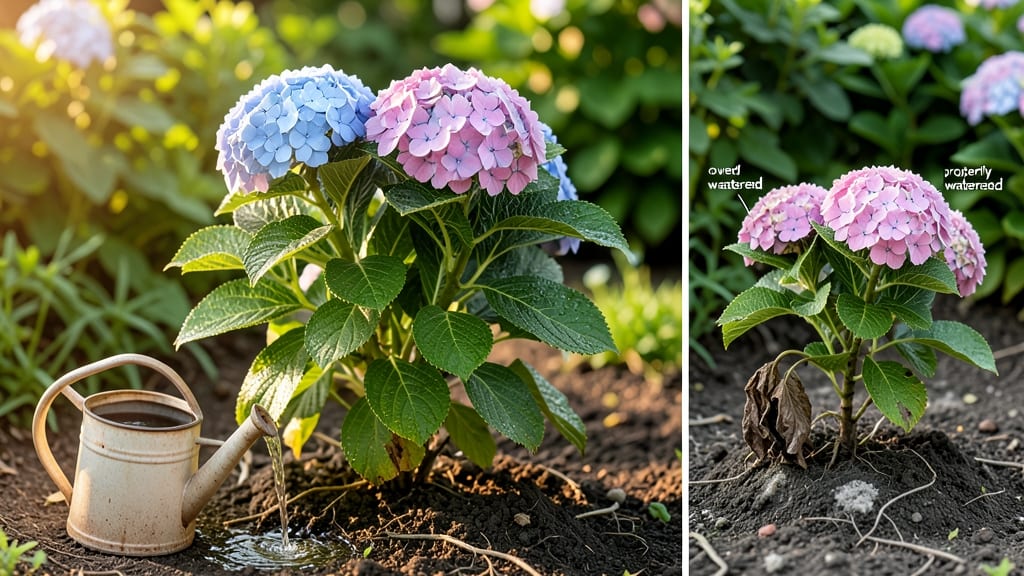
Do hydrangeas need water every day? The answer is a resounding no—these thirsty 🌸 shrubs actually need deep, infrequent soaks to thrive, not daily sips.
If you’ve ever watched your hydrangea leaves curl or buds drop before blooming, you’re not alone. The truth is, overwatering is just as deadly as underwatering, and most gardeners get it wrong by sticking to a rigid schedule.
The secret lies in reading your plant’s needs—soil type, weather, and even the season all play a role.
In Zone 6a, where spring planting is ideal, hydrangeas crave moisture but hate soggy roots. A deep watering every 3–5 days (more in summer heat) keeps them happy without drowning them. Below, I’ll break down the exact schedule, signs of stress, and how to adjust for your climate.
You’ll learn how to balance hydration for maximum blooms, spot overwatering before it’s too late, and choose the best watering method—whether you’re using drip irrigation or a simple hose. Let’s get those hydrangeas flourishing!
How often to water hydrangeas for maximum bloom production
Hydrangeas thrive on consistent moisture but despise soggy roots—so the question "do hydrangeas need water everyday" depends entirely on your climate, soil type, and season. Unlike drought-tolerant succulents, hydrangeas need deep, infrequent watering to encourage strong root growth and vibrant blooms.
Overwatering causes root rot, while underwatering leads to drooping leaves and bud drop, so finding the sweet spot is key.
Most gardeners make the mistake of assuming a one-size-fits-all watering schedule. In reality, your hydrangeas’ needs shift with temperature, humidity, and rainfall.
For example, a potted hydrangea in full sun during July may need daily watering, while an in-ground plant in shady, well-draining soil might only require water every 5-7 days. Let’s break down the science-backed schedule to keep your hydrangeas lush and blooming.
Here’s a quick reference for your watering routine, tailored to common growing conditions:
| Condition | Watering Frequency | Key Adjustments |
|---|---|---|
| In-Ground Hydrangeas (Well-Draining Soil) | Every 5-7 days | Water deeply (1-2 inches) |
| Potted Hydrangeas (Any Season) | Every 2-3 days | Check soil moisture daily |
| Summer Heatwave (Above 90°F) | Daily or every other day | Mulch to retain moisture |
| Spring/Fall Transition | Every 7-10 days | Reduce as rainfall increases |
| Winter Dormancy (Below 40°F) | Bi-weekly (light watering) | Avoid waterlogged soil |
| Clay Soil (Poor Drainage) | Every 7-10 days (shallow) | Avoid deep soaking |
| Sandy Soil (Fast Drainage) | Every 3-4 days (deep) | Mulch heavily to slow evaporation |
Your soil type is one of the biggest factors in determining watering frequency. Hydrangeas planted in sandy soil dry out faster and need more frequent, deep watering (1-2 inches per session), while clay soil holds moisture longer, requiring shallower, less frequent watering.
To test your soil’s drainage, dig a hole near your hydrangea, fill it with water, and time how long it takes to drain. If it takes more than 6 hours, you’ve got poor drainage and should water less often.
Seasonal shifts also demand adjustments. During summer’s peak heat, hydrangeas may need watering every 1-2 days, especially if they’re in full sun.
I once had a hydrangea in a south-facing pot that wilted dramatically by noon—adding a 2-inch layer of mulch and switching to morning watering saved it. In fall and winter, cut back to bi-weekly watering or only when the top 2 inches of soil feel dry.
One common myth is that hydrangeas need daily watering to produce big, showy blooms. In reality, deep, infrequent watering encourages roots to grow deeper, making your plant more resilient. Shallow watering leads to weak roots that can’t support heavy flower heads.
To water correctly, aim the hose or watering can at the base of the plant and let it soak for 10-15 minutes. Avoid wetting the leaves to prevent fungal diseases like powdery mildew, which thrives in damp foliage.
Your climate zone plays a huge role too. In humid regions like the Southeast U.S., hydrangeas may need less frequent watering because high humidity reduces evaporation. Meanwhile, in arid climates like Arizona, you might need to water daily during summer.
Pay attention to local weather forecasts—if a heatwave is predicted, increase watering temporarily. I’ve found that using a rain gauge helps track how much natural rainfall my hydrangeas receive, so I can adjust my watering schedule accordingly.
Pro tip: Morning watering is always best because it gives leaves time to dry before nightfall, reducing the risk of fungal infections. If you must water in the evening, do it at least 3 hours before sunset. I also recommend using a moisture meter for potted hydrange
Signs your hydrangeas are overwatered or underwatered (and how to fix it)
Hydrangeas are stunning shrubs that thrive with the right care, but water stress can quickly turn their vibrant blooms into a gardener's nightmare. Whether you're overwatering or underwatering, your plants will show clear signs—yellowing leaves, drooping stems, or even bud drop.
The key is learning to read your hydrangeas' signals and adjusting your watering routine before it's too late.
I've seen firsthand how consistent moisture (not soggy soil) is the secret to happy hydrangeas. These plants prefer their roots to stay evenly moist but well-drained—never waterlogged. The challenge? Many gardeners assume "every day" watering is best, but that's actually a common mistake that leads to root rot.
Let's break down what to watch for and how to fix it.
⚠️ Hydrangeas DON'T Need Daily Watering!
Myth: "Hydrangeas need water every day." Reality: Daily watering drowns roots! These shrubs prefer deep watering every 3-5 days (more in summer heat). Test soil: Stick your finger 2 inches down—if dry, water; if soggy, wait. Potted hydrangeas dry faster than in-ground plants.
One of the first overwatering signs is yellowing leaves that stay yellow even after watering. This happens when roots suffocate from too much moisture. Check the soil—if it smells sour or feels mushy, you're overdoing it. Wilting leaves that don't perk up after watering?
That's another red flag. The plant can't absorb nutrients when roots are waterlogged. I've revived many hydrangeas by letting the soil dry out slightly between waterings.
On the flip side, underwatered hydrangeas show crispy brown edges on leaves and drooping stems that don't bounce back. The buds may also fall off before opening.
If you're seeing these signs, water deeply until it runs out the drainage holes (for potted plants) or seeps into the soil below (for in-ground). Morning watering is best—it gives leaves time to dry before evening, preventing fungal issues.
For recovery, start with soil adjustment. Amend heavy clay soil with compost to improve drainage, or add perlite to potting mixes. If your hydrangeas are in containers, ensure they have drainage holes and use a well-draining potting mix.
Prune any mushy, blackened roots if overwatering was severe. For underwatered plants, focus on deep, infrequent watering—aim for 1-2 inches of water per week during growing season.
Remember, seasonal changes affect water needs too. In summer, you might need to water every 2-3 days during heatwaves, while winter often requires only bi-weekly watering. Mulching around the base helps retain moisture and regulate soil temperature—just keep mulch 2-3 inches away from the stem to prevent rot.
With these adjustments, your hydrangeas will bounce back and reward you with those show-stopping blooms all season long. 🌸