
Pests
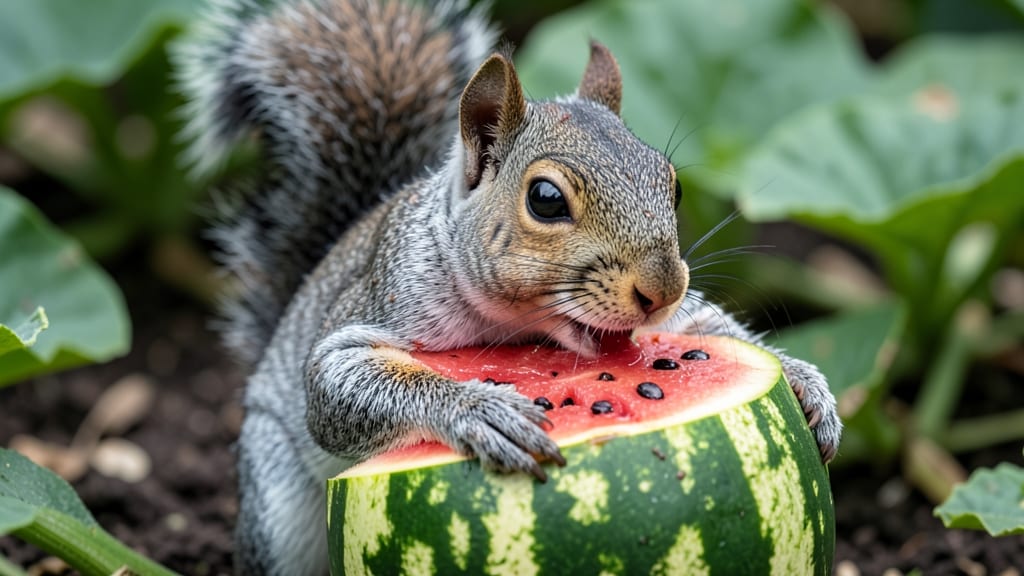
Squirrels do eat watermelon, especially the juicy flesh and seeds, though they prefer sweeter, ripe fruit. They’ll also gnaw rinds for moisture but rarely consume large amounts due to high water content.
Watermelon isn’t a top choice for squirrels, but they’ll happily snack on it when other options are scarce. 🌱 These busy foragers are drawn to the fruit’s high sugar content and the easy-to-access seeds, which provide quick energy.
The thick rind might seem tough, but squirrels will still gnaw at it for hydration—especially during dry spells. If you’ve noticed your watermelon patch getting raided, it’s likely because your garden lacks their preferred treats like nuts or berries.
What’s interesting is how squirrels approach watermelon differently than other garden pests. While rabbits might avoid the rind entirely, squirrels see it as a bonus water source.
Their foraging habits mean they’ll often return to the same spot if they find a reliable food source, so prevention is key if you’re growing watermelon for harvest.
💡 In This Article
- Why Squirrels Target Watermelon in Gardens
- Protecting Your Watermelon Patch from Squirrels
Why squirrels target watermelon in gardens
Squirrels are opportunistic foragers, and watermelon becomes a target because of its unique combination of sugar and moisture.
The fruit's flesh contains about 6-10% natural sugars, which provides a quick energy boost—similar to how they’d prefer sunflower seeds (about 50% fat) but settle for watermelon when other high-energy foods are scarce.
The seeds, which make up roughly 10% of the fruit's weight, are particularly appealing because they’re packed with protein and fats that squirrels need for survival.
The rind, though tough, isn’t completely off-limits. Squirrels will gnaw at it to access the moisture inside, especially during dry periods when water sources are limited.
This behavior is driven by their need to maintain hydration, as squirrels can lose up to 15% of their body weight in water daily through normal metabolic processes. Watermelon’s high water content (92%) makes it an attractive hydration source, even if they don’t consume large quantities.
What sets watermelon apart from other garden fruits is its texture and accessibility. Unlike hard-shelled nuts or fibrous vegetables, watermelon’s flesh is soft and easy to chew, requiring minimal effort to extract nutrients.
Squirrels also recognize that watermelon patches often yield multiple fruits, making it a reliable food source they’ll return to. In contrast, they’re less likely to target fruits like apples or pears, which have tougher skins and less immediate water access.
Seasonal availability plays a role too. During late summer and early fall—peak watermelon season—squirrels may prioritize it over other foods because it’s readily available in gardens.
This is when you’re most likely to see them digging into your harvest, especially if they’ve already established your garden as a reliable food source. Their foraging patterns mean they’ll often return to the same location if they find success there.
Another factor is scent. Watermelon’s sweet aroma acts as a natural attractant, signaling to squirrels that it’s a high-value food source. This is why you might notice them investigating your plants even before the fruit is fully ripe.
Their keen sense of smell helps them locate food from up to 100 feet away, making watermelon patches particularly vulnerable if left unprotected.
Consider this comparison: While squirrels might nibble on almost any garden fruit, they’re far more likely to target watermelon because it combines three key elements they seek—sugar for energy, water for hydration, and seeds for protein.
This trifecta makes it an ideal snack for them, even if they wouldn’t make it their primary food source if other options were available.