
Orchid Care
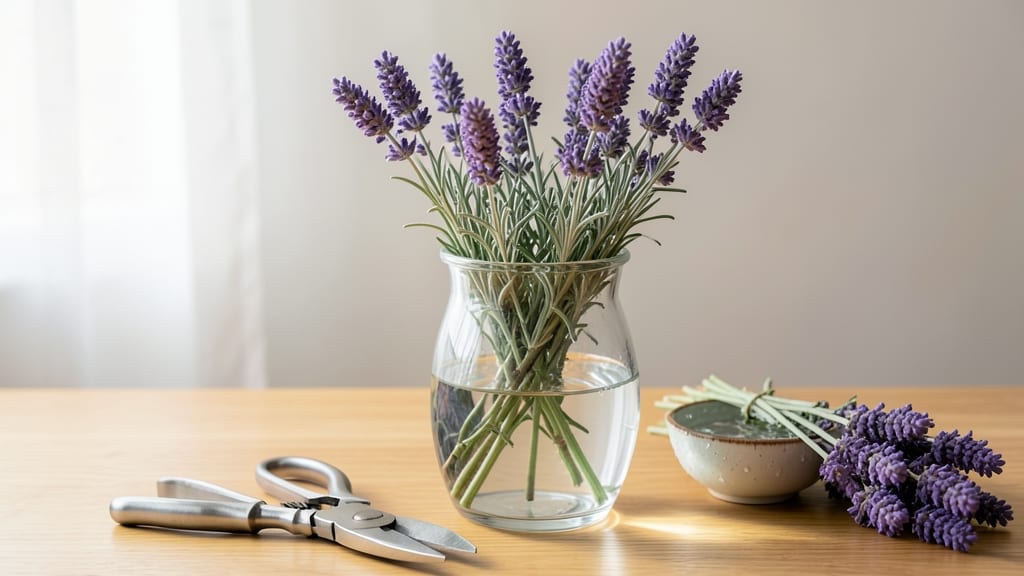
You shouldn’t put cut lavender in water because it releases bitter compounds that turn the water yellow and create an unpleasant taste, though culinary lavender varieties can be used sparingly in small infusions.
Fresh lavender stems contain natural oils like linalool and camphor that dissolve into water, creating a yellowish hue and a bitter aftertaste. 🌿 This chemical reaction happens almost immediately, making it unsafe for drinking or skincare.
The key difference? Dried lavender buds release these compounds more slowly, which is why they’re safe for teas or sachets—but even then, moderation is crucial.
For safe lavender water uses, try these alternatives: steep dried culinary lavender in warm water for 10 minutes (no more!) to make lavender tea, or use it in small amounts for homemade lavender water sprays. Always opt for food-grade lavender if you’re infusing liquids, and never leave it soaking overnight.
💡 In This Article
- Why Fresh Lavender Ruins Water: Chemical Breakdown
- Safe Alternatives for Lavender Water Infusions
Why fresh lavender ruins water: chemical breakdown
When you cut fresh lavender stems and submerge them in water, you're triggering a chemical reaction involving two key compounds: linalool and camphor. These essential oils, which give lavender its signature aroma, dissolve rapidly in water, creating that distinctive yellowish tint.
The process starts within 30 seconds of contact and intensifies over time, especially in warm water where solubility increases by up to 40%. 🔥 This isn't just about color—these compounds also release bitter phenolic compounds that dominate the flavor profile, making the water undrinkable.
The tannins in lavender play a secondary but equally important role. These natural plant chemicals bind with water molecules, creating astringent properties that dry out your mouth and leave a lingering bitterness. For comparison, imagine steeping black tea bags for 20 minutes—the result is similarly harsh and unpalatable.
The difference with lavender is that these compounds release 3-5x faster due to the plant's porous stem structure when freshly cut. This rapid leaching is why even small amounts can ruin water for drinking or skincare applications.
What most people don't realize is how this differs from dried lavender. When lavender buds are properly dried, their cell walls become more rigid, slowing the release of these compounds to a manageable rate.
This is why dried lavender works in teas or sachets—it releases aroma gradually over 5-10 minutes of steeping rather than instantly.
The key factor is surface area: a single dried bud has 10-15x less surface area exposed to water compared to a cut fresh stem, dramatically reducing the chemical reaction rate. 💛
For visual evidence, try this experiment: place a cut lavender stem in a clear glass of water and observe the color change within 1 minute. The water will develop a pale yellow hue that deepens to amber over 10 minutes.
This discoloration isn't just cosmetic—it indicates the presence of oxidized compounds that can irritate sensitive skin or digestive systems when consumed. The same reaction occurs with other fresh herbs like rosemary or thyme, but lavender's high essential oil content makes it particularly aggressive in water.
Temperature accelerates this process dramatically. At room temperature (70°F), the chemical reaction occurs at its baseline rate. But heat it to 140°F (like warm water), and the solubility of linalool increases by 60%, while the bitterness compounds become 2x more pronounced.
This is why hot water infusions with fresh lavender are particularly problematic—they create a harsh, medicinal-tasting liquid that's completely unsuitable for drinking or culinary use. The only exception is when using culinary-grade lavender specifically bred for food use, which has been bred to have 30-50% lower bitter compound concentrations.