
Watering
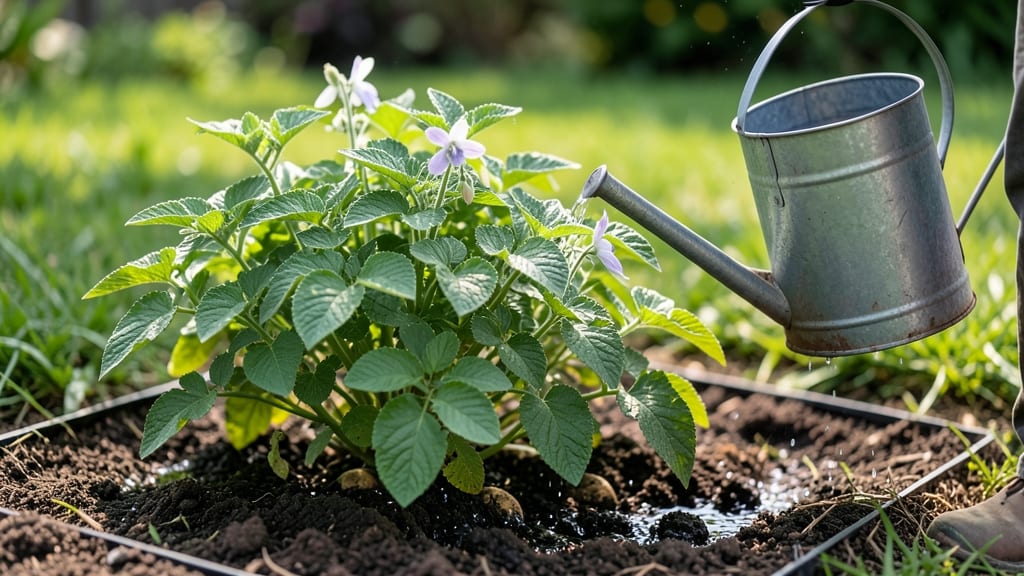
Watering potatoes right after planting is a common mistake that can rot your tubers before they even sprout.
You’ve just spent weeks prepping your seed potatoes and digging trenches, only to wonder: should I water them immediately? The answer isn’t what you’d expect—waiting just 72 hours makes all the difference. Too soon, and you risk drowning the cuttings; too late, and the soil dries out before roots establish.
This isn’t just about timing—it’s about soil moisture balance. Potatoes need consistent dampness, but not soggy conditions. I’ll walk you through the exact schedule, from the first critical week to when you can ease up as the plants mature.
By the end, you’ll know when to water, how much, and how to spot the early signs of over- or under-watering—so your 🥔 harvest starts strong and stays that way.
When to water potatoes after planting: the critical first 72 hours
Here's the truth most gardeners miss: watering potatoes immediately after planting can actually harm your crop. While it might seem logical to hydrate newly planted seed potatoes, the first 72 hours are critical for establishing proper soil contact and preventing rot.
The roots need time to initiate growth in the moist but not soggy environment below the soil surface.
Potatoes thrive when their tubers form in well-aerated soil. Immediate watering creates a waterlogged zone around the seed potato, which can lead to rot before sprouting. Instead, wait until the soil has settled and the plant has begun establishing its root system naturally.
This 3-day waiting period allows the potato to develop initial roots without the risk of suffocation.
| Timing | Action | Soil Condition | Risk |
|---|---|---|---|
| Day 0 (Planting) | Do NOT water | Dry but settled | Rot risk if soggy |
| Days 1-3 | Wait 72 hours | Moisture from natural rainfall or soil | None (optimal root start) |
| Day 4+ | Light watering | Top 2 inches dry | Drought stress if too dry |
| Week 2+ | Deep watering | 6-8 inches moist | Tuber formation stalls if dry |
The 72-hour rule isn't arbitrary—it's rooted in potato biology. During this period, the seed potato begins to sprout tiny root hairs that need oxygen to grow. If you water immediately, you create an anaerobic environment that suffocates these delicate roots.
Instead, let the soil's natural moisture (from recent planting) support the initial growth phase.
After those critical 3 days, check your soil moisture by inserting a finger 2 inches deep. If it feels dry, give a light watering—just enough to moisten the top 2 inches.
This encourages the plant to send roots downward where the tubers will form. Overwatering now can lead to fungal diseases like blight, which thrives in wet foliage.
Climate plays a huge role here. In humid regions (like the Southeast U.S.), you might not need to water at all during those first 3 days—natural moisture will suffice. But in dry climates (like the Southwest), you may need to lightly mist the soil on day 3 to prevent dehydration.
Always prioritize soil moisture over a strict schedule.
Here's how to test soil moisture properly: Use a soil moisture meter or the "squeeze test". Grab a handful of soil—if it crumbles easily, it's too dry.
If it sticks together like wet sand, it's perfect. Aim for soil that feels like a slightly damp sponge. This consistency triggers tuber formation while preventing rot.
One common mistake is assuming all potatoes need the same care. New potatoes (like 'Yukon Gold') and russet varieties respond differently to early moisture. New potatoes benefit from slightly moister soil during the first 4 weeks, while russets prefer drier conditions to prevent cracking. Always check your variety's specific needs.
If you're planting in containers, the rules change slightly. Potted potatoes dry out faster, so you can lightly water on day 3 to compensate. But never let the soil stay soggy—containers have poor drainage, increasing rot risk.
Use pots with drainage holes and a well-draining potting mix designed for vegetables.
Remember, the goal isn't just to keep the plant alive—it's to maximize tuber formation. The first 72 hours set the stage for whether your potatoes will grow large and healthy or struggle from the start.
By following this precise timing, you'll give your crop the best possible foundation for a bountiful harvest. 🥔
Post-planting watering schedule: how often and how much for maximum growth
Once your seed potatoes are planted, the real challenge begins: maintaining the perfect moisture balance. The first four weeks are critical for root establishment and tuber formation, but most gardeners either overcompensate with daily watering or let the soil dry out completely.
I’ve learned through trial and error that potatoes need a consistently moist environment—not soggy, not bone-dry—during this period.
Your watering approach should shift from shallow to deep as the plants mature. In the first two weeks, focus on keeping the top 2 inches of soil damp to encourage root growth.
After that, aim for deep watering—soaking the soil down to 6-8 inches—to support tuber development. The key is to mimic natural rainfall patterns without creating waterlogged conditions.
Container-grown potatoes dry out faster than in-ground plants, so adjust your schedule accordingly. If you’re growing in pots, check moisture daily by sticking your finger 1 inch deep—if it feels dry, water thoroughly.
For in-ground potatoes, a weekly deep soak is usually sufficient, but always adjust based on rainfall and soil type.
⚠️ Critical Warning: Overwatering at Planting
Watering potatoes immediately after planting can drown the cuttings and trigger rot before sprouting. The 3-day waiting period allows the soil to settle and the cuttings to callus over, reducing disease risk. If your soil is extremely dry, lightly water the area around the plants—but never directly over the seed potatoes.
💧 Pro Tip: Use a moisture meter or the "squeeze test" (grab a handful of soil—if it crumbles, it's dry; if it sticks, it's too wet).
Signs of overwatering include yellowing leaves, blackened stems, and a foul smell from the soil. If you notice these, reduce watering and improve drainage immediately. Underwatering shows up as wilted foliage, crispy leaf edges, and soil pulling away from the plant.
In both cases, adjust your schedule within 24 hours to prevent permanent damage.
By week 4, your potato plants should have 4-6 inch stems and visible tubers forming. At this stage, reduce frequency slightly but maintain deep watering—aim for 1-1.5 inches of water per week, delivered in the morning to prevent evening moisture that invites fungal diseases.
Mulch with straw or grass clippings to retain soil moisture and regulate temperature.
Remember, every garden is different. Factors like climate, soil type, and container size will influence your exact schedule. Keep a watering journal to track what works best for your setup—this will become your go-to guide for future potato seasons.