
Light Requirements
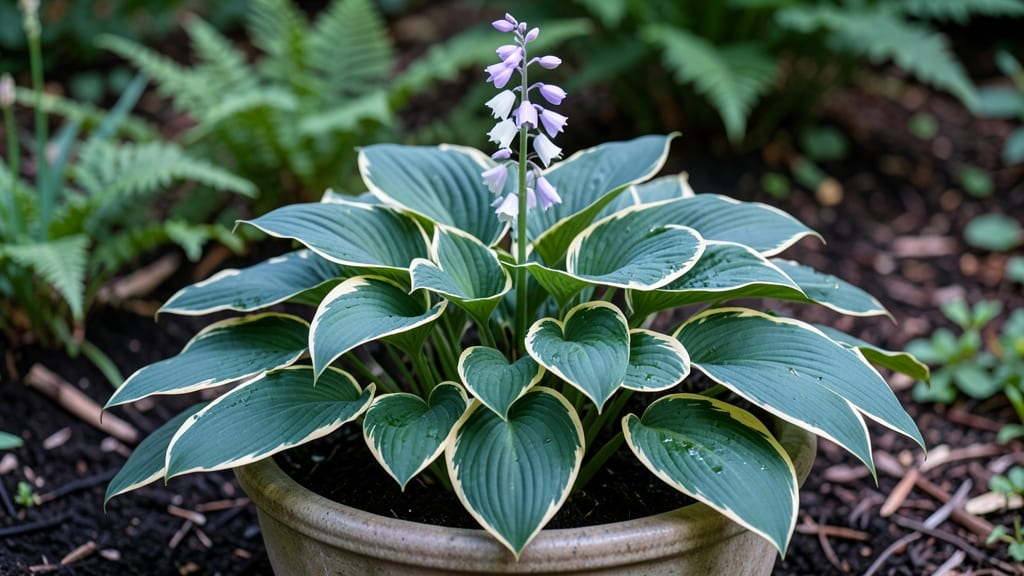
Full shade perennials transform dark corners into lush, vibrant spaces that never go out of style. 🌿 I’ve designed my own shade garden over the past five years, and the right plants make all the difference—think velvety foliage, delicate blooms, and foliage that stays striking even in winter.
The key is choosing perennials that thrive in less than 3 hours of sunlight daily while offering year-round texture and color shifts. My go-to combinations include Hosta for bold foliage, Astilbe for feathery plumes, and Heuchera for jewel-toned leaves—each playing a different role in the garden’s depth.
Layering plants by height (tall back, medium middle, low front) creates drama, while mixing evergreens with seasonal bloomers ensures your garden stays lively from spring through frost. The best part? These plants ask for almost no fuss once established.
By summer’s end, you’ll have a garden that feels like a secret sanctuary—soft to walk through, rich in color, and full of life even when the sun stays hidden. The wildlife loves them too, with bees and butterflies drawn to the flowers while birds nest in the dense foliage.
It’s the kind of garden that makes neighbors stop and ask, “What’s your secret?” Start small with just three plants—one for height, one for color, and one for texture—and watch how quickly the space transforms.
The magic happens in the details, like pairing the deep burgundy of Heuchera ‘Palace Purple’ with the silvery-blue of Lamium maculatum for a striking contrast that lasts all season. Let’s bring your shady spots to life!
📚 In This Guide
- What you need
- Instructions
- Tips and common mistakes
- Wrapping up and next steps
What you need
- ● Full shade perennials: Choose 5-10 varieties (e.g., Hosta, Heuchera, Astilbe, Ferns, Bleeding Heart). Plan for spacing (12–36" apart, depending on mature size).
- ● High-quality potting soil or amended garden soil: 2–3 cubic yards (for a 10’x10’ area). Mix with compost (20% by volume) for drainage and nutrients.
- ● Mulch (3–4 inches): Shredded bark, pine straw, or leaf mold to retain moisture and suppress weeds.
- ● Garden gloves & knee pads: Protect your hands and joints during planting.
- ● Hand trowel or transplant spade: For digging small holes (6" wide/deep for most perennials).
- ● Watering can or hose with a gentle spray nozzle: Full shade plants need consistent moisture—aim for 1–1.5 inches per week.
- ● Organic fertilizer (balanced or slow-release): 10-10-10 or 5-5-5 (apply once in early spring and again after flowering).
- ● Soil test kit: Check pH (ideal: 5.0–6.5 for most shade-lovers). Adjust with lime (to raise pH) or sulfur (to lower) if needed.
- ● Drip irrigation system: Automates watering and saves time—especially for larger gardens.
- ● Edging tools: Creates clean borders between your shade garden and lawn/pathways.
- ● Decorative stones or gravel: Adds texture and helps define planting areas.
- ● Plant labels & markers: Track varieties (especially useful for Hosta or Heuchera with similar foliage).
Step-by-Step guide to planting full shade perennials
Here’s how to create a vibrant, low-maintenance shade garden that thrives year-round.
🌱 Step 1: Choose the Right Perennials for Your Shade Level
Not all shade is equal—deep shade (less than 3 hours of light) and partial shade (3-6 hours) require different plants. For deep shade, go with hostas, ferns, and astilbes. In partial shade, heucheras, lungwort, and coral bells shine. I always check the plant tag for light requirements—some say "woodland garden," which means they love dappled light and deep shade.
For year-round color, mix spring bloomers (like bleeding heart or dutchman’s breeches) with summer foliage stars (like Japanese painted fern or foamflower) and winter interest plants (like helllebore or Christmas fern). This ensures your garden never looks bare. I like to sketch a rough layout first—plants with similar water needs grouped together saves time later.
🪴 Step 2: Prepare the Soil for Moisture-Loving Plants
Full shade perennials hate dry soil—amend your soil with 3-4 inches of organic matter (like compost or peat moss) to improve drainage and moisture retention. If your soil is heavy clay, mix in sand or perlite to loosen it. I dig a hole twice as wide as the root ball and slightly shallower—this encourages roots to spread outward instead of sitting too deep.
Add a slow-release fertilizer (like 5-10-5) to the bottom of the hole—this gives roots a nutrient boost without burning them. Water the hole deeply before planting to settle the soil. If your soil drains too fast (like sandy soil), mix in coco coir or peat moss to hold moisture longer. The goal is rich, moist, but well-draining soil—perennials in shade won’t forgive soggy roots.
☀️ Step 3: Plant with Proper Spacing and Mulch
Check the plant tag for mature width—this tells you how far apart to space them. Crowding leads to fungal diseases and weak growth. I like to plant in small clusters of 3-5 for a natural look, spacing them 12-24 inches apart depending on the variety. Dig the hole, place the plant so the top of the root ball is level with the soil, and backfill with native soil mixed with compost.
After planting, water deeply to eliminate air pockets. Then, apply 2-3 inches of mulch (like shredded bark or wood chips) to retain moisture, suppress weeds, and regulate soil temperature. Keep mulch 2 inches away from stems to prevent rot. I always water again after mulching to help it settle. This step is critical—mulch is the secret to low-maintenance shade gardens—it saves time and keeps plants happy.
💧 Step 4: Water Consistently and Adjust for Seasonal Needs
Shade perennials need consistent moisture, especially in the first year. Water deeply once a week (or more in hot, dry spells) until the soil is 6 inches deep and damp. You’ll know it’s right when the top inch feels slightly dry but the deeper soil stays moist. Overwatering in shade is a common mistake—soggy soil leads to root rot, so always check before watering.
Once established, most shade perennials are drought-tolerant, but foliage plants like hostas still appreciate regular watering. In winter, reduce watering unless your area has freeze-thaw cycles—this prevents soil heaving. I set a reminder on my phone for the first year to avoid forgetting, but after that, these plants are surprisingly self-sufficient.
✂️ Step 5: Prune and Maintain for Long-Term Health
Most shade perennials need minimal pruning, but timing matters. Deadhead spent blooms (like on astilbes or heucheras) in early summer to encourage more flowers. Cut back legacy foliage (like on helllebore or foamflower) in late winter or early spring before new growth appears. I always use clean, sharp shears to avoid tearing stems—this keeps plants looking tidy and healthy.
Divide crowded clumps (like hostas or ferns) every 3-4 years in early spring to keep them vigorous. Simply dig up the plant, separate the roots, and replant the best sections. This rejuvenates old plants and gives you free extra plants for friends or other spots in your garden. Fertilize lightly in spring with a balanced, slow-release fertilizer—shade plants don’t need much, but a little boost helps them thrive.
Tips & tricks for thriving shade perennials
These simple strategies will help you create a lush, low-maintenance shade garden that stays vibrant all year.
Plant Selection Matters: When choosing perennials for your shade level, consider the specific light conditions in your garden. For example, hostas and ferns thrive in deep shade (less than 3 hours of light), while heucheras and lungwort prefer partial shade (3-6 hours). I always check the plant tag for light requirements—this small step prevents disappointment later. If you’re unsure about your shade level, observe your garden throughout the day to see where the light falls.
Soil Prep Secret: The key to happy shade plants is soil that stays moist but never soggy. In Step 2, when you’re amending your soil with 3-4 inches of organic matter, consider adding a handful of worm castings (optional) to boost microbial activity. This helps roots establish faster and creates a healthier environment. If your soil is particularly heavy, mix in sand or perlite to improve drainage—this prevents waterlogged roots that can lead to rot.
Mulch Like a Pro: After planting, applying 2-3 inches of mulch is essential, but placement matters just as much as quantity. Keep mulch 2 inches away from plant stems to prevent moisture buildup that can cause rot. I often use shredded hardwood mulch because it breaks down slowly and improves soil structure over time. For extra weed suppression, consider adding a layer of cardboard (optional) underneath the mulch in high-weed areas—it’s a gardener’s secret weapon.
Watering Wisdom: In Step 4, when watering deeply once a week, use a moisture meter or your finger to check soil moisture. The top inch should feel slightly dry while the soil 6 inches deep remains damp. Overwatering is a common mistake in shade gardens—always check before watering to avoid soggy soil. For container plants, use self-watering pots with moisture sensors to maintain consistent moisture without guesswork.
Pro Tips for Full Shade Perennials
- These simple strategies will help you create a lush, low-maintenance shade garden that stays vibrant all year.
- Plant Selection Matters: When choosing perennials for your shade level, consider the specific light conditions in your garden.
- Soil Prep Secret: The key to happy shade plants is soil that stays moist but never soggy.
Frequently asked questions
What are the easiest full shade perennials for beginners?
Start with hardy, low-maintenance picks like Hostas (for foliage), Hellebores (spring blooms), or Astilbes (feathery plumes). These tolerate neglect, pests, and even occasional dry spells. Pro tip: Lungwort (Pulmonaria) is another winner—it blooms early and self-seeds gently!
When’s the best time to plant full shade perennials?
Plant in early spring or fall when soil is workable but not frozen. Avoid summer heatwaves, which stress roots. Evergreen perennials (like Fernwood Fern) can go in anytime, but bare-root plants need moist soil. Troubleshoot: If planting in summer, water deeply 2–3 times/week for the first month.
Do full shade perennials need extra watering?
Most thrive with 1–1.5 inches of water weekly, but mulch (2–3 inches of shredded bark) retains moisture. Drought-tolerant options like Coral Bells (Heuchera) or Japanese Painted Fern need less. Watch for: Wilting leaves (underwatering) or yellowing (overwatering). Adjust based on your climate!
Can I replace sun-loving perennials with shade-tolerant ones?
Yes! Swap sun-hungry plants (like lavender or daylilies) with shade-friendly alternatives:
- Sun: Black-eyed Susan → Shade: Bleeding Heart (Dicentra)
- Sun: Coneflower → Shade: Foxglove (Digitalis)
- Sun: Sedum → Shade: Sweet Woodruff (Galium odoratum)
How do I keep pests away from full shade perennials?
Slugs and snails love Hostas and Astilbes! Prevent with:
- Copper tape around pots or garden edges.
- Diatomaceous earth (food-grade) as a barrier.
- Handpick pests early in the morning.
Wrapping up and next steps
Transforming your shady garden into a vibrant, low-maintenance retreat is easier than you think! Full shade perennials like Hosta, Heuchera, and Astilbe bring year-round beauty with minimal effort—proving that even the darkest corners can bloom.
Whether you’re a seasoned gardener or just starting, these hardy plants offer color, texture, and resilience without the fuss.
Ready to dive in? Start small—pick 2-3 perennials that suit your space, then expand as you gain confidence. Grab your gloves, sketch a simple layout, and let nature do the rest! 🌿✨