
Advice
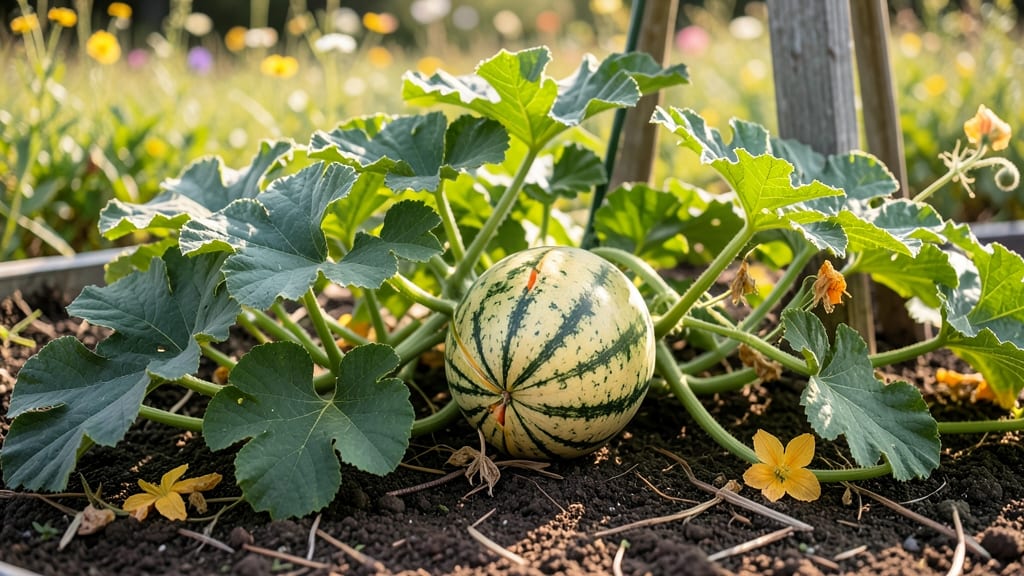
Spotting a watermelon with good ripeness signs at the peak of sweetness isn’t just luck—it’s a skill you can master with just a few simple tricks.
Picture this: you’re at the farmers’ market, staring at a pile of watermelons, wondering which one will actually taste like summer. The answer lies in the rind, the stem, and even the sound it makes when you tap it—details most people overlook.
In this guide, I’ll walk you through the 3 foolproof signs that guarantee a juicy, sweet watermelon every time, whether you’re picking from your garden or selecting at the store. No guesswork, just science-backed cues that cut through the confusion.
By the end, you’ll know exactly what to look (and listen) for, so you can skip the bland, watery disappointments and enjoy that perfect first bite every time.
3 Visual and physical signs of a ripe watermelon
Nothing beats the excitement of harvesting a perfectly ripe watermelon from your garden—or finding one at the market that’s bursting with sweetness. But how do you know when a watermelon is truly ready?
The answer lies in three expert-approved signs hidden in its rind texture, field spot color, and stem condition. These indicators guarantee a juicy, flavorful fruit without needing to cut it open.
Many gardeners rely on the old "thump test," but even that can be misleading. Instead, focus on the visual and tactile clues that reveal a watermelon’s true ripeness. The rind color, stem dryness, and field spot transformation are the most reliable signals.
Mastering these signs will save you from overripe or underripe melons and ensure you always pick the sweetest ones.
The rind texture is your first clue. A ripe watermelon’s skin should feel tough enough to resist your thumbnail when pressed. If it dents easily, the melon is underripe and lacks sweetness.
Conversely, if the rind feels spongy or overly soft, it may be overripe. Aim for a firm yet slightly yielding surface—like a ripe avocado’s skin.
Next, check the field spot, the area where the watermelon rested on the ground. This spot should turn from green to cream or yellow when fully ripe. A white or pale field spot means the melon isn’t ready yet, while a deep yellow or orange hue indicates peak ripeness.
This color change is nature’s way of signaling that the sugars have fully developed.
The stem condition is often overlooked but is one of the most reliable signs. A ripe watermelon’s stem should be dry, brown, and easily detachable from the fruit. If you gently tug and the stem snaps off cleanly, you’ve got a winner.
A green or moist stem means the melon is still growing and not ready for harvest. This simple check can save you from bitter disappointments!
Pro tip: Combine these signs for the best results. For example, a watermelon with a cream-colored field spot, hard rind, and dry stem is almost guaranteed to be sweet and juicy.
Even if you’re unsure, these visual cues will give you confidence in your selection—whether you’re harvesting from your garden or picking one up at the store.
Remember, size doesn’t always equal ripeness. Some watermelons stay small but become incredibly sweet, while others grow large but remain bland. Trust the visual and tactile clues over assumptions about size or weight. With these signs mastered, you’ll never second-guess a watermelon’s ripeness again.
Now that you know the secrets, head to your garden or the nearest market with confidence. The next time you pick up a watermelon, take a moment to check its rind, field spot, and stem. Your taste buds will thank you for the perfectly ripe, sweet harvest!
How to test watermelon ripeness without cutting it open
Choosing a ripe watermelon at the grocery store or picking one from your garden can feel like a guessing game—but it doesn’t have to be. With a few simple techniques, you can test for ripeness using just your hands, ears, and eyes.
The key is focusing on the field spot, rind texture, and sound when tapped. These methods work whether you’re shopping or harvesting from your own patch.
Start by examining the field spot, the area where the watermelon rested on the ground. A ripe watermelon’s field spot should turn from white or pale green to cream, yellow, or buttery beige.
This color change signals the fruit has fully matured and developed its sweetness. If the spot remains green, the melon is likely underripe and may lack flavor.
Step-by-Step Guide to Testing Watermelon Ripeness
-
1. Check the Field Spot
Look for a cream or yellow color where the melon touched the ground. Avoid green spots—this means it’s not ripe yet. -
2. Tap and Listen
Hold the watermelon with one hand and tap the side firmly with your other knuckles. A ripe melon produces a deep, hollow sound. A dull thud suggests it’s underripe or overripe. -
3. Test the Weight
Lift the watermelon—it should feel heavy for its size. This indicates high water content and sweetness. Light melons may be dry or underripe. -
4. Inspect the Stem
If the stem end is dry and brown, the melon is ripe. A green or moist stem means it’s still maturing. -
5. Press the Rind
Gently press your thumbnail into the rind. If it doesn’t dent, the melon is ripe. A soft spot means it’s overripe or mushy inside.
Don’t overlook the sound test, which is one of the most reliable tricks. When you tap a ripe watermelon, it should produce a deep, resonant thump. This sound indicates the flesh is juicy and fully developed.
If the melon sounds dull or flat, it’s either underripe or past its prime. Pro tip: Tap near the field spot for the most accurate reading.
For gardeners, timing is everything. If you’re harvesting from your own plants, wait until the tendril near the stem turns brown and dries out. This is your green light to pick.
At the store, combine the field spot, sound, and weight checks for the best results. These methods work 90% of the time, so you’ll rarely be disappointed.
Even with these tricks, a few melons might still surprise you. If you’re unsure, grab a second watermelon to compare—sometimes, one melon in a batch will be riper than the others.
And remember, larger isn’t always better. A medium-sized melon with all the right signs will often be sweeter than a giant one that’s still green inside.
Mastering these techniques ensures you’ll always bring home the sweetest, juiciest watermelon—no guesswork required. Next time you’re at the market or checking your garden, put these steps to the test and enjoy that perfect first bite! 🍉