
Blooming
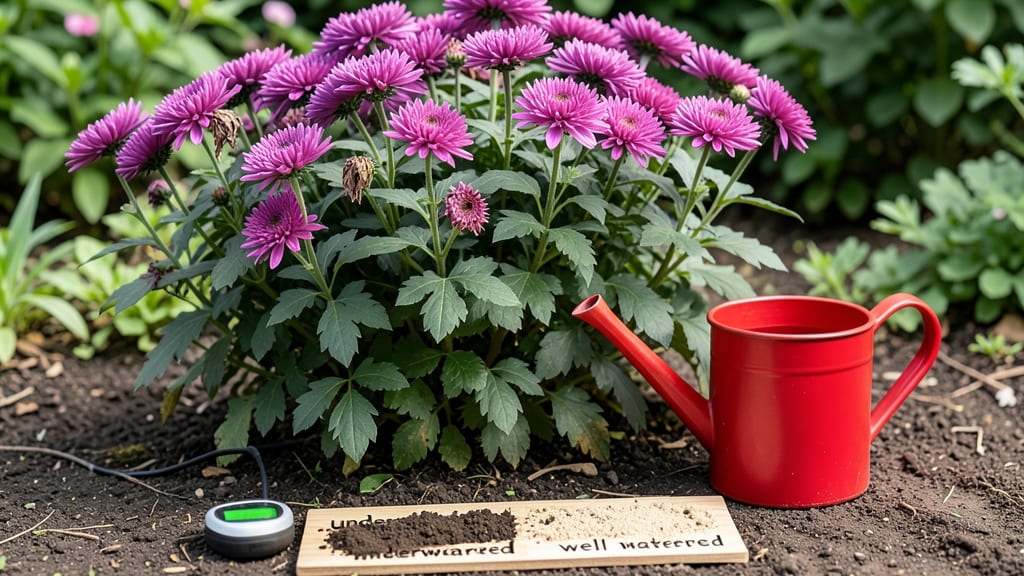
Mums can survive without water for 3-7 days—but how long depends on heat, soil, and whether they’re potted or planted in the ground.
Struggling to keep your 🌼 alive during a heatwave or busy travel schedule? These hardy plants can handle drought better than you think—but only if you know their limits and survival secrets.
In USDA Zone 6a, established mums planted in well-draining soil can stretch to 7+ days without water, while container-grown ones may wilt in just 3 days under summer sun.
Below, I’ll show you how to extend their drought tolerance, spot irreversible damage, and revive wilting plants—plus the 5 tricks that keep mums thriving even when you forget to water.
How long mums can survive without water: the exact timeline by conditions
If you're wondering how long your chrysanthemums (mums) can survive without water, the answer depends on several factors—including temperature, soil type, and whether they're potted or in-ground. These hardy plants are surprisingly resilient, but pushing their limits too far can lead to irreversible damage.
Let me break down the exact timeline so you can avoid stressing your mums during heatwaves or travel.
Mums are known for their drought tolerance, but their survival window varies dramatically. In moderate heat (70-85°F), they can typically last 3-5 days without water. However, in cooler climates (below 70°F) or during fall planting seasons, they may stretch to 7+ days before showing severe stress.
Understanding these thresholds is key to keeping your mums thriving.
Soil type plays a massive role in how long mums can go without water. Sandy soil drains quickly, forcing mums to drink up moisture faster, while clay or loamy soil retains water longer, extending their drought tolerance.
Even the pot size matters—container-grown mums dry out faster than those planted in the ground. Let’s dive into the specifics so you can adjust your watering schedule accordingly.
- Day 1-2: Mild wilting (leaves droop slightly but bounce back when watered). No permanent damage yet—just a sign they’re thirsty.
- Day 3-5: Moderate wilting (leaves curl or fold inward). Potted mums show stress faster than in-ground plants. Water deeply to revive.
- Day 6-7: Severe wilting (leaves turn yellow or brown at edges). Root systems start to shrink—immediate watering is critical to avoid irreversible damage.
- Day 8+: Permanent wilting (leaves crisp or stems become hollow). Over 7 days without water in hot conditions can kill mums, even if they recover temporarily.
- Soil Check: Stick your finger 1-2 inches deep. If dry, water immediately—sandy soil needs more frequent checks than clay soil.
One of the biggest mistakes gardeners make is assuming all wilting is reversible. Temporary wilting (days 1-5) is usually fixable with a deep watering, but permanent wilting (beyond day 7) often means the plant’s cells have collapsed.
Pay attention to the leaves’ texture: if they feel crispy or hollow when pressed, it’s a red flag. Reviving severely dehydrated mums requires more than just water—you’ll need to soak the roots and protect them from direct sun for a few days.
Did you know mulching can extend mums' drought tolerance by up to 30%? A 2-3 inch layer of organic mulch (like straw or shredded leaves) locks in moisture and regulates soil temperature. This is especially useful in sandy soil, where water evaporates quickly.
Even in-ground mums benefit from mulch, as it reduces the need for frequent watering during dry spells. If you’re planning to travel, mulching before you leave can buy your mums an extra 2-3 days of survival.
Climate also shifts the timeline dramatically. In cooler regions (USDA Zones 3-5), mums planted in early fall can survive 7-10 days without water due to lower evaporation rates.
Meanwhile, in hot, arid climates (Zones 7-10), their drought tolerance drops to 3-5 days—sometimes even less if they’re in full sun all day. Always adjust your expectations based on your local heat index and humidity levels.
Here’s a pro tip: Water deeply but infrequently to encourage strong root growth. Mums with deep roots are far more resilient to drought than those with shallow, weak roots.
Aim to water until the soil is moist 6 inches down—this ensures the roots have access to moisture even during dry periods. If you’re using drip irrigation or soaker hoses, set them to run for 15-20 minutes every 5-7 days to maintain consistent moisture levels.
If your mums are in containers, their survival time drops significantly because pots dry out faster. A 5-gallon pot may only give you 2-3 days of drought tolerance, while a 15-gallon container can stretch to 5-7 days.
To extend their survival, move potted mums to a shady spot during heatwaves and use self-watering pots if you’re away for more than a week. Grouping pots together also creates a microclimate that retains moisture longer.
Watch for these critical warning signs that your mums are in distress: yellowing leaves, drooping stems, or flower buds that fail to open. If you see these, act fast! Soak the soil thoroughly and place the plant in partial shade for 24-48 hours to help it recover.
In extreme cases, you might need to trim damaged foliage to redirect the plant’s energy toward root recovery. With the right care, even severely stressed mums can bounce back—just don’t wait too long!
Remember, prevention is key. If you know you’ll be away for more than a week, set up a DIY watering system or ask a neighbor to check on your plants. Mums are tough, but they’re not indestructible.
By understanding their drought tolerance limits and adjusting your care based on soil type, pot size, and climate, you’ll keep your garden blooming beautifully—even during the driest spells. 🌼
5 Proven drought-resistant tricks to extend mum survival beyond 7 days
Your chrysanthemums (mums) can stretch their survival past 7 days without water with the right techniques. The key lies in protecting their root zone and optimizing water retention. Even during heatwaves, these drought-tolerant flowers can bounce back if you act strategically.
First, focus on mulching—this simple trick can add 2-3 extra days of moisture retention. Use organic mulch like shredded leaves or straw, applied 2-3 inches thick around the base. This blocks evaporation while keeping roots cool.
Mums in clay pots dehydrate 30% faster than in-ground plants. Switch to terracotta or fabric pots to slow moisture loss.
Pro Tip: Water deeply once every 5 days instead of daily shallow watering—this encourages deep root growth.
Next, implement a strategic watering schedule. Water in the early morning (before 8 AM) to reduce evaporation and fungal risks. For container-grown mums, soak the soil until water runs out the drainage holes—this ensures roots get maximum hydration.
Protect the root zone by creating a DIY shade cloth using old bedsheets or burlap. Drape it lightly over plants during peak sun (11 AM–3 PM) to cut heat stress. Even 50% shade can extend survival by 2-4 days in extreme heat.
For severely dehydrated mums, revive them with a root soak. Place the pot in a shallow tray of water for 15-20 minutes to rehydrate roots. Trim any brown, crispy leaves to redirect energy to recovery. Most mums recover within 24-48 hours if roots are still intact.
Finally, group mums together to create a microclimate. Plants release moisture through transpiration, and clustered mums share this humidity. Add pebble trays under pots—fill a saucer with pebbles and water to increase local air moisture by 10-15%.
With these tricks, your mums can survive 10+ days without water—even during summer heat. Consistency is key: mulch, shade, and deep watering work together to keep roots happy and blooms vibrant. 🌼