
How To
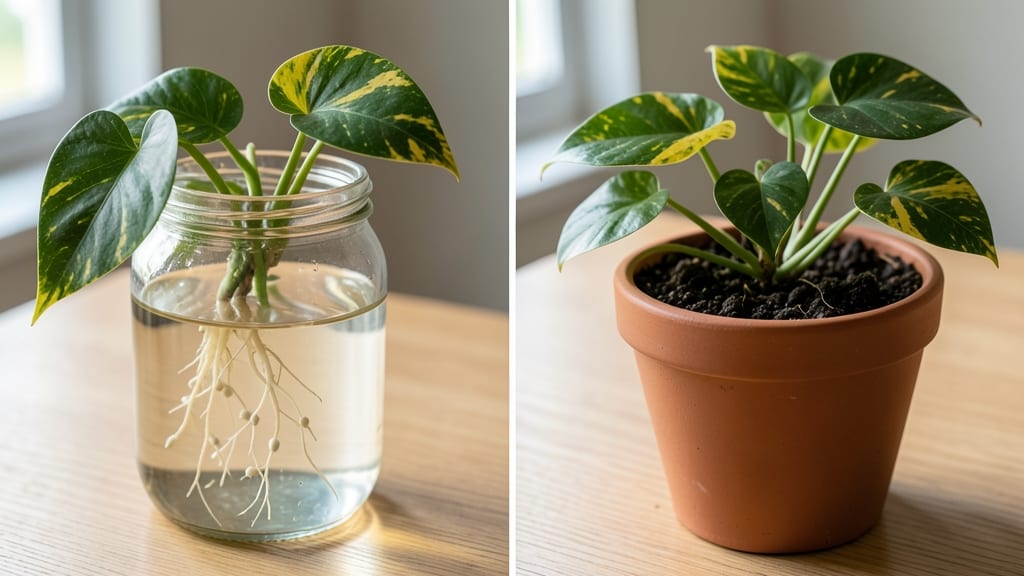
A pothos plant can live in water for years with the right care — often 2 to 5 years or longer if you monitor its health closely. 🌿
Struggling to keep your pothos plant alive in water? You’re not alone—many plant parents wonder how long these resilient vines can thrive without soil, and the answer might surprise you. While some assume water propagation is temporary, pothos roots adapt surprisingly well, turning glass jars into a low-maintenance home.
The key to extending its lifespan lies in water quality, container size, and root health. Stagnant water breeds bacteria, while cramped roots signal it’s time to upgrade. Yellowing leaves or stunted growth? Those are your cues to act before the vine weakens permanently.
Below, I’ll break down the exact timeline for water survival, critical signs to watch for, and step-by-step guidance for transitioning back to soil—so you can enjoy your pothos for years without the guesswork.
Pothos lifespan in water: the exact timeline you need to know
If you've ever propagated a pothos vine in water, you know how satisfying it is to watch those roots sprout within days. But how long can your Epipremnum aureum actually survive without soil?
The answer depends on several factors, but with proper care, your pothos can thrive in water for 1-3 years—sometimes even longer. The key lies in understanding each stage of its water-based lifecycle and recognizing when to transition back to soil.
Most pothos cuttings establish roots within 2-4 weeks in water, but their long-term survival hinges on more than just root growth. Factors like water quality, container size, and light exposure play critical roles in extending their lifespan.
Without these, even healthy-looking vines can decline after just 6-12 months. Let’s break down the exact timeline and what to expect at each stage.
During the root initiation phase, your pothos cutting will focus all its energy on developing roots. This stage is the most critical—if the water becomes stagnant or contaminated, your cutting may rot before roots even form.
I recommend using a small glass jar with 1-2 inches of water and changing it every 3-5 days to prevent bacterial growth. Place your jar near a bright, indirect light source to encourage rapid root development.
Once roots reach 1-2 inches in length, your pothos enters the establishment phase, which can last 3-6 months. Here, the plant begins producing new leaves and vines, but it’s still vulnerable.
This is when I start adding a balanced liquid fertilizer (like 10-10-10) once a month to replenish nutrients lost in water. If you notice yellowing leaves or slow growth, it’s a sign your pothos needs more nutrients or better light.
By 6-12 months, your pothos should be in its maturity phase, where it thrives with minimal intervention. At this stage, roots may fill 75% of the container, and new growth appears regularly.
This is also when I upgrade to a larger container—usually a 12-16 inch vase—to accommodate the expanding root system. If you don’t repot, you risk root-bound stress, which can shorten its lifespan by 6-12 months.
The decline phase typically begins after 18-24 months in water, marked by stunted growth and yellowing leaves. This happens because water lacks essential nutrients found in soil, like nitrogen and phosphorus. If you ignore these signs, your pothos may develop black, mushy roots from bacterial or fungal infections.
To extend its life, I suggest transitioning to soil or using a hydroponic nutrient solution to bridge the gap.
If you’ve had your pothos in water for 2+ years, it’s time for a critical transition. Repotting into well-draining potting mix can add another 2-5 years to its lifespan. Start by trimming any overgrown or mushy roots, then plant your pothos in a container
Critical factors that determine how long pothos survives in water
Your pothos plant can thrive in water for months to years, but its lifespan hinges on a few critical factors. From water quality to container choice, each element plays a role in whether your vine stays lush or starts to decline.
Let’s break down the key variables that determine how long your pothos can survive—and how to optimize them for maximum health.
First, water quality is non-negotiable. Tap water often contains chlorine or fluoride, which can harm your pothos over time. Opt for filtered or distilled water to avoid chemical buildup.
Additionally, stagnant water breeds bacteria and algae, so refreshing it every 1-2 weeks is essential. Neglecting this leads to root rot and yellowing leaves, cutting your pothos’s lifespan short.
| Factor | Pros | Cons |
|---|---|---|
| Water Quality | Prevents chemical buildup; keeps roots healthy | Tap water may contain harmful chlorine; requires frequent changes |
| Container Type | Glass jars allow root inspection; promotes aeration | Plastic containers trap heat; opaque containers hide root issues |
| Lighting Conditions | Bright indirect light boosts growth; prevents legginess | Low light causes weak stems; direct sun burns leaves |
| Nutrient Deficiencies | Water-only growth is possible; minimal maintenance | Lacks essential nutrients; slows growth over time |
Next, the container type matters more than you might think. Clear glass containers are ideal because they let you monitor root health and prevent overcrowding. Roots that fill the container within 6-12 months signal it’s time to repot.
Avoid plastic containers—they trap heat and limit airflow, accelerating root rot. If you choose an opaque container, check roots every 2-3 months to catch issues early.
Lighting is another game-changer. Pothos thrives in bright, indirect light, which fuels photosynthesis and keeps leaves vibrant. Place your plant near a north-facing window or under a grow light if natural light is limited.
Too little light causes leggy growth and pale leaves, while direct sun scorches the foliage. A well-lit pothos can live in water for 2+ years with minimal stress.
Finally, nutrient deficiencies creep in over time. Water alone lacks the nitrogen, phosphorus, and potassium pothos craves for robust growth. After 6-12 months in water, supplement with a balanced liquid fertilizer (diluted to half-strength) every 4-6 weeks.
Without nutrients, your pothos will grow slowly, develop yellow leaves, and weaken over time. Transitioning to soil can revive it, but nutrient-poor water cuts its lifespan significantly.
By mastering these four factors—water quality, container choice, lighting, and nutrient balance—you’ll extend your pothos’s water-based life well beyond the typical 1-2 year mark.
With the right care, some pothos plants thrive in water for 3+ years, proving they’re more resilient than you’d expect! 🪴