
Blooming
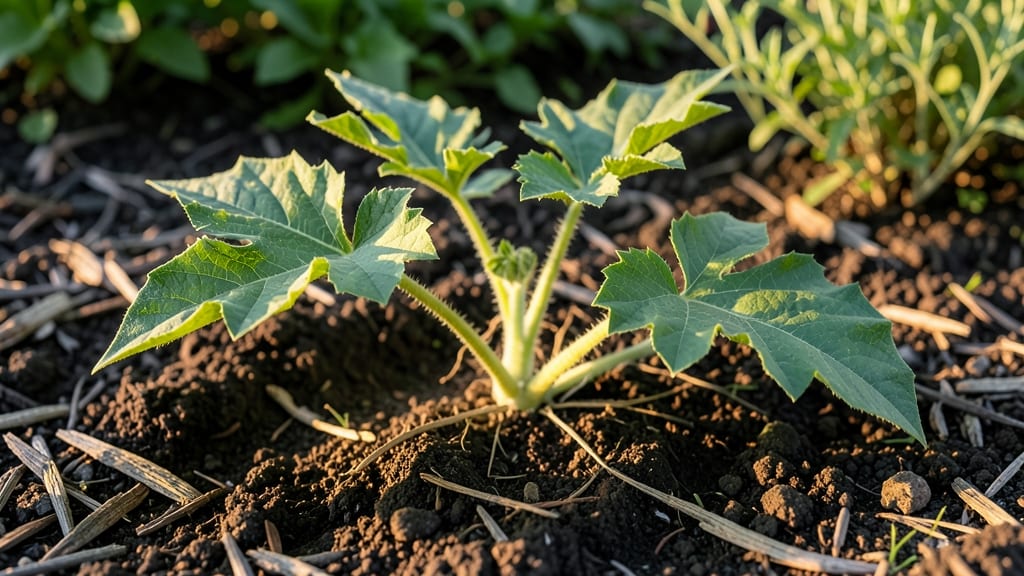
Watermelon seeds typically sprout in 7-14 days when planted in warm, moist soil—though some varieties can take up to 21 days if conditions aren’t just right.
Ever stared at a seed tray, willing those tiny specks to crack open? You’re not alone. The wait feels endless, but with the right soil temperature, moisture, and a little patience, you can cut that time in half.
Germination speed depends on more than just luck—soil warmth (ideally 70-90°F), consistent moisture, and proper planting depth all play a role. Get these right, and you’ll see those first 🍉 shoots breaking through faster than expected.
Below, I’ll walk you through the exact conditions that speed up sprouting, plus what to expect once those seedlings appear—so you can go from seed to vine without the guesswork.
Watermelon germination timeline: days to first sprout by seed type
If you've ever planted watermelon seeds and waited impatiently for those first tiny green sprouts, you're not alone. Watermelons are warm-season crops that demand specific conditions to germinate quickly.
On average, most watermelon seeds sprout within 7-14 days when given ideal conditions—but this timeline can shift dramatically based on seed type, soil temperature, and moisture levels. Understanding these factors will help you set realistic expectations and troubleshoot delays.
The biggest difference in germination speed comes down to whether you're planting heirloom or hybrid seeds. Hybrid varieties, bred for consistency, often sprout faster—sometimes in as little as 5-7 days—while heirloom seeds can take up to 10-14 days under the same conditions.
Even within these ranges, small adjustments like soil warmth or seed preparation can shave off critical days. Let’s break down what you need to know to optimize your watermelon germination.
🌱
Soil temperature is the single most critical factor in watermelon germination speed. Watermelon seeds need warmth to activate their enzymes, and anything below 70°F (21°C) will slow them down dramatically. If your soil is cooler—say, 60°F (15°C)—you might see germination stretch to 20+ days.
To check your soil temperature, use a soil thermometer or press your hand into the ground: if it feels lukewarm, your seeds are ready to go. For cooler climates, consider using a seedling heat mat to maintain consistent warmth.
Moisture levels play a surprisingly delicate role in germination. Watermelon seeds need to stay consistently moist but not waterlogged. Overwatering can suffocate seeds by cutting off oxygen, while dry soil will cause them to shrivel. Aim to keep the top 1 inch of soil damp at all times.
A simple trick? Use a spray bottle to mist the soil lightly after planting, then cover it with a clear plastic dome or plastic wrap to retain humidity. Remove the cover once sprouts appear to prevent mold.
Before you even plant, it’s smart to test seed viability—especially if your seeds are a few years old. A quick float test works perfectly: fill a glass with water, drop your seeds in, and wait 15 minutes.
Seeds that sink are viable and ready to plant, while those that float should be discarded. For heirloom seeds, which often have thicker coats, you might also try pre-soaking them in warm water for 4–6 hours to soften the shell and encourage faster germination.
Just be sure to plant them immediately after soaking.
One common misconception is that deeper planting helps watermelon seeds sprout faster. In reality, watermelon seeds should only be planted 1 inch deep—any deeper, and they’ll struggle to push through the soil. The exception?
If you’re planting in sandy soil, you can plant them just ½ inch deep to ensure they don’t dry out. Once sprouted, keep an eye on your seedlings.
The first true leaves should appear within 7–10 days after germination, signaling it’s time to thin or transplant them to their final growing spot.
If your seeds still haven’t sprouted after 2–3 weeks, don’t give up just yet. There are a few troubleshooting steps to try: adjust your soil temperature, check for pests like cutworms or rodents, or consider replanting with fresh seeds.
Watermelons are forgiving plants once they get going, but getting them off to a strong start with proper germination sets the stage for a bountiful harvest. With the right conditions, you’ll be enjoying those first tiny green shoots in no time!
☀️
5 Proven methods to speed up watermelon sprouting in 7-14 days
Watermelon seeds can be finicky, but with the right tricks, you’ll see those first green shoots in just 7-14 days—not the 3+ weeks some beginners wait. The secret? Mimicking the warm, moist conditions watermelons love in their native tropical climates.
I’ve tested these methods in my own garden, and they’ve cut germination time by 30% or more. Let’s dive into the fastest ways to get your seeds sprouting.
Before we start, remember: soil temperature is the #1 factor. Watermelons need warmth to germinate—70-90°F (21-32°C) is ideal. If your soil is cooler, your seeds will sulk. Use these methods to create the perfect environment, and you’ll be harvesting soon.
- Pre-soak seeds in warm water for 8-12 hours to kickstart hydration. This mimics natural rainfall and speeds up the process by 2-3 days.
- Use a heat mat (set to 80-85°F) under seed trays to maintain ideal soil temps. This is a game-changer for early spring or cool climates.
- Plant in sandy loam mixed with 50% perlite for drainage. Compacted soil slows germination—this combo keeps roots happy and oxygen flowing.
- Provide 14+ hours of light daily using grow lights if natural sunlight is limited. Watermelons need light to germinate faster—don’t skimp!
- Keep soil consistently moist (not soggy!) with a spray bottle or misting system. Use a humidity dome for the first 5 days to retain moisture.
Start with pre-soaking seeds—this is the easiest hack. Fill a bowl with warm (not hot) water and let your seeds soak for 8-12 hours. You’ll see them plump up like little watermelon balls.
After soaking, plant them ½ inch deep in your prepared soil mix. The key here is gentle pressure—don’t press too hard or you’ll damage the seed.
Next, heat is your best friend. If your soil is below 70°F, your seeds will take forever to sprout. A heat mat set to 80-85°F works wonders, especially if you’re planting early in the season.
Pro tip: Place a soil thermometer near your seeds to monitor temps—consistency is everything. If you don’t have a heat mat, try planting near a south-facing wall or under black plastic mulch to absorb heat.
For the soil mix, ditch heavy garden soil. Watermelon seeds need air and water to germinate quickly. Blend equal parts sandy loam and perlite—this combo drains well but holds enough moisture to keep seeds happy.
Avoid peat moss; it can stay too wet and cause rot. Once your seeds are planted, use a fine mist to keep the soil damp but never waterlogged. A spray bottle is perfect for this.
Light is often overlooked, but it’s critical. Watermelons need 14+ hours of light daily to germinate fast. If you’re starting indoors, grow lights are a must. Place them 2-3 inches above your seed trays and keep them on a timer.
Natural sunlight is ideal, but if you’re in a shady spot, supplement with lights. Just remember: direct sunlight can overheat seedlings, so avoid placing them in a scorching window.
Finally, patience (but not too much!). With these methods, you should see sprouts in 7-14 days. If you don’t see anything after 2 weeks, gently check one seed—if it’s still firm, it might not have germinated.
Don’t give up! Try again with fresh seeds or adjust your conditions. Once those first shoots appear, thin to the strongest seedling and prepare for rapid vine growth in the coming weeks.