
How To
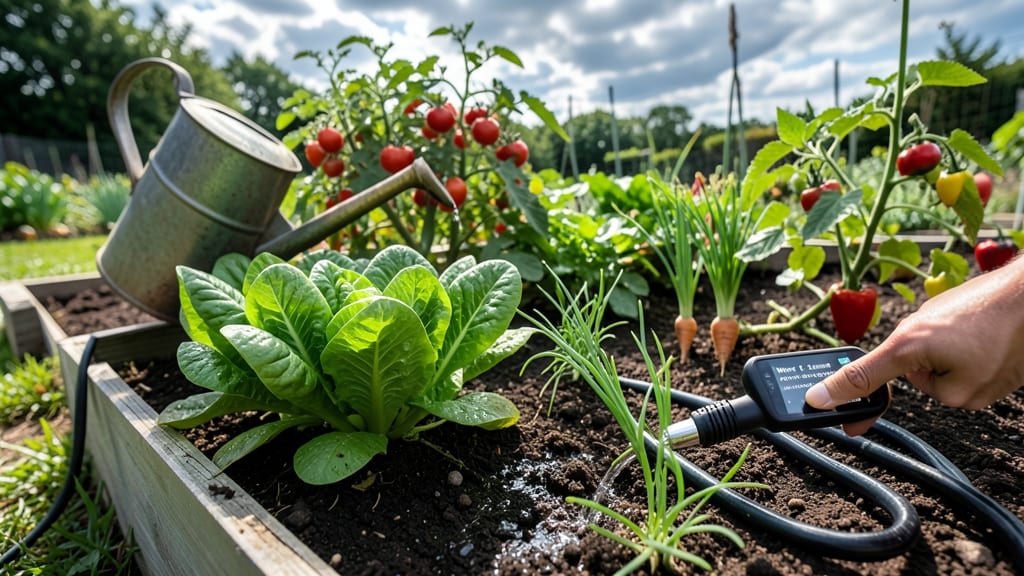
To water your vegetable garden properly, aim for 1 to 2 inches per week—but timing and technique matter just as much as the amount.
Overwatering or underwatering your 🥬 can mean the difference between a bountiful harvest and wasted seeds—yet most gardeners guess rather than measure. Discover the science-backed watering times that keep roots thriving and yields soaring, without a drop of waste.
Deep watering once or twice a week beats light, frequent sprinkles, which only encourage shallow roots and wasteful evaporation. The key is adjusting for your soil type—sandy soil drains fast, while clay holds moisture longer.
Below, I’ll break down how long to water based on your plants, soil, and weather, plus the easiest ways to test moisture without a fancy meter. Your garden’s future starts with the right rhythm.
The right watering duration by plant type & soil conditions
Watering your vegetable garden isn't a one-size-fits-all task—your leafy greens, root vegetables, and fruiting plants all have unique needs. Even the soil type (clay vs. sandy) changes how long you should water.
For example, lettuce and spinach prefer consistent moisture, while carrots and potatoes need deeper, less frequent watering to encourage root growth. Understanding these differences prevents wasted water and stunted plants.
Clay soil holds moisture like a sponge but drains poorly, requiring shorter watering sessions every 2-3 days. Sandy soil, on the other hand, drains quickly, demanding longer watering—sometimes up to 30 minutes—to reach deep roots.
The key is deep watering, which encourages roots to grow downward rather than staying shallow. This method also reduces runoff, ensuring every drop nourishes your plants.
Let’s break down the ideal watering duration for common vegetable types, adjusted for soil conditions. Use this as your guide to tailor your watering schedule and keep your garden thriving.
For leafy greens, shallow but frequent watering keeps the soil moist without drowning the plants. Aim for 10-30 minutes per session, depending on soil type, and water in the early morning to reduce evaporation and fungal risks. My spinach thrives with this routine, staying crisp and vibrant all season.
Root vegetables like carrots and potatoes need a different approach. Deep watering—15-45 minutes depending on soil—encourages roots to grow straight and avoid deformities. In sandy soil, you’ll need to water longer to ensure moisture reaches the root zone. A simple trick? Use a soil probe to check moisture levels 6 inches deep before watering again.
When it comes to fruiting plants, consistency is critical. Tomatoes and peppers hate moisture fluctuations, which can lead to blossom end rot or cracked fruit. Water for 20-60 minutes, depending on soil, and always water at the base of the plant to keep leaves dry.
This prevents fungal diseases like early blight, which can
How to test soil moisture like a pro (without a meter)
Skipping the soil moisture meter doesn’t mean you’re stuck guessing when to water your vegetable garden. With a few simple techniques, you can train your eyes and hands to read your soil’s thirst cues—just like a seasoned gardener.
The key lies in understanding soil texture, plant signals, and how weather patterns affect moisture levels. Let’s break it down into foolproof methods that work for every type of gardener.
Start with the finger test, the most reliable no-equipment method. Simply insert your index finger into the soil about 1-2 inches deep. If it feels dry at this level, it’s time to water.
For sandy soil, which drains quickly, check the top inch, while clay soil may stay damp deeper down. This tactile approach helps you calibrate your watering instincts over time, ensuring your roots get consistent hydration without waste.
- 1 Use the finger test: Insert finger 1-2 inches deep. Dry = water now.
- 2 Check plant wilting: Leafy greens droop by noon; tomatoes show crisp edges.
- 3 Observe soil color: Dark = moist; light gray/brown = dry. Adjust for rainfall.
- 4 Time watering by season: Summer needs daily deep watering; spring/fall may need every 2-3 days.
- 5 Group plants by water needs: Lettuce and radishes need frequent shallow water; squash thrives with deep, infrequent soaks.
Next, watch for plant-specific wilting cues. Leafy greens like lettuce and spinach often wilt by midday if thirsty, while tomatoes may develop crispy leaf edges or yellowing between veins.
Root vegetables like carrots and beets won’t show wilting until they’re severely stressed, so rely more on the finger test for these. Fruiting plants like peppers and cucumbers may drop flowers or fruit if underwatered—an early warning sign to adjust your schedule.
Don’t overlook the visual soil check. Healthy, moist soil appears dark and crumbly, while dry soil turns light gray or brown. After watering, dig a small hole near your plants to see how far down the moisture penetrates.
In sandy soil, water may disappear within hours, while clay soil holds moisture longer. Adjust your watering duration based on these observations—aim for 1-2 inches of water per week, delivered in deep sessions rather than light sprinkles.
Finally, let weather patterns guide your timing. On hot, windy days, increase watering frequency to prevent soil from drying out too quickly. After heavy rainfall, skip watering entirely and let the soil recharge.
In cooler months, reduce frequency but maintain depth to encourage root growth. By syncing your watering routine with nature’s rhythm, you’ll minimize waste and maximize root health—no meter required.
With these methods, you’ll soon develop an intuitive sense of when your vegetable garden needs hydration. Start today by testing your soil’s moisture level, and watch your plants thrive with the perfect balance of water—no guesswork involved. Happy gardening! 💧