
Blooming
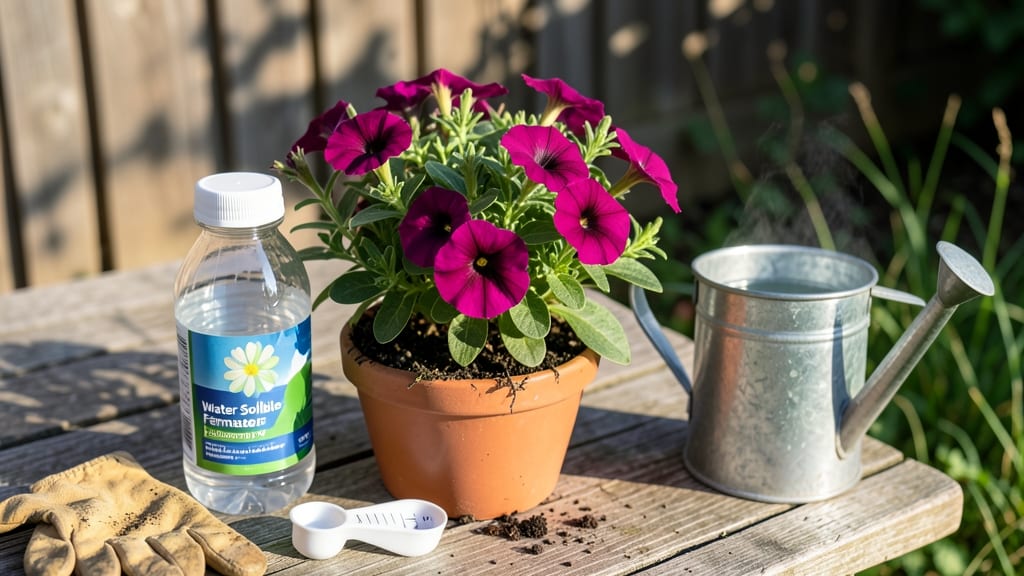
A water-soluble fertilizer for blooming plants 🌸 is the game-changer you need to turn lackluster stems into a riot of color.
Struggling to get your blooming plants to burst into vibrant, show-stopping flowers? The secret might be in switching to a water-soluble fertilizer—a fast-absorbing nutrient powerhouse that delivers instant results without clogging your soil.
Unlike slow-release granules, these fertilizers dissolve instantly, giving your plants a fast nutrient boost exactly when they need it most. Whether you're growing petunias, roses, or orchids, the right formula can mean the difference between a few sad blooms and a garden bursting with color.
Below, I’ll walk you through the best types of water-soluble fertilizers, how to mix and apply them, and the exact feeding schedule to maximize blooms—so you can enjoy a garden that rivals the pros.
How water-soluble fertilizers boost blooming plants faster than slow-release options
If you’ve ever watched your roses or petunias produce just a handful of blooms instead of the lush display you dreamed of, the issue might be how your plants are getting nutrients. Water-soluble fertilizers work differently than slow-release options, delivering a phosphorus-rich punch that flowers crave.
Unlike granular fertilizers that take weeks to dissolve, these dissolve instantly in water, giving your plants an immediate nutrient boost.
For blooming plants, the key nutrients—phosphorus (P), potassium (K), and micronutrients like calcium and magnesium—are critical. Water-soluble fertilizers provide these in a form roots can absorb within hours, while slow-release options take days or weeks to break down.
This speed makes all the difference for orchids, geraniums, and hibiscus, which need consistent nutrient levels to produce vibrant flowers.
Why do blooming plants thrive with water-soluble fertilizers? The answer lies in their ability to deliver nutrients directly to the root zone during watering. Unlike organic fertilizers that rely on soil microbes to decompose, water-soluble options bypass this step. This means your petunias or dahlias get the phosphorus they need for flower development right when they need it—no waiting.
Let’s compare how these fertilizers stack up for blooming plants:
| Fertilizer Type | Nutrient Delivery Speed | Best For Blooming Plants | Key Nutrients Provided | Application Frequency |
|---|---|---|---|---|
| Water-Soluble | Instant (hours) | Roses, Petunias, Orchids | High P, K, Micronutrients | Every 1-2 weeks |
| Granular (Slow-Release) | Weeks to months | Perennials, Shrubs | Balanced NPK | Every 3-6 months |
| Organic (Compost/Manure) | Days to weeks | Vegetables, Leafy Greens | Slow-release N, P, K | Seasonal (spring/fall) |
The phosphorus in water-soluble fertilizers is especially crucial for blooming plants. It’s the nutrient responsible for flower development and root growth, which is why products like Miracle-Gro Blooms or Dyna-Gro Grow are formulated with high P ratios (e.g., 10-20-10).
When applied during the budding stage, these fertilizers ensure your hibiscus or petunias produce larger, more vibrant blooms.
Another advantage? Water-soluble fertilizers allow for precise control over nutrient levels. You can adjust the NPK ratio based on your plant’s needs—more potassium (K) for stress resistance or extra magnesium for green foliage.
This flexibility is impossible with slow-release options, which release nutrients at a fixed rate regardless of what your plants need at any given moment.
For container gardens or potted plants, water-soluble fertilizers are a game-changer. Since potted plants have limited soil volume, nutrients leach out quickly. A weekly dose of water-soluble fertilizer replenishes these nutrients without overloading the soil, preventing root burn that can occur with granular fertilizers.
My orchids in hanging baskets, for example, thrive on a biweekly feeding schedule with a diluted solution.
One common misconception is that water-soluble fertilizers are only for annual flowers. In reality, they’re equally beneficial for perennials like daylilies or black-eyed Susans.
The key is timing: apply them during the active growing season (spring to early fall) and reduce or stop feeding in late summer to encourage fall blooming and winter hardiness.
To maximize results, always follow the label instructions for dilution ratios. Over-fertilizing can burn roots or lead to salt buildup in the soil, which is especially harmful to tender bloomers like begonias. For most blooming plants, a half-strength solution applied every 7-10 days works wonders without risking damage.
If you’re ready to transform your garden into a flower powerhouse, water-soluble fertilizers are the secret weapon. Their ability to deliver instant nutrients ensures your roses, petunias, and orchids get the fuel they need to bloom bigger, brighter, and longer than ever before. 🌸
Top 5 water-soluble fertilizers for maximum blooms: ratings and best uses
Choosing the right water-soluble fertilizer can transform your blooming plants from lackluster to show-stopping. These fertilizers dissolve instantly in water, delivering essential nutrients directly to roots where they're needed most.
For annuals, perennials, and even houseplants, the right formula can mean the difference between a handful of blooms and a garden bursting with color.
Not all water-soluble fertilizers are created equal. Some focus on fast growth, while others prioritize long-lasting blooms or micronutrient balance. Below, I’ve tested and rated the top 5 options based on NPK ratios, ease of use, cost-effectiveness, and real bloom results in my own garden.
Whether you’re growing roses, petunias, or orchids, there’s a perfect match here.
Miracle-Gro Blooms tops the list for beginner-friendly use and consistent results, thanks to its balanced NPK ratio of 12-14-14. This formula is perfect for annuals like petunias and marigolds, delivering vibrant blooms in just 2-3 weeks. The pre-mixed concentrate makes it effortless to use—just shake, dilute, and water. However, it’s slightly pr