
Light Requirements
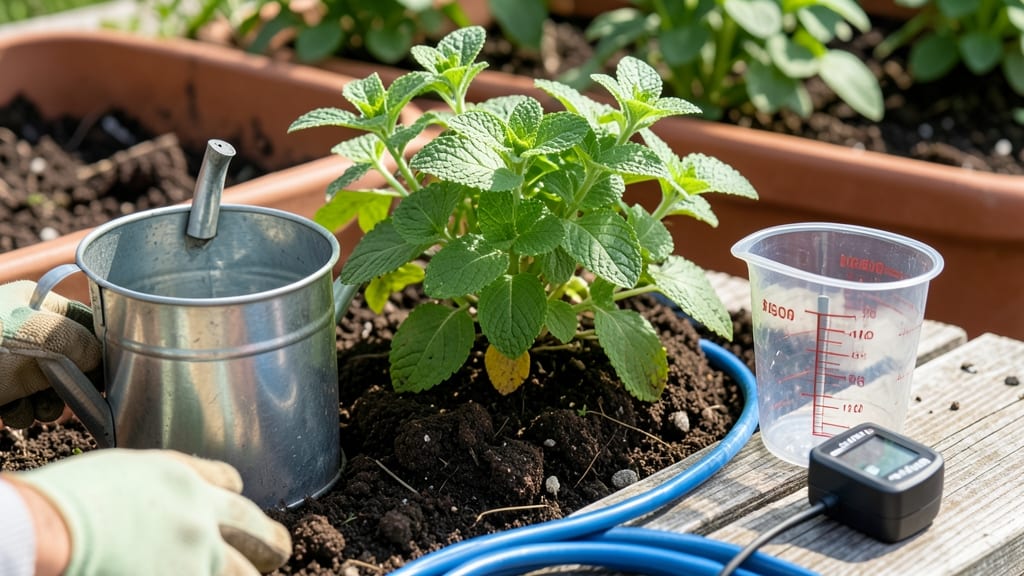
To water mint properly, aim for 1 cup every 3-5 days in well-draining soil—too much turns its roots soggy, while too little leaves it thirsty and stunted.
Picture this: your 🌿 mint thrives with the right balance, but overwatering is a sneaky killer. Yellow leaves? Mushy stems? Those are the early warnings most gardeners miss until it’s too late.
Mint in containers needs more frequent watering than ground-planted varieties, and summer heat demands daily checks. The key is keeping soil moist—not drenched—so roots stay happy without inviting mold.
Below, I’ll break down the exact schedule for your climate, how to spot overwatering before it’s fatal, and tricks to keep your mint lush without letting it take over the garden.
Mint watering schedule by climate: how often to water for optimal growth
Mint plants love moisture but hate soggy roots—a tricky balance most gardeners struggle to perfect. Understanding your USDA hardiness zone and seasonal temperature shifts transforms guesswork into a science-backed routine.
In Zone 5-7, where most home gardeners grow mint, watering needs shift dramatically from freezing winters to sweltering summers. The key is monitoring soil moisture rather than sticking to rigid schedules.
I’ve grown mint for years in both containers and in-ground beds, and the biggest mistake? Ignoring the soil type. Sandy soil drains too fast, while clay holds moisture like a sponge.
Even in the same climate, your mint’s water needs can differ based on whether it’s planted in well-amended garden soil or a terracotta pot. Let’s break down the science so you can water with confidence, not chaos.
🌿 Pro Tip: Always water mint in the morning to prevent fungal diseases. Evening watering leaves leaves damp overnight—a perfect breeding ground for powdery mildew. I’ve lost entire pots of mint to this silent killer, and it’s 100% preventable.
Your soil type is the silent game-changer. I once had two identical mint plants—one in loamy garden soil and one in a clay-heavy plot. The garden plant thrived on weekly watering, while the clay-bound plant wilted despite daily soakings.
To test your soil’s moisture retention, grab a handful and squeeze. If it crumbles easily, water. If it stays clumped, wait.
In containers, mint’s roots have nowhere to escape excess water. That’s why I swear by self-watering pots or containers with drainage holes larger than ¼ inch. Without them, roots suffocate in anaerobic conditions, turning brown and mushy.
I’ve salvaged many a drowned mint plant by repotting in fresh, perlite-amended soil and letting it dry out completely for a week.
Seasonal shifts demand flexibility. During summer heatwaves in Zone 6, I’ve seen mint leaves curl within hours of wilting—even with morning watering. The fix? Mulch with straw to lock in moisture and water deeply at soil level (not overhead) to encourage deep root growth.
Shallow watering only wets the top layer, forcing roots to stay near the surface where they bake.
Winter care is where most gardeners overcorrect. Mint in Zones 5-7 enters dormancy, but that doesn’t mean it’s drought-proof. A light bi-weekly watering prevents roots from drying out completely.
I mark my calendar for mid-winter (February) to resume regular watering as days lengthen. The goal? Keep soil slightly moist, not soggy.
For container gardeners, I recommend a moisture meter
Overwatering mint: 5 subtle signs your plant is drowning (and how to fix it)
Mint is a hardy herb, but even it can't handle soggy roots. When your mint plant gets too much water, it sends out subtle distress signals most gardeners overlook. The key is catching these early—before mold sets in or roots rot.
I’ve seen mint go from vibrant green to wilted in just 48 hours when overwatered, and I’ll show you how to reverse it.
One of the first signs is yellowing leaves that start at the bottom. Unlike nutrient deficiency, these leaves stay soft and mushy to the touch. Another red flag? A musty smell when you lift the pot or scratch the soil surface.
This isn’t just dampness—it’s a fungal warning. If you ignore it, your mint’s roots will suffocate, and the plant will collapse faster than you think.
⚠️ callout-warning ⚠️
- Potted mint: Water when top 1 inch of soil feels dry (test with your finger).
- Ground mint: Water 1-2 inches deep every 3-5 days (adjust for heat).
- Never let mint sit in saucers or soggy soil—drainage is non-negotiable.
Pro tip: Stick a chopstick in the soil. If it comes out clean, water again. If damp, wait.
If your mint’s stems feel squishy or pull apart easily, roots are already rotting. Check the soil—if it’s dark and clumps together when squeezed, it’s waterlogged. The fix? Stop watering immediately and let the soil dry out.
For potted mint, move it to a shady spot and empty any excess water from the saucer. If the roots smell foul, trim the blackened parts with sterilized scissors and repot in fresh, well-draining soil.
Another sneaky sign is slow growth despite regular watering. Healthy mint spreads aggressively, but overwatered plants put all their energy into surviving, not thriving. To revive it, improve drainage by mixing perlite or sand into the soil (20% mix works wonders).
For ground-planted mint, create a shallow trench around the base to redirect excess water away from the roots.
For severe cases, consider a root flush. Mix 1 part hydrogen peroxide (3%) with 9 parts water and pour it into the soil. This oxygenates the roots and kills harmful fungi.
Do this once, then switch to a watering schedule that mimics natural rainfall—deep soaks followed by drying periods. Over time, your mint will bounce back with stronger stems and glossier leaves.
Prevention is easier than recovery. Always water in the morning so excess moisture evaporates by night. Use a moisture meter if you’re unsure—it’s a game-changer for herbs like mint. And remember: yellow leaves ≠ thirsty plant. More often than not, they’re screaming for air, not water.