
Planting
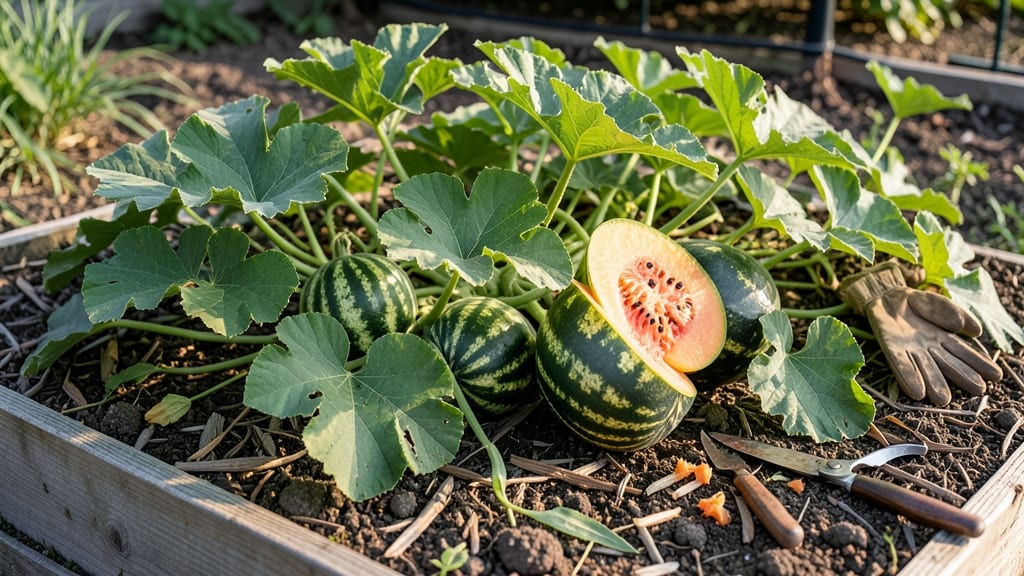
To determine how many watermelons per plant you can expect, know that a single watermelon plant typically produces 1 to 4 watermelons per season, depending on variety—smaller types like Sugar Baby yield 1-2, while larger heirlooms like Charleston Gray may produce 3-4. Proper spacing, sunlight, and soil quality directly impact fruit count and size.
A watermelon plant's output depends heavily on its genetic makeup and growing environment. 🌱 Smaller varieties like Sugar Baby or Mini Melons focus their energy on producing 1-2 fruits, while larger heirlooms like Charleston Gray or Moon and Stars can handle 3-4 melons per vine.
The key difference lies in their growth habits—bush types (like Crimson Sweet) produce fewer but larger fruits, while vining varieties spread out and yield more.
I've seen gardeners double their harvest by spacing plants properly (3-6 feet apart) and ensuring full sun exposure, which encourages vigorous vine growth and better fruit set.
Beyond variety, soil fertility plays a crucial role. Watermelons thrive in well-draining soil rich in potassium and phosphorus to support both vine growth and fruit development. 💫 Consistent watering—about 1-2 inches per week—helps maintain steady growth without stressing the plant.
Pruning excess vines can also redirect energy toward fruit production, though this technique works best with larger varieties. The bottom line? With the right conditions, even a single plant can surprise you with a bumper crop!
💡 In This Article
- Watermelon Varieties and Their Yield Potential
- Maximizing Watermelon Yield: Soil, Spacing, and Care Tips
Watermelon varieties and their yield potential
Watermelon yield varies dramatically by variety, with genetics dictating whether a plant produces 1-2 small fruits or 3-4 large heirlooms.
Mini varieties like Sugar Baby or Mini Melons prioritize rapid fruit production—each vine typically yields just 1-2 melons weighing 2-5 pounds—because their energy goes into quick maturation rather than vine expansion.
These compact plants thrive in containers or small gardens where space is limited. 🌱 In contrast, heirloom types like Charleston Gray or Moon and Stars develop sprawling vines that can support 3-4 melons each, with individual fruits weighing 15-25 pounds.
The growth habit matters just as much as size. Bush varieties (like Crimson Sweet) grow in compact mounds, producing 1-2 large fruits per plant because their limited vine length restricts fruit set. These plants require less space (3 feet apart) but sacrifice quantity for quality.
Vining types (such as Jubilee or Black Diamond) spread aggressively, allowing them to produce 2-4 melons by distributing energy across a larger root system. Seedless varieties like Sugarlee often yield fewer fruits (1-2 per vine) because their energy-intensive seed development process diverts resources away from additional fruit production.
Here's what you need to know about yield expectations by category:
- Mini varieties: 1-2 fruits (ideal for small gardens or containers)
- Slicing types: 2-3 fruits (balanced growth for home harvests)
- Heirlooms: 3-4 fruits (larger plants with higher yield potential)
- Seedless: 1-2 fruits (energy diverted to seedless development)
Color patterns also influence yield—striped varieties like Moon and Stars often produce slightly fewer fruits (2-3 per vine) because their complex genetics require more energy. The trade-off? These melons develop sweeter, denser flesh with longer shelf life.
For maximum quantity, stick with solid-colored slicing types like Crimson Sweet, which consistently deliver 2-3 melons per plant under optimal conditions. 💫
What most gardeners don't realize is that yield potential isn't fixed—it's a balance between plant energy and environmental conditions. A Sugar Baby plant might produce only 1 melon in poor soil but 2-3 with proper fertilization and spacing.
The key is matching variety to your growing conditions rather than assuming yield numbers from seed packets, which often represent ideal scenarios.